




Easy Grip Tailor Scissors: How to Choose Precision and Comfort
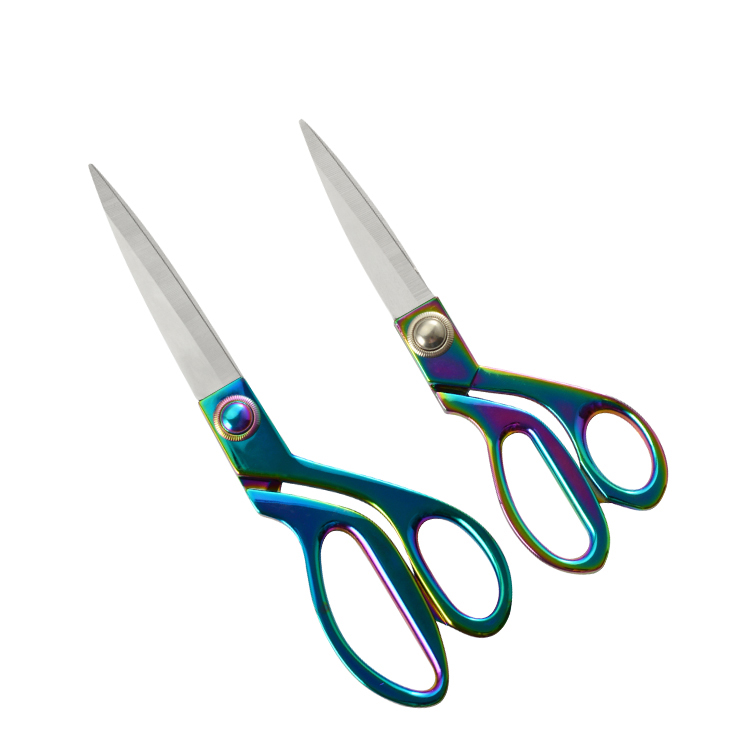
Easy grip tailor scissors are designed for one of the most repeated tasks in sewing: cutting fabric accurately without tiring the hand too quickly. Whether you are preparing garments, samples, home textiles, alterations, or craft projects, the right scissors can help keep cuts smooth and patterns true to shape. Poorly matched scissors, by contrast, may drag through fabric, chew edges, or force the user to apply more pressure than necessary.
This guide explains what to look for when comparing tailor shears for sale, how easy-grip handles affect control, when a full scissor set is useful, and what questions to ask before purchasing for professional or personal use. It avoids assuming specifications that are not visible from a listing and focuses instead on practical selection criteria.
Key Takeaways
- Choose scissors based on fabric type, hand comfort, blade control, and frequency of use.
- Easy-grip handles can reduce fatigue during long cutting sessions, especially for repetitive work.
- Bent-handle tailor shears help keep fabric flatter on the cutting surface for straighter cuts.
- Scissor sets are useful when different tasks require shears, detail scissors, and thread snips.
- Before buying, ask the supplier about blade material, sharpening guidance, packaging, and replacement options.
Why Easy Grip Design Matters
The phrase easy grip usually refers to handle design that is shaped to feel more secure and comfortable in the hand. In tailoring, this matters because cutting is not a one-time action. A professional may cut many layers, long panels, curves, notches, and seam allowances in a single workday. Even for home sewing, a project can involve repeated cutting before stitching begins.
An ergonomic handle can help spread pressure across the fingers rather than concentrating it in one point. This may make the scissors easier to control, especially when cutting curves or working around pattern markings. A handle that feels stable also reduces the temptation to over-grip, which can contribute to hand fatigue.
Fit is personal. A pair that feels comfortable for one user may not suit another, especially if hand size, grip strength, or cutting style differs. If possible, compare handle opening size, finger room, overall weight, and balance before placing a larger order.
Blade Control and Cutting Accuracy
Tailor scissors are expected to cut fabric cleanly from the pivot to the tip. Good blade alignment is important because fabric can slip, fold, or fray when blades do not meet properly. For pattern cutting, this can affect garment symmetry and seam accuracy.
Longer blades are helpful for straight cuts across larger pieces of fabric because each stroke covers more distance. Shorter scissors can provide better control for detailed shaping, trimming, and small components. Thread snips are faster for loose threads but should not replace shears for fabric cutting.
When reviewing product information, look for clear details on blade length, handle type, intended use, and maintenance. If those details are missing, treat them as questions to ask the supplier rather than assumptions to make.
Comparison Checklist for Tailor Scissors
| Selection Point | Why It Matters | What to Check |
|---|---|---|
| Handle comfort | Affects fatigue and control during repeated cutting | Grip shape, finger space, left- or right-hand suitability |
| Blade length | Influences speed and precision | Long blades for panels, shorter blades for detail work |
| Blade alignment | Helps prevent fabric slipping or chewing | Smooth opening, even closure, clean cut to the tip |
| Weight and balance | Changes how stable the scissors feel in use | Comfort during several test cuts, not just first impression |
| Maintenance needs | Impacts service life and cutting quality | Sharpening advice, cleaning method, storage recommendation |
| Set contents | Determines whether one purchase covers multiple tasks | Shears, smaller scissors, thread snips, storage pouch or case if offered |
When a Scissor Set Makes Sense
A single pair of easy grip tailor scissors may be enough for basic garment work, but scissor sets for tailors can be more efficient when tasks vary. A typical sewing workflow may involve cutting fabric panels, trimming seams, clipping curves, cutting threads, and handling small details around pockets, collars, or appliques. Using one large pair for every task can be awkward and may dull the blades faster.
For sewing rooms, classrooms, alteration shops, or sample teams, a set also makes tool assignment easier. Larger shears can stay dedicated to fabric, while smaller scissors handle paper patterns, threads, or detail trimming. Keeping fabric scissors away from paper, wire, plastic, or packaging helps preserve the edge.
Use and Care for Better Performance
Even good tailor shears can perform poorly if they are misused. The simplest rule is to reserve fabric scissors for fabric. Paper and rough materials can dull the edge and make future cutting less precise. After use, wipe the blades clean and store the scissors closed in a safe place. If the pivot becomes stiff or loose, follow the supplier's maintenance instructions rather than forcing the tool.
- Cut on a stable surface so the fabric does not pull or hang from the table.
- Keep the lower blade close to the cutting surface for smoother lines.
- Use long, steady strokes for straight cuts and shorter strokes for curves.
- Avoid cutting pins, zippers, or hard trims unless the scissors are specifically intended for them.
- Arrange sharpening or replacement when the blades start pushing fabric instead of slicing it.
Questions to Ask Before Buying
For wholesale, OEM, or supplier sourcing, buyers should verify details directly instead of relying only on general product wording. Ask what blade material is used, whether the scissors are intended for specific fabric weights, what handle options are available, and whether samples can be evaluated before bulk purchasing. If packaging, branding, barcode labeling, or assortment sets are needed, ask whether those services are available and what information is required to quote accurately.
Commercial buyers should also ask how product consistency is checked, how defects are handled, and what documentation can be provided for the target market. Do not assume certifications, test reports, minimum order quantities, lead times, or compliance claims unless the supplier confirms them in writing.
Practical FAQ
Are easy grip tailor scissors only for professionals?
No. They are useful for professional tailors, sewing students, hobbyists, and anyone who cuts fabric regularly. The main benefit is comfort and control during repeated cutting.
What size tailor scissors should I choose?
Choose based on the work. Longer shears are efficient for straight fabric panels, while smaller scissors are better for detail trimming. Many users keep more than one size.
Can I use tailor scissors for paper patterns?
It is better to avoid using fabric scissors on paper. Keep a separate pair for paper patterns to protect the cutting edge of your fabric shears.
How do I know when scissors need sharpening?
If the blades push fabric forward, leave uncut threads, snag delicate cloth, or require extra pressure, sharpening or replacement may be needed.
What should wholesale buyers confirm before ordering?
Confirm blade material, dimensions, handle design, packaging, sample availability, quality checks, branding options, delivery terms, and any market-specific documentation required.
Final Thoughts
Easy grip tailor scissors are not just about comfort; they influence accuracy, cutting speed, and how confidently fabric can be handled. The best choice depends on the user's hand, the fabrics being cut, and the range of sewing tasks involved. By comparing handle design, blade control, set composition, and supplier information, buyers can select scissors that support cleaner work and more consistent results.
