




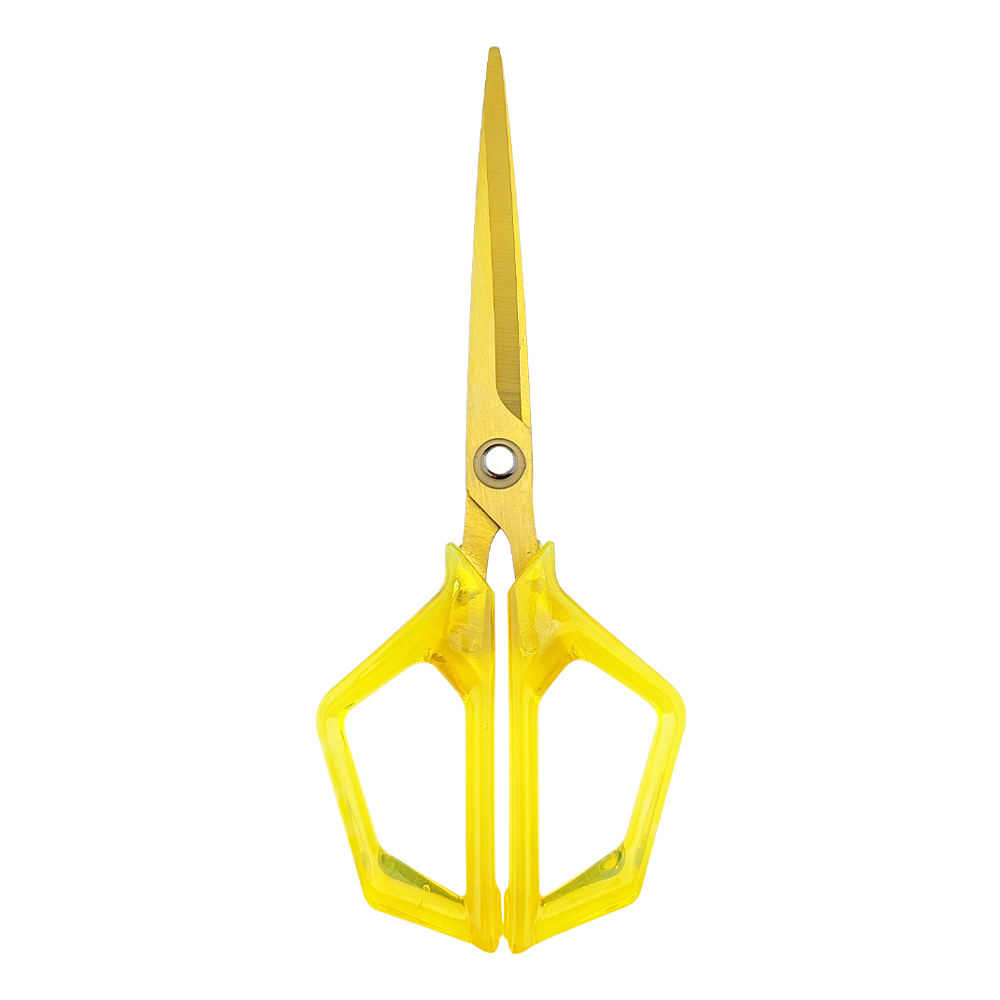
Eco-Friendly Titanium Scissors: A Practical Guide to Durable Cutting Tools
Eco-friendly titanium scissors appeal to crafters, office users, designers, teachers, and anyone who wants a cutting tool that lasts longer than low-quality disposable alternatives. The original attraction is simple: a pair of scissors that cuts cleanly, resists wear, and reduces the need for frequent replacement can be a more responsible choice over time. A finish such as rose gold may make craft scissors look refined, but the real value is still in the blade quality, handle comfort, and suitability for the materials you cut most often.
This guide explains what to look for before buying titanium scissors, how to compare options, and how to care for them so they remain useful for everyday work. It avoids assumptions about any one product model and focuses on practical selection criteria.
Key Takeaways
- Titanium scissors are often chosen for durability, corrosion resistance, and smooth cutting performance.
- Check whether the blades are solid titanium, titanium alloy, or titanium-coated steel, because performance and price expectations can differ.
- The most eco-friendly pair is the one that fits your use case and lasts, rather than one replaced after a few months.
- Handle comfort, pivot smoothness, blade length, and intended materials matter as much as the blade finish.
What Makes Titanium Scissors Different?
Titanium is valued because it is strong, lightweight, and resistant to rust and corrosion. In cutting tools, titanium may appear as a blade material, an alloy, or a coating applied to another metal. Each construction has different implications for durability, sharpening, and cost. Because product descriptions can use the word titanium in different ways, shoppers should read specifications carefully instead of relying on the name alone.
For precision work, the edge geometry and blade alignment are just as important as the material. A well-aligned pair should open and close smoothly, meet evenly along the cutting edge, and cut the intended material without chewing, snagging, or forcing the hand to apply excess pressure.
Why They Can Be an Eco-Friendly Choice
Eco-friendly does not only refer to the material itself. For scissors, the strongest sustainability argument is longevity. If one durable pair replaces several cheaper pairs that dull quickly, the total waste from packaging, shipping, and discarded tools may be reduced. Long service life also saves users from repeatedly buying replacements.
However, buyers should be cautious about vague green claims. Look for clear information: what part is titanium, whether the tool is repairable or adjustable, and whether the manufacturer provides use and care instructions. If a supplier claims recycled content, special environmental testing, or specific certifications, ask for documentation rather than assuming it applies.
How to Choose the Right Pair for Your Work
Start with the materials you cut most often. Paper and light craft board need clean, controlled cutting. Fabric users usually need longer blades and a smooth draw through woven material. Office users may prioritize comfort, safety, and resistance to rust from daily handling. Professional craft or packaging teams may need consistent edge performance across repeated cuts.
- Confirm blade construction: Ask whether the blades are titanium, titanium alloy, or titanium-coated steel.
- Match blade length to the task: Short blades offer control for detailed cutting; longer blades help with straight cuts and fabric panels.
- Test handle comfort: The grip should not pinch, twist the wrist, or create pressure points during repeated use.
- Check the pivot: A stable screw or rivet helps the blades stay aligned and reduces rough cutting.
- Review care needs: Even corrosion-resistant scissors benefit from cleaning, drying, and proper storage.
Comparison Checklist for Buyers
| Selection Point | Why It Matters | Question to Ask |
|---|---|---|
| Blade type | Determines durability, sharpening options, and value | Is it solid titanium, alloy, or titanium coating? |
| Cutting use | Prevents buying a tool that is too light or too heavy for the job | Is it intended for paper, fabric, crafts, office use, or mixed materials? |
| Handle design | Affects comfort during long sessions | Does the handle fit right-handed, left-handed, or ambidextrous users? |
| Pivot quality | Supports clean alignment and smoother cuts | Can the pivot be adjusted, and does it feel stable? |
| Maintenance | Extends useful life and reduces replacement waste | How should the scissors be cleaned, stored, and sharpened? |
Use and Care Tips for Longer Life
Durable scissors still need basic care. Wipe adhesive, dust, and lint from the blades after use. If the scissors are used for craft tape or sticky labels, clean residue promptly with a method recommended by the supplier. Keep scissors dry before storage, especially if they are used near water, food packaging, or humid work areas.
It is also wise to dedicate one pair to each task. Fabric scissors often become less effective when used on cardboard or thick plastic. Paper scissors may not be suitable for heavy textiles. Labeling pairs by use can preserve sharpness and improve cutting quality. Store them closed, away from hard objects that may chip or knock the edges out of alignment.
When Titanium Scissors Are Worth Considering
Titanium scissors are a sensible option when clean cutting, corrosion resistance, and long-term use matter. They can be especially useful for craft rooms, classrooms, studios, offices, and household kits where tools see regular handling. They may not be necessary for every user, but they are worth comparing if cheap scissors are being replaced too often or if rough cutting is slowing work down.
For bulk, OEM, or wholesale sourcing, buyers should request product samples and written specifications before placing larger orders. Ask suppliers about blade construction, handle material, packaging options, quality inspection steps, replacement policies, and whether any environmental or compliance claims can be supported with documents. Avoid assuming capacity, minimum order quantity, certifications, or test results unless the supplier provides them directly.
Practical FAQ
Are titanium scissors always better than stainless steel scissors?
Not always. A well-made stainless steel pair can outperform a poorly made titanium-labeled pair. Compare blade alignment, edge quality, comfort, and intended use.
Do titanium scissors stay sharp forever?
No scissors stay sharp forever. Titanium or titanium-coated blades may resist wear well, but cutting abrasive or inappropriate materials can still dull the edge.
Can I use the same pair for fabric and paper?
You can, but it is not ideal if you need precise fabric cutting. Many users keep fabric scissors separate to protect the blade edge.
What should wholesale buyers verify?
Verify blade material, coating details, sample performance, packaging, quality checks, lead time, after-sales terms, and any claimed certifications or environmental statements.
How do I know if a pair is eco-friendly?
Look beyond the label. A durable, repairable, well-matched tool that avoids frequent replacement is often the strongest practical indicator of a lower-waste choice.
