




Efficient Container Scissors Delivery in Thailand
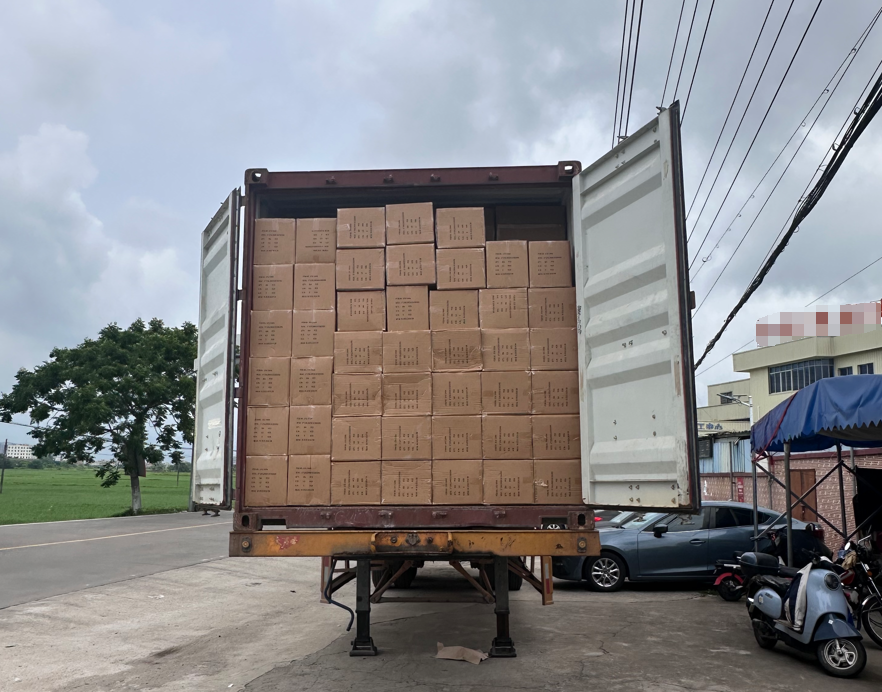
Container scissors delivery to Thailand is not only a transport task. For importers, wholesalers, distributors, and retail supply teams, it is a coordinated B2B process that begins with supplier communication and ends with goods arriving in a condition suitable for onward sale or distribution. Scissors may appear simple, but they require careful carton planning, rust prevention, clear documentation, and reliable handover between factory, forwarder, carrier, customs broker, and receiver.
The original article highlighted precision, care, and efficient delivery. This expanded guide turns those ideas into practical sourcing and logistics steps. It is written for buyers arranging scissors container shipping to Thailand, whether the order is a full container load, a mixed container, or part of a broader houseware shipment.
Key Takeaways
- Confirm product, carton, labeling, and packing details before container loading begins.
- Ask suppliers and freight partners direct questions about export documents, cargo protection, and delivery responsibilities.
- Plan for Thailand arrival requirements early, including customs broker coordination and warehouse receiving capacity.
- Use a loading checklist and inspection photos to reduce disputes and delays.
- Avoid assuming product grades, certifications, or compliance claims unless they are documented by the supplier.
What “Container Scissors Delivery Thailand” Really Involves
In a B2B context, container scissors delivery usually covers several linked stages: production completion, product packing, carton marking, container booking, loading supervision, export declaration, ocean or multimodal transport, Thailand import handling, and final delivery to a warehouse or distribution point. Each stage can affect cost, timing, and product condition.
For buyers, the goal is not simply to book the cheapest freight. It is to create a predictable shipment. That means the supplier should provide accurate packing information, the forwarder should understand the cargo type, and the consignee in Thailand should be ready to receive, inspect, and store the goods. If scissors are packed with other houseware items, buyers should also consider carton stacking strength and whether heavier cartons could damage lighter goods.
Supplier Questions Before Booking the Container
Before arranging scissors container shipping to Thailand, collect information from the supplier in writing. Do not rely on assumptions or promotional wording. Useful questions include:
- What are the final carton dimensions, gross weight, and net weight for each scissors item?
- How many cartons are expected, and how many units are in each carton?
- Will the cartons include buyer-required shipping marks, barcodes, or product labels?
- What packaging is used to protect blades, handles, and retail packaging during transit?
- Can the supplier provide loading photos, carton photos, and a packing list before shipment?
- Which export documents can the supplier provide, and when will they be ready?
- Are there any buyer-required compliance documents, test reports, or destination-market requirements that must be confirmed before production?
These questions help avoid common problems, such as mismatched carton counts, unclear labeling, incomplete paperwork, or cargo that cannot be identified quickly at destination.
Packing and Loading Considerations for Scissors
Scissors shipments need packaging that protects both the product and the people handling the cartons. Blades should not be able to pierce inner packaging or outer cartons. Retail packs should be arranged to reduce movement, rubbing, and deformation. If the cargo will travel by sea, buyers should ask how the supplier manages moisture risk during storage, loading, and transit.
Container loading is another key control point. Efficient use of container space matters, but over-compression can damage cartons and make unloading unsafe. Ask for a loading plan if the shipment includes several carton sizes. If possible, request photos showing the container before loading, during loading, and after loading with the seal visible. These photos can support traceability and help resolve questions later.
Comparison Checklist: Factory, Forwarder, and Buyer Roles
| Stage | Factory or Supplier | Freight Forwarder | Buyer or Importer |
|---|---|---|---|
| Product readiness | Confirms order completion, carton count, and packing list | Uses cargo details for booking | Approves final product and packing information |
| Carton marking | Applies shipping marks and labels as agreed | May advise destination requirements | Provides label instructions before packing |
| Container booking | Coordinates loading date with forwarder | Books vessel or transport route | Confirms delivery deadline and trade terms |
| Loading evidence | Provides photos, seal number, and loading record | May arrange loading supervision if requested | Reviews records before final shipment confirmation |
| Documents | Prepares commercial invoice, packing list, and agreed export documents | Handles transport documents | Checks details for consistency before arrival |
| Thailand arrival | Answers document questions if needed | Coordinates destination handling | Works with broker and warehouse to receive goods |
Documentation to Review Before Departure
Accurate documentation is central to efficient delivery. At a minimum, buyers should review the commercial invoice, packing list, and transport document details for consistency. Product descriptions, carton quantities, weights, consignee information, and shipping marks should match across documents. If the shipment requires any specific customs, safety, or market documentation, confirm it before departure rather than after the container arrives.
Because requirements can vary by product, destination, and buyer channel, it is better to ask targeted questions than to assume. For example: What product description will appear on the invoice? Are scissors classified consistently across internal records and customs documents? Does the buyer need any supporting documents for resale, retail listing, or internal compliance review in Thailand?
Arrival Planning in Thailand
Efficient delivery depends on readiness at destination. The consignee should know the estimated arrival date, container number, seal number, and document status. A customs broker or import coordinator should review paperwork early enough to identify errors. Warehouse teams should prepare space, labor, and receiving procedures, especially if the container includes many SKUs or mixed cartons.
On arrival, inspect the container seal, outer carton condition, and carton count. If there is visible damage, take clear photos before unloading continues. Record shortages, wet cartons, crushed cartons, or label issues immediately. A simple receiving report helps the buyer decide whether to release goods, request a supplier explanation, or start a claim process with the relevant logistics party.
How to Reduce Risk in Scissors Container Shipping
Risk reduction is mainly about clear communication and evidence. Buyers should avoid vague instructions such as “pack well” or “ship quickly.” Instead, define the required carton marks, inner packaging expectations, loading photos, document deadlines, and destination contact points. If the order value or timeline is important, consider pre-shipment inspection, loading supervision, or third-party document review.
It is also useful to create a shipment file containing the purchase order, packing list, invoice, product photos, carton photos, booking confirmation, bill of lading or transport document, container seal photo, and receiving report. This file improves internal traceability and supports smoother reorders.
Practical FAQ
Can scissors be shipped in a container to Thailand with other houseware products?
Yes, mixed shipments may be possible, but carton weight, product protection, labeling, and loading sequence should be planned carefully. Heavier cartons should not crush lighter or fragile items.
What should buyers confirm before loading?
Confirm carton count, carton dimensions, gross weight, shipping marks, packing list details, loading date, container booking, and document responsibilities.
Should I request loading photos?
Yes. Loading photos are a practical record showing carton condition, loading method, container number, and seal number. They do not replace inspection, but they improve traceability.
What if product certifications or test reports are required?
Ask the supplier what documents are available and verify whether they meet your destination, sales channel, or internal requirements. Do not assume certification unless the supplier provides valid documentation.
How can delivery delays be reduced?
Share accurate cargo information early, review documents before departure, coordinate with a Thailand customs broker, and make sure the receiving warehouse is ready before the container arrives.
Final Thoughts
Container scissors delivery to Thailand works best when it is treated as a complete supply-chain process rather than a last-minute freight booking. Clear supplier questions, practical packing controls, accurate documents, and arrival planning all contribute to smoother delivery. For B2B buyers, the most reliable approach is to document expectations before shipment, verify details at each handover point, and keep communication open between the supplier, forwarder, broker, and receiving team.
