




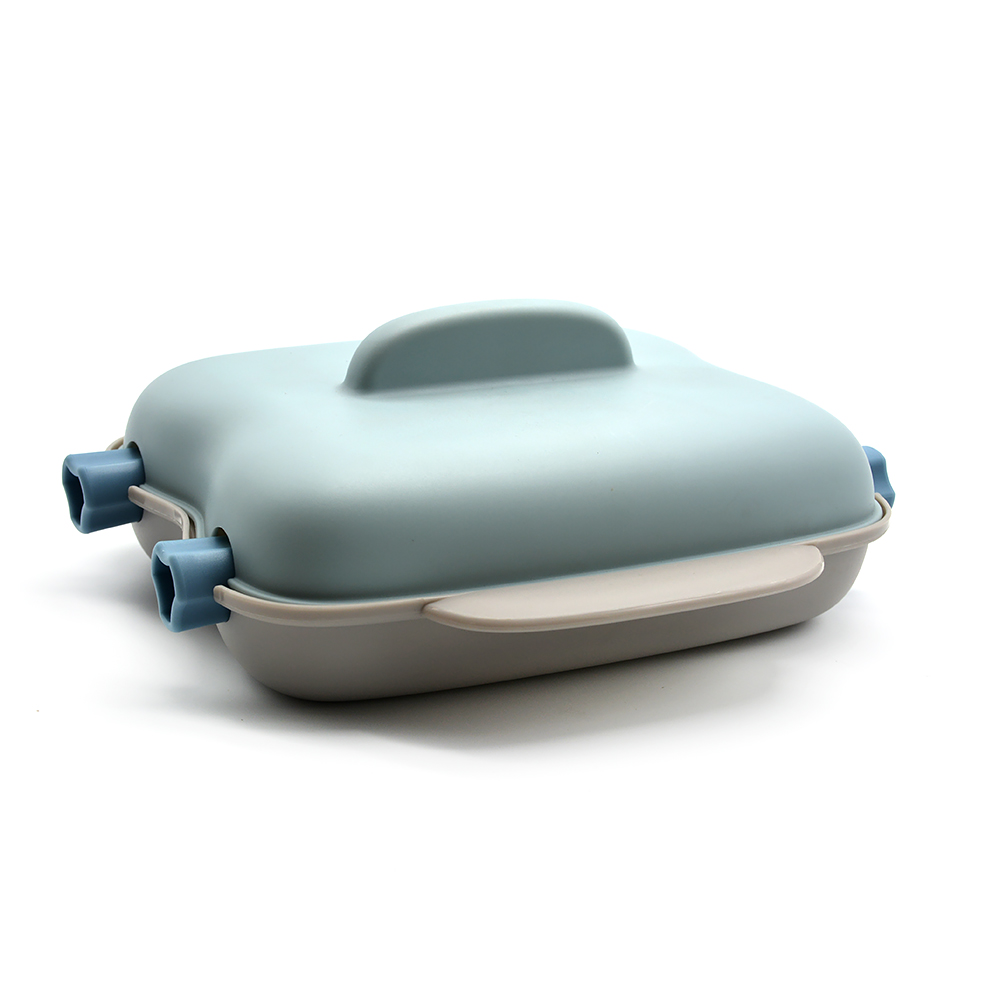
Efficient Corn Cooker Solutions: Manufacturer Sourcing Guide
Choosing a corn cooker is not only a product decision. For restaurants, catering companies, food trucks, retailers, and distributors, it is also a sourcing decision that affects service speed, kitchen workflow, maintenance, and long-term customer satisfaction. The original focus of this topic is corn cooker manufacturing, commercial corn cookers, corn cooking machine suppliers, and related serving tools. This rewritten guide turns those ideas into a practical B2B checklist for buyers who need to compare suppliers without relying on vague claims.
A good sourcing process starts with a clear use case. Are you preparing corn for a small food counter, a high-volume buffet, a mobile vendor setup, or resale through a wholesale channel? Each situation may require a different size, control style, cleaning method, and support model. Instead of assuming one machine fits every buyer, use the sections below to identify what to ask, what to compare, and what to verify before placing an order.
1. Define the Commercial Use Case First
Commercial corn cookers are commonly considered by foodservice operators that need consistent preparation and faster serving during busy periods. A restaurant may value repeatable cooking results and easy cleaning, while a food truck may prioritize compact placement and simple operation. A catering business may need equipment that can support batch preparation at events, and a distributor may need product options that match different customer segments.
Before contacting a corn cooker manufacturer or supplier, write down the expected operating environment. Useful details include the number of servings per hour, available counter or floor space, power or fuel requirements, cleaning routines, operator skill level, and whether the equipment will be moved frequently. These details help a supplier recommend an appropriate model instead of offering a generic option.
2. What to Look for in a Corn Cooker Manufacturer
A manufacturer should be evaluated on more than the appearance of a product catalog. Buyers should ask how the product is designed for daily use, how replacement parts are handled, what documentation is available, and whether the supplier can explain maintenance clearly. If you are buying for wholesale or OEM purposes, also ask which details can be customized and which are fixed by the current design.
Avoid assuming capacity, certifications, material grade, or performance results unless the supplier provides written confirmation. If a product description mentions features such as precise temperature control, user-friendly operation, easy maintenance, or energy efficiency, ask for the exact technical explanation behind those statements. For example, does temperature control mean a thermostat, a digital controller, or another method? How is energy use measured? What cleaning steps are recommended after a full day of operation?
3. Supplier Comparison Checklist
The table below can help purchasing teams compare corn cooking machine suppliers in a structured way. It is especially useful when several vendors appear similar at first glance.
| Checklist Item | Why It Matters | Questions to Ask the Supplier |
|---|---|---|
| Product fit | The cooker must match serving volume and kitchen layout. | Which model is suitable for my expected daily output and available space? |
| Controls | Controls affect consistency and operator training. | How is cooking temperature or timing managed, and what can operators adjust? |
| Cleaning and maintenance | Frequent cleaning can reduce downtime and support hygiene routines. | Which parts are removable, and what maintenance schedule do you recommend? |
| Commercial support | B2B buyers need clear after-sales communication. | How do you handle spare parts, troubleshooting, manuals, and warranty questions? |
| Customization | OEM or wholesale buyers may need packaging, labels, or design changes. | What customization is available, and what details require confirmation before quoting? |
| Compliance documentation | Importers may need documents for their target market. | Which certificates, test reports, or declarations can you provide for review? |
4. Compact, Commercial, and Larger-Scale Options
The original article notes that suppliers may offer compact models for small operations and larger units for industrial or high-volume needs. In practice, buyers should compare product categories by workflow rather than by size alone. A compact cooker may be suitable for a snack counter with limited space, while a larger unit may be appropriate for a cafeteria, catering line, or busy vendor location.
When reviewing options, consider the full service process: loading corn, monitoring cooking, removing cooked portions, holding or serving, draining or cleaning, and resetting for the next batch. A machine that looks efficient on paper may slow staff down if access is awkward or cleaning takes too long. Ask for product videos, manuals, or photos of key components if you cannot inspect a sample in person.
5. Practical Questions for OEM and Wholesale Buyers
Wholesale and OEM sourcing requires more detail than a single retail purchase. The goal is not just to buy a corn cooker, but to ensure repeatable supply, consistent communication, and product information that supports your own customers.
- What is the standard product range, and which models are most suitable for commercial use?
- Can the supplier provide product dimensions, packing details, manuals, and maintenance guidance?
- Are logos, packaging, instruction materials, or control panel details customizable?
- What is the expected lead time, and how does it change for customized orders?
- What spare parts are commonly requested, and how are they ordered?
- Can the supplier provide samples or small trial orders before larger procurement?
- Which claims in the product listing can be supported with written documentation?
These questions help protect both sides. The buyer receives clearer expectations, and the supplier can recommend a realistic solution instead of guessing based on incomplete information.
6. Accessories and Serving Workflow
Corn preparation does not end when cooking is complete. Serving tools can affect safety, cleanliness, and customer experience. The original article mentions a multifunctional corn holder set with reinforced handles for a secure grip and a design intended to reduce messes. It also mentions a spice mill for more precise seasoning. These items may be useful complements for kitchens or retailers that want a complete corn serving setup.
For B2B buyers, accessories should still be evaluated with the same discipline as cooking equipment. Ask what materials are used, how the products should be cleaned, how they are packed, and whether they are suitable for the intended sales channel. If accessories are bundled with cookers, confirm whether they are standard items or optional add-ons.
7. Key Takeaways
- Start with the operating environment, not the product photo.
- Compare corn cooker manufacturers by documentation, support, maintenance, and product fit.
- Ask suppliers to explain any claims about efficiency, durability, controls, or cleaning.
- For OEM and wholesale sourcing, confirm customization, packaging, spare parts, and lead time before ordering.
- Consider serving accessories only after verifying materials, cleaning guidance, and packaging details.
FAQ
How do I choose the right commercial corn cooker size?
Estimate your peak serving volume, available space, and batch workflow first. Then ask the supplier which model fits those conditions and request dimensions, operating guidance, and cleaning instructions.
What should I ask a corn cooking machine supplier before buying?
Ask about controls, maintenance, spare parts, documentation, customization, packing, lead time, and after-sales support. If the product is for import or resale, also request any available compliance documents for review.
Can corn cookers be customized for OEM or wholesale orders?
Customization may be possible, but it depends on the supplier and product design. Ask specifically about branding, packaging, manuals, control panels, and any minimum order or lead-time requirements.
Are accessories like corn holders important for B2B buyers?
They can be useful when building a complete serving or retail solution. However, buyers should still verify materials, cleaning instructions, packing, and whether the accessory is standard or optional.
