




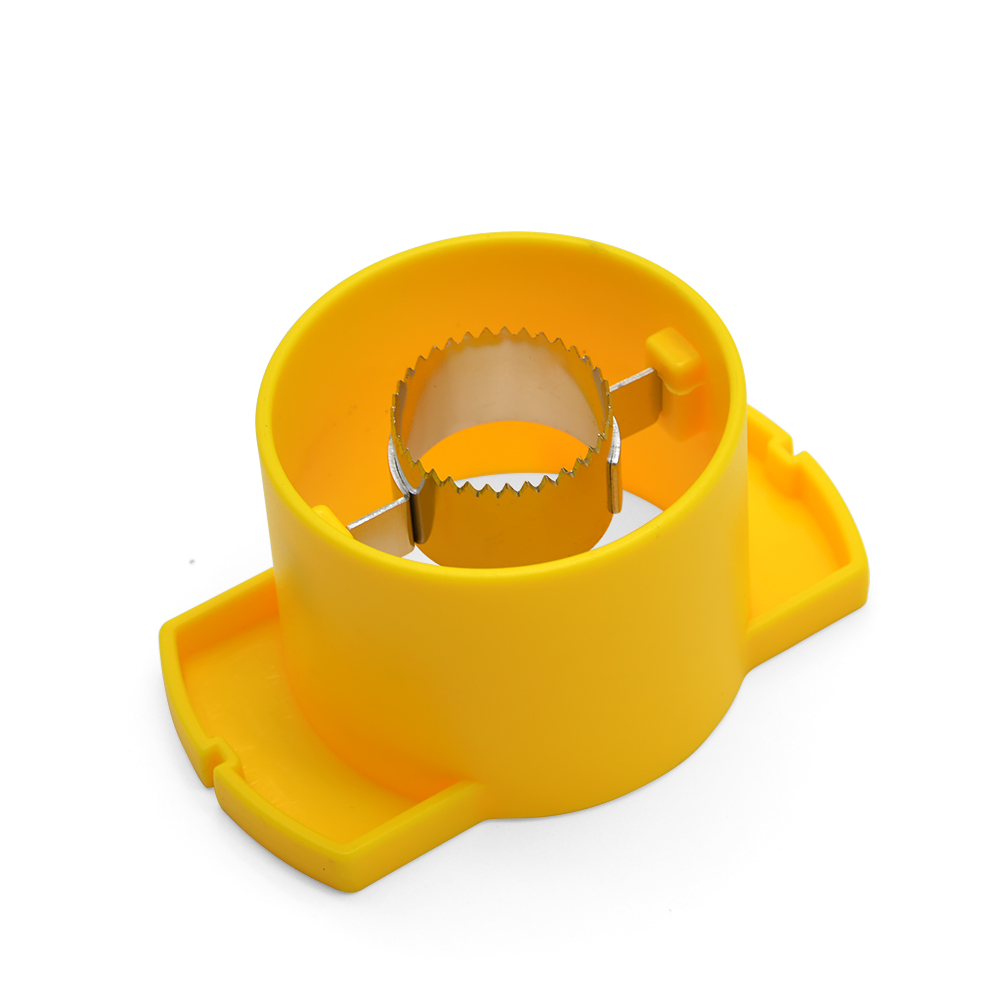
Best Corn Thresher for Efficient Farm Processing
A corn thresher, also called a maize sheller in many markets, is designed to separate corn kernels from the cob faster and more consistently than hand shelling. For small farms, cooperatives, grain buyers and agricultural equipment distributors, the right machine can reduce labor pressure during harvest and improve the speed of post-harvest handling. The best choice, however, is not simply the biggest or most expensive model. It depends on crop volume, power access, expected kernel quality, maintenance ability and the reliability of the supplier.
This guide explains how corn threshers work, what to compare before buying, and which sourcing questions help buyers avoid unsuitable equipment. It is written for practical decision-making rather than promotional claims.
Key Takeaways
- A corn thresher separates kernels from cobs by friction, impact or shelling action, reducing manual work.
- Manual, electric and engine-driven machines serve different farm sizes and operating conditions.
- Buyers should compare output needs, kernel breakage, power source, cleaning access, spare parts and after-sales support.
- For wholesale, OEM or supplier sourcing, request written specifications and sample testing instead of relying on general product photos.
What a Corn Thresher Does
Traditional hand shelling is slow, tiring and difficult to scale when harvest volume increases. A corn thresher mechanizes the separation process so that kernels are removed from the cob in a more controlled and repeatable way. Depending on the design, the machine may use rubbing surfaces, rotating components, beating action or a shelling chamber to detach the kernels.
The main purpose is not only speed. A well-matched thresher can help reduce unnecessary kernel loss, limit damage compared with rough manual handling, and shorten the time between harvest and storage or sale. That matters because delayed processing can create bottlenecks for drying, grading, packing and transport.
Main Types of Corn Threshers
Corn threshers are available in many sizes and power formats. The original choice should start with the working environment rather than the catalogue listing. A village buying station with irregular electricity has different needs from a processing center with stable power. A family farm processing a few sacks per day has different needs from a commercial operation running for long hours.
| Type | Best suited for | Advantages | Questions to ask |
|---|---|---|---|
| Manual corn thresher | Small farms, household use, low-volume work | Simple operation, no electricity or fuel required, easy to move | How many ears can it process per hour under realistic use? Is it comfortable for long sessions? |
| Electric corn thresher | Farms or shops with stable power supply | Lower physical effort, consistent running speed, suitable for regular use | What voltage and motor details are required? Is the motor protected from dust and overload? |
| Engine-driven thresher | Remote farms, field use, higher-volume processing | Works without grid power, often better for mobile processing | What fuel type is used? What maintenance schedule and spare parts are needed? |
| Larger commercial unit | Cooperatives, buying centers, service providers | Higher throughput and more continuous operation when correctly specified | What is the tested capacity, kernel damage rate and warranty process? |
How to Choose the Best Corn Thresher for Your Operation
To find the best corn thresher for your needs, start by calculating the real workload. Estimate how much corn must be processed per day during peak harvest, how many hours the machine will run, and how many operators are available. Do not choose only by advertised capacity; ask whether the stated output is based on dry corn, average moisture corn, whole ears, cleaned ears or ideal test conditions.
Important selection criteria include:
- Operating scale: Small farms may prefer simple manual or compact powered units, while commercial buyers usually need a sturdier model designed for longer running time.
- Kernel condition: Ask whether the machine is suitable for the dryness level of your corn. Wet or unevenly dried corn may increase clogging or kernel damage.
- Power availability: Electric machines require dependable voltage. Engine-driven machines may be better where electricity is limited.
- Ease of cleaning: Corn dust, husk fragments and broken kernels can collect inside the machine. Easy access helps routine maintenance.
- Operator safety: Request information about guards, feed design and safe operating instructions. Do not remove protective parts to increase speed.
- Replacement parts: Wear parts, belts, screens or rotating components should be available from the supplier when needed.
B2B Sourcing Guidance for Suppliers and OEM Buyers
If you are purchasing for resale, wholesale distribution or farm service operations, supplier evaluation is as important as machine selection. Avoid basing a decision only on a product photo or a broad description such as “high efficiency.” Instead, ask for a complete specification sheet and clear answers to commercial and technical questions.
Useful questions for a corn thresher supplier include:
- What models are available and what are their tested capacities under defined conditions?
- What power source, motor or engine options can be supplied?
- Which parts normally wear out, and how are replacements ordered?
- Can the supplier provide operation manuals, packing details and maintenance guidance?
- Is sample testing available before a larger order?
- For OEM or private label projects, what customization options are possible, and which details require confirmation before production?
- What quality inspection steps are used before shipment?
Do not assume certifications, compliance status, production capacity, minimum order quantity or warranty terms unless the supplier provides written confirmation. For importers, it is also wise to verify local electrical requirements, labeling rules, safety expectations and customs documentation before ordering.
Reducing Kernel Damage and Post-Harvest Loss
The benefit of threshing equipment is strongest when it improves both speed and grain quality. A thresher that works too aggressively may crack kernels, while one that is underpowered may leave kernels on the cob or require repeated feeding. Both outcomes reduce efficiency.
To improve results, sort out stones, metal pieces and unsuitable material before feeding. Follow the supplier’s guidance for feed rate rather than forcing too much corn into the machine. If the corn is too wet or too dry for the model, adjust timing or request advice before continuous use. Operators should check the discharged cobs and kernels regularly; remaining kernels on cobs may suggest poor adjustment, while excessive broken grain may indicate speed, moisture or machine-condition issues.
Maintenance and Daily Use Tips
A corn thresher is often used heavily during a short harvest period, so daily maintenance matters. Before operation, inspect belts, fasteners, guards and moving parts according to the manual. During use, listen for unusual vibration or scraping sounds. After work, clean out dust and leftover crop material to reduce blockage and corrosion risk.
Keep a small record of running hours, issues and parts replaced. For shared machines used by cooperatives or service providers, this record helps identify patterns and plan maintenance before peak season. If a machine is stored between harvests, keep it in a dry place and protect it from rain, rodents and unnecessary exposure.
FAQ
Is a manual corn thresher enough for a small farm?
It can be enough if the farm processes a limited amount of corn and labor is available. For larger harvests or time-sensitive processing, an electric or engine-driven machine may reduce delays.
Does a corn thresher work with all maize varieties?
Not always equally well. Cob size, kernel hardness and moisture level can affect performance. Ask the supplier whether the model has been tested with corn similar to yours.
What should wholesale buyers check before placing an order?
Request written specifications, packing details, spare parts information, sample testing options and after-sales terms. Confirm power requirements and any local compliance needs before purchase.
How can kernel breakage be reduced?
Use corn at a suitable moisture level, avoid overfeeding, keep the machine clean and inspect wear parts. If breakage remains high, ask the supplier about adjustment or whether another model is more suitable.
What is the best corn thresher overall?
The best corn thresher is the one that matches your daily volume, power supply, kernel quality requirements and maintenance capacity. Comparing real working conditions is more useful than choosing by size alone.
