




Efficient Vegetable Slicer and Grater Tools Guide
Vegetable slicers and graters are small tools, but they can make a real difference in daily food preparation. A handheld slicer helps create more even vegetable pieces for salads, garnishes and quick cooking. A ginger grater releases fresh flavor from ginger, garlic, citrus zest and hard spices. A multi-purpose grater set gives cooks several cutting surfaces without relying on bulky equipment.
This guide rewrites the original product introduction into practical selection and use advice. It focuses on what a buyer or home cook can evaluate before choosing a vegetable slicer set, how each tool is best used, and which questions to ask when comparing similar kitchen tools.
Key Takeaways
- A handheld vegetable slicer is useful when you want consistent thin slices without taking out a large appliance.
- A ginger grater with a stainless steel grating surface works well for ginger, garlic, citrus zest and nutmeg.
- A three-piece grater set can cover slicing, shredding and zesting tasks in a compact format.
- Ergonomic handles matter because small tools are often used with repeated wrist movement.
- Ask suppliers about blade material details, cleaning instructions and packaging before purchasing in volume.
What the Tool Set Includes
The original product information highlights three types of kitchen tools: a handheld vegetable slicer, an ergonomic ginger grater and a three-piece multi-purpose grater set. The vegetable slicer is described as compact, with sharp stainless steel blades, a soft green body and an ergonomic handle for a secure grip. It is intended for slicing vegetables evenly for salads, garnishes and similar preparation tasks.
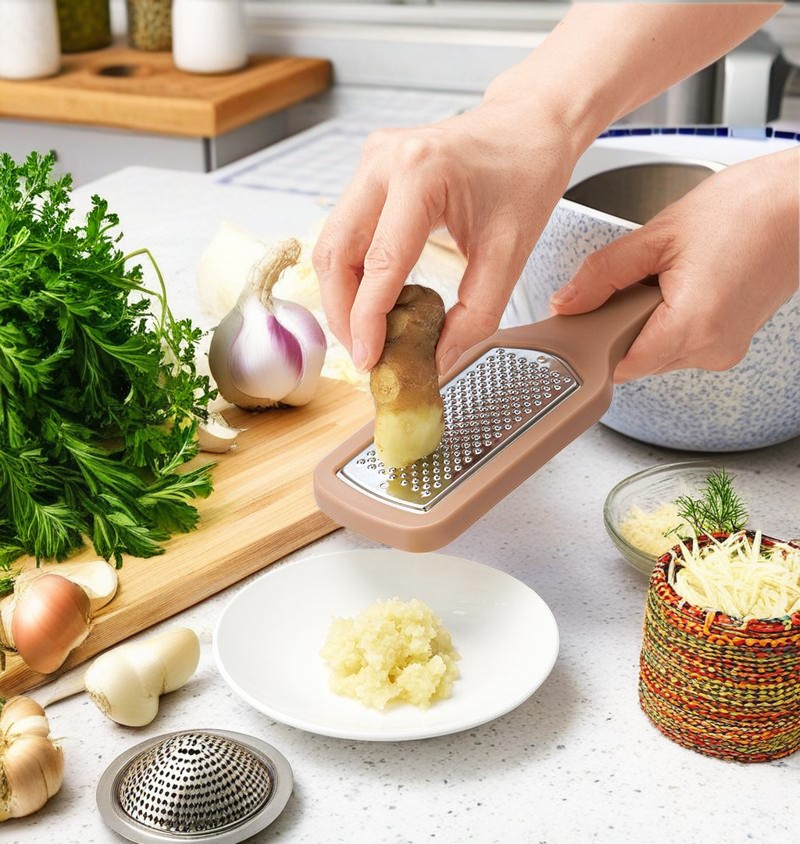
The ginger grater uses a stainless steel grating surface and a soft handle. While ginger is the main use case, the same style of tool can also grate garlic, citrus peel and hard spices such as nutmeg. The multi-purpose grater set is presented as a colorful three-piece set for vegetables, cheese, citrus zest and other small preparation jobs. The source also notes rust-resistant stainless steel blades for this set.
Vegetable Slicer: Best Uses and Selection Tips
A handheld vegetable slicer is most useful when speed and consistency are more important than heavy-duty capacity. It is suitable for cucumbers, carrots, radishes and other vegetables that need uniform pieces for salads or garnishes. Thin, even slices can also cook more predictably than uneven hand-cut pieces.
When choosing a vegetable slicer, look beyond color and shape. A good slicer should feel stable in the hand, and the handle should allow the user to apply pressure without slipping. Compact storage is also valuable, especially in kitchens where drawer space is limited. Because the source mentions stainless steel blades but does not specify a grade, buyers should ask the supplier what type of stainless steel is used and whether care instructions are provided to reduce corrosion risk.
Ginger Grater: Small Tool, Strong Flavor
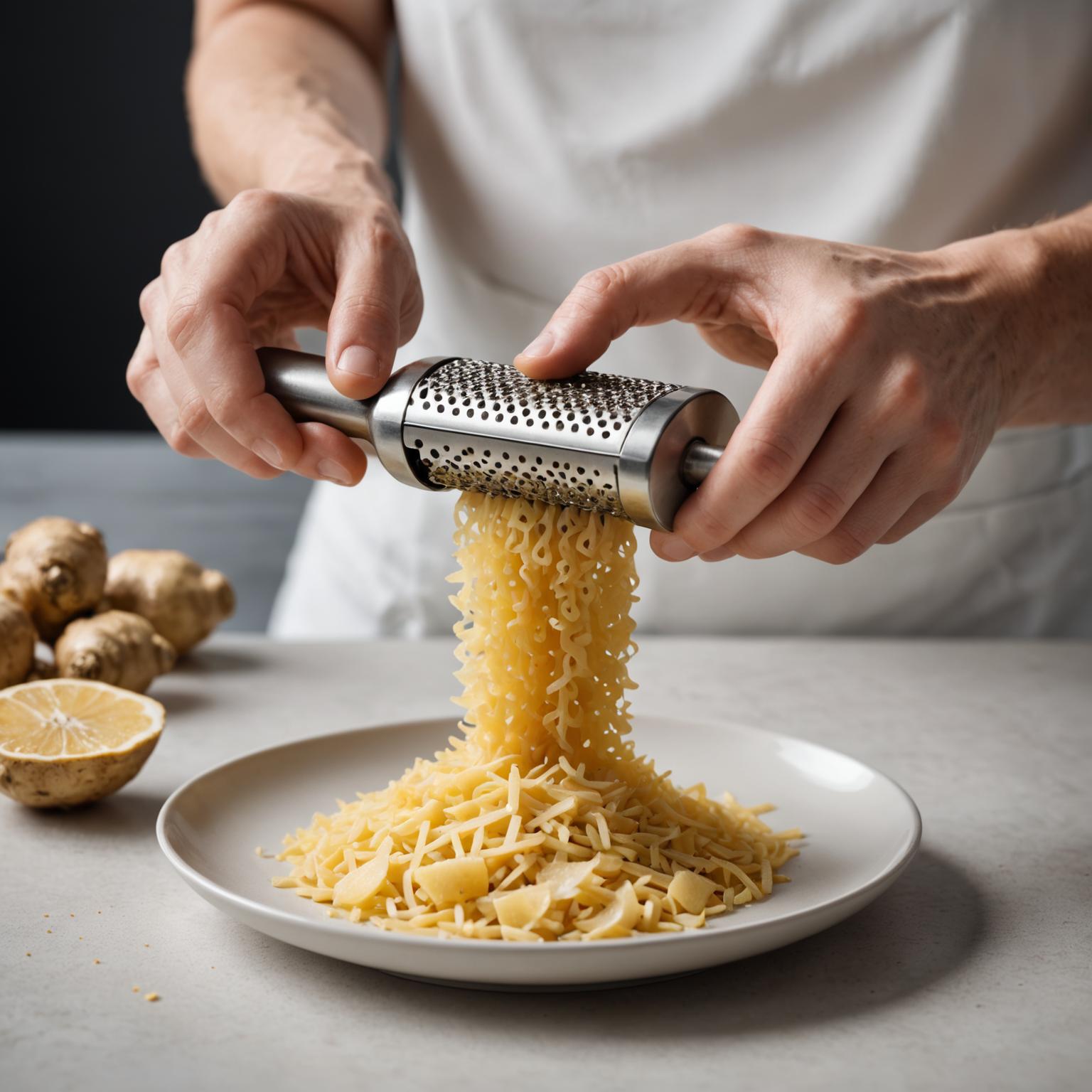
Fresh ginger is fibrous, so it can be difficult to mince cleanly with a knife. A dedicated ginger grater breaks the fibers down and helps release juice and aroma into sauces, marinades, soups and tea. The original description notes a stainless steel grating surface that supports juice extraction, along with a soft handle for comfort during longer use.
This type of grater is not limited to ginger. It can be used for garlic when a fine paste is desired, for citrus zest when you want fragrance without large peel pieces, and for nutmeg when adding warm spice to baked goods or drinks. For best results, grate with controlled pressure and short strokes. Rinse the grating surface soon after use so fibers do not dry into the small teeth.
Multi-Purpose Grater Set: When Three Tools Are Better Than One
A three-piece grater set is useful when one cutting surface cannot handle every task. The original article mentions a green slicer for long vegetable slices and a citrus yellow grater for finer shredding or zesting. A set like this can help separate tasks: one tool for vegetables, one for cheese or medium shredding, and one for zest or fine grating.
The advantage is flexibility without a large footprint. Instead of storing a box grater or a larger slicing device, users can keep slim tools in a drawer or utensil holder. However, it is still important to check how the pieces nest, whether blade covers are included, and how safely the tools can be stored. These details are especially important for households with children or for commercial buyers preparing retail packaging.
Comparison Checklist
| Tool | Best For | What to Check Before Buying | Care Tip |
|---|---|---|---|
| Handheld vegetable slicer | Even vegetable slices for salads, garnishes and quick prep | Grip comfort, blade sharpness, storage size and whether a hand guard is provided | Wash carefully after use and store away from loose contact with other utensils |
| Ginger grater | Ginger, garlic, citrus zest and nutmeg | Grating surface texture, handle comfort and ease of rinsing fibers away | Rinse immediately after grating fibrous ingredients |
| Three-piece grater set | Slicing, shredding, zesting and small prep tasks | Blade covers, nesting design, color coding and packaging details | Dry thoroughly before storage to help maintain the blades |
Safe Use and Cleaning Guidance
Sharp kitchen tools deserve careful habits. Always slice or grate on a stable surface and keep fingers away from the cutting area. If the product includes a food holder or guard, use it, especially when working with smaller pieces of vegetables. Do not rush the final few centimeters of an ingredient; that is when slips are most likely.
- Inspect the tool before use to make sure the blade or grating surface is secure.
- Use steady, even pressure rather than forcing the ingredient.
- Clean the tool soon after use, especially after ginger, garlic or cheese.
- Dry the tool before storage to reduce moisture exposure.
- Store sharp graters and slicers where hands will not contact the blades accidentally.
If dishwasher cleaning is important to you, confirm the supplier's instructions first. The original article does not state dishwasher suitability, so it should not be assumed.
Questions for Retailers, Wholesalers and OEM Buyers
For B2B sourcing, the visible design is only one part of the decision. Before ordering a vegetable slicer set or grater set for resale, ask the supplier for clear product documentation. Important questions include: What stainless steel is used for the cutting surfaces? Are blade covers or protective packaging included? What cleaning instructions appear on the packaging? Can the supplier provide product dimensions, weight, carton details and sample inspection photos?
Buyers should also ask about branding options, packaging artwork requirements, labeling responsibilities and any market-specific compliance documents needed for their sales channel. Do not rely on assumptions about certifications or test results; request written confirmation from the supplier when such details are required.
FAQ
What is the difference between a vegetable slicer and a grater?
A slicer cuts ingredients into thin pieces, while a grater shreds or scrapes food into smaller particles. A slicer is better for cucumber or carrot slices, while a grater is better for ginger, zest, cheese or garlic paste.
Can a ginger grater be used for garlic?
Yes, the original product information specifically mentions garlic as a suitable use. Rinse the grater quickly after use because garlic residue can dry onto the surface and become harder to remove.
Is a three-piece grater set better than one large grater?
It depends on storage and cooking habits. A three-piece set is compact and task-specific, while a larger grater may handle bigger quantities. For small daily prep, separate slim tools can be more convenient.
How should vegetable slicers be stored?
Store them dry and away from loose contact with hands or other utensils. If blade covers are available, use them. For B2B purchasing, ask whether protective covers are included in the standard package.
What should I ask before buying in bulk?
Ask about blade material details, handle material, packaging, cleaning instructions, sample availability, labeling options and any required compliance documentation for your market.
