




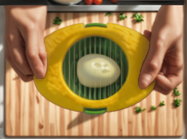
Cutting Eggs Made Easier: A Practical Guide to Egg Slicer Tools
Boiled eggs are useful in salads, sandwiches, lunch boxes, party platters, rice bowls, and quick breakfasts. The challenge is that cutting them neatly is not always as simple as it looks. A cooked egg has two very different textures: a firm but delicate white and a soft yolk that can crumble or smear. If presentation matters, or if you prepare several eggs at once, a dedicated egg slicer can make the job faster and more consistent.
This guide explains when an egg slicer is helpful, what to look for before buying one, how to use it correctly, and how to care for it. It is written for everyday kitchen users who want cleaner results without turning a small task into a complicated process.
Why Cutting Boiled Eggs by Hand Can Be Frustrating
A standard kitchen knife can cut boiled eggs, but it often creates uneven slices. The egg may roll on the cutting board, the yolk can stick to the blade, and thin slices may break before they reach the plate. Even a sharp knife requires a steady hand, especially if you want identical pieces for a salad topping or garnish.
Manual cutting becomes more time-consuming when preparing multiple eggs. You may need to wipe the knife between cuts to prevent yolk buildup, and small differences in thickness can affect both appearance and texture. For casual snacking, this may not matter. For meal prep, entertaining, or neatly arranged dishes, a slicer is often more efficient.
What an Egg Slicer Does
An egg slicer is a small kitchen tool designed to hold a peeled boiled egg in place while wires or blades pass through it. The goal is to produce even pieces in one controlled motion. Some models are designed mainly for straight slices, while others can help create wedges or diced pieces by repositioning the egg and slicing it more than once.
The original product description refers to a colorful yellow and green egg slicer, presented as a simple tool for making uniform egg slices. Color can make a tool easy to spot in a drawer, but the more important questions are how stable it feels, whether the cutting wires align well, and whether the tool is easy to clean after use.
Egg Slicer vs. Knife: Quick Comparison
| Task or Feature | Egg Slicer | Kitchen Knife |
|---|---|---|
| Uniform slices | Usually more consistent because the egg is held in position | Depends on knife sharpness and user control |
| Speed for multiple eggs | Efficient for repeated slicing | Slower if wiping the blade between cuts |
| Mess control | Can reduce yolk smearing when used with cooled eggs | Yolk may stick to the blade |
| Versatility | Best for boiled eggs and some soft foods if suitable | Works for many foods and cutting styles |
| Cleaning | Requires attention around wires or slots | Simple blade cleaning |
| Storage | Compact, but still an extra tool | No additional tool needed |
How to Choose a Good Egg Slicer Tool
Not every egg slicer feels the same in use. Before choosing one, consider the way you cook and the kinds of dishes you prepare. A person making occasional egg salad may have different needs from someone preparing brunch trays or packed lunches every week.
- Stable base: The egg should sit securely without slipping as the slicer closes.
- Comfortable grip: A tool that is easy to hold helps you press down smoothly instead of forcing the cut.
- Clean cutting action: Look for evenly spaced wires or blades that align with the base.
- Easy cleaning: Food can collect around wires, hinges, and grooves, so simple access matters.
- Compact storage: A slim profile is useful if drawer space is limited.
- Suitable materials: If the product claims stainless steel wires or other materials, check the supplier or packaging details rather than assuming.
If you are comparing products online, read the description carefully. Avoid relying only on color or promotional photos. Confirm what the tool is intended to cut, whether it is dishwasher-safe if that matters to you, and whether replacement or after-sales support is available.
How to Use an Egg Slicer for Better Results
The best results start before the egg reaches the slicer. Fully cooked eggs should be cooled and peeled cleanly. Warm eggs are more likely to break, and soft yolks may smear during slicing. If the egg is very fresh and hard to peel, small bits of white may tear away, making the final slices look uneven no matter what tool you use.
- Boil the eggs to your preferred doneness, then cool them thoroughly.
- Peel the eggs carefully and remove shell fragments.
- Place one egg lengthwise or crosswise in the slicer, depending on the shape you want.
- Lower the cutting wires or blade section with steady pressure.
- Lift the top section slowly to keep the slices in place.
- For diced egg, rotate the sliced egg carefully and cut again if the tool design allows it.
Do not force the slicer through frozen, undercooked, or oversized foods. Egg slicers are typically designed for soft boiled eggs, and excessive pressure can bend wires or strain the hinge.
Best Uses for Neatly Sliced Eggs
Uniform egg slices are not just decorative. They distribute flavor and texture evenly across a dish. Thin, consistent pieces sit better on toast, layer more neatly in sandwiches, and mix more predictably into composed salads.
Common uses include chef salads, potato salad toppings, ramen bowls, open-faced sandwiches, breakfast plates, canapes, and simple snack trays. Diced egg can also be useful for egg salad, though a fork or knife may still be better if you prefer a rougher texture. For children’s lunches or buffet service, even pieces are easier to portion and arrange.
Cleaning and Care Tips
Cleaning should happen soon after use because cooked yolk dries quickly. Rinse away residue with warm water, paying attention to the spaces around the wires and base grooves. Use a soft brush if needed. Avoid scraping the cutting wires aggressively, as this may affect alignment.
If the product instructions say it is dishwasher-safe, follow the recommended rack placement and temperature guidance. If there are no clear care instructions, hand washing is the safer approach. Dry the slicer before storage to reduce water spots and keep the hinge area clean.
Key Takeaways
- An egg slicer helps create cleaner, more uniform boiled egg pieces than most hand cutting.
- Choose based on stability, cutting alignment, cleaning access, and storage size.
- Cool and peel eggs properly before slicing for the neatest results.
- Do not assume material details or dishwasher safety unless the product information states them clearly.
FAQ
Can an egg slicer cut wedges and dices?
Some egg slicers are designed only for straight slices, while others can help create wedges or diced pieces by repositioning the egg. Check the product design before buying.
Should eggs be hot or cold before slicing?
Cooled boiled eggs usually slice more cleanly. Hot eggs are softer and more likely to crumble or smear.
Can I use an egg slicer for foods other than eggs?
Some people use similar tools for soft foods, but suitability depends on the slicer. Avoid hard foods that may bend the wires or damage the hinge.
What matters more: color or construction?
A colorful egg slicer can be easy to find and pleasant to use, but construction is more important. Look for stable positioning, smooth operation, and easy cleaning.
How do I prevent yolk from sticking?
Use fully cooled eggs, clean the slicer between batches if needed, and avoid overcooked eggs with dry, crumbly yolks when presentation is important.
