




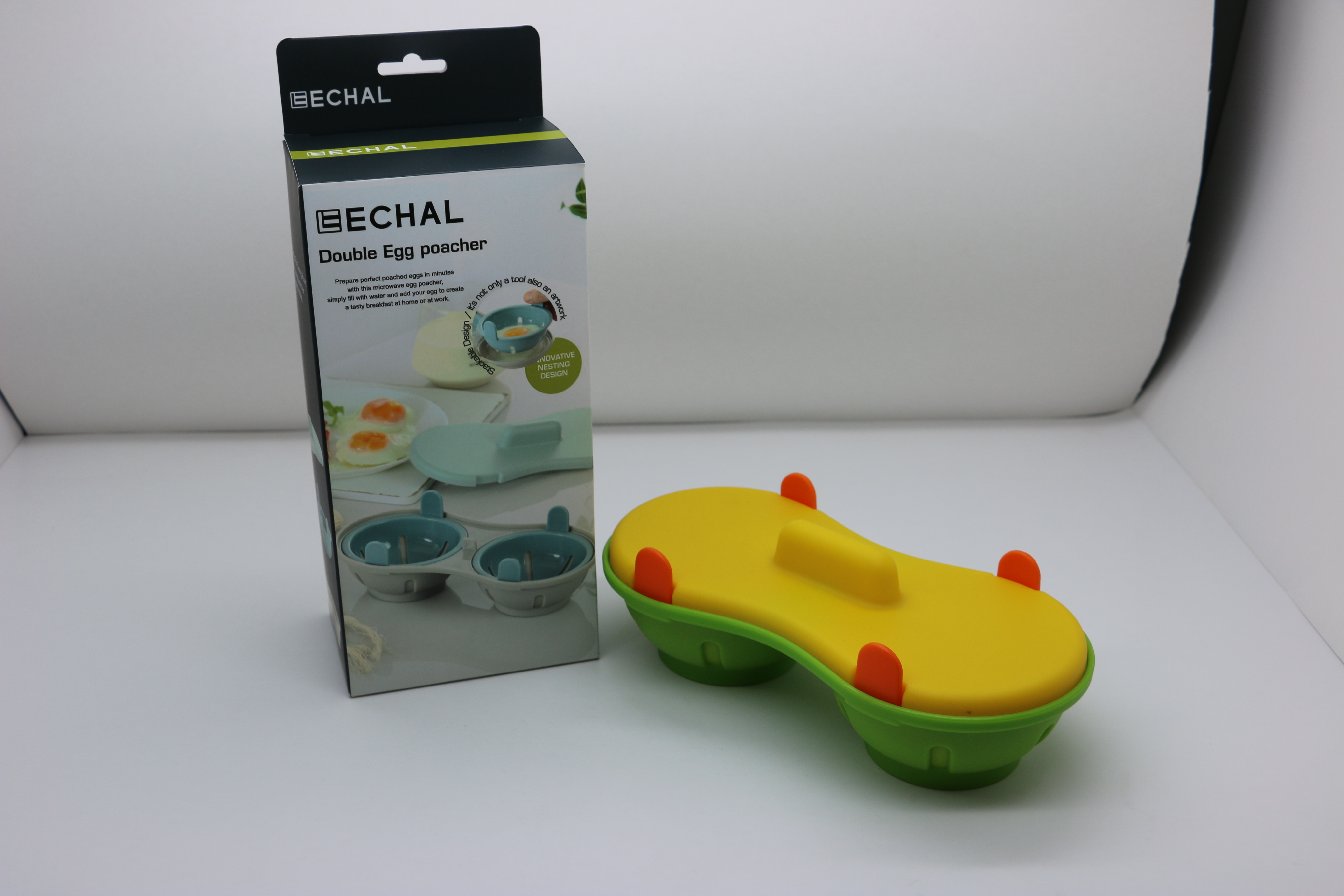
How to Source a Reliable Egg Poacher Manufacturer
Choosing an egg poacher manufacturer is not only about finding a low unit price. For retailers, kitchenware brands, hospitality suppliers, and promotional product buyers, the right partner should help you select a product that is practical for everyday cooking, consistent across batches, and suitable for your target market. This guide uses the Dual Egg Poacher with Streamlined Lid as a reference point and explains what B2B buyers should review before placing wholesale or OEM inquiries.
Key Takeaways
- Focus on product usability, cleaning, packaging, and batch consistency before discussing volume pricing.
- Ask suppliers to clarify materials, temperature limits, test reports, and care instructions instead of assuming specifications.
- A dual egg poacher can be attractive for breakfast-focused households, cafes, hospitality amenities, and general kitchenware ranges.
- For OEM or wholesale sourcing, confirm samples, lead time, carton details, labeling options, and inspection process in writing.
Understanding the Product: Dual Egg Poacher with Streamlined Lid
The original Bonet Houseware article highlights a Dual Egg Poacher with Streamlined Lid. Its core appeal is simple: it is designed to poach two eggs at the same time. For consumers, that can make breakfast preparation faster and more predictable. For B2B buyers, the two-egg format is also easy to explain on a retail shelf, marketplace listing, catalog page, or hospitality supply sheet.
Several explicit design details are worth noting. The product is described as having a dual-construction design intended to support even heat distribution and water circulation. Strategically placed slits are also mentioned, which suggests that controlled water movement is part of the cooking concept. A secure tray with clips is described as helping hold the cups in place. The product also has a blue aesthetic and an ergonomic handle. These are useful talking points, but buyers should still request current product samples and written specifications before making claims in their own sales materials.
What B2B Buyers Should Ask an Egg Poacher Supplier
When speaking with an egg poacher supplier, treat the first conversation as a fact-finding session. Avoid relying on assumptions about materials, compliance, or performance. A professional inquiry should include questions that help you evaluate whether the product fits your market, channel, and packaging requirements.
- What materials are used for the lid, cups, tray, handle, and clips?
- What cooking methods is the product intended for, and what use limitations should be printed in the instructions?
- Are care instructions available for hand washing, dishwasher use, storage, and stain prevention?
- Can the supplier provide current product photos, packaging artwork templates, and sample lead time?
- What options are available for private label, color selection, carton labeling, or instruction sheet customization?
- How are products inspected before shipment, and what defects are checked during packing?
These questions do not require the supplier to make exaggerated promises. Instead, they create a clear record of what is being offered and what the buyer must verify before purchase.
Comparison Checklist for Wholesale Evaluation
The table below can help procurement teams compare different egg poacher options. It is especially useful when several suppliers appear similar at first glance.
| Evaluation Point | Why It Matters | Question to Ask |
|---|---|---|
| Egg capacity | Determines the target user and perceived convenience | Is the item designed for one, two, or more eggs? |
| Lid and water flow design | Affects cooking consistency and user experience | How do the lid shape and slits support water circulation? |
| Tray stability | Helps reduce movement during cooking and handling | How do the clips secure the cups in place? |
| Handle design | Influences safe and comfortable handling | What is the intended way to lift or move the poacher? |
| Cleaning guidance | Reduces complaints and returns after purchase | What cleaning method is recommended by the supplier? |
| Packaging readiness | Important for retail, e-commerce, and wholesale distribution | Are gift box, inner carton, and master carton details available? |
Wholesale and OEM Considerations
Egg poacher wholesale sourcing can support many channels, including retail stores, online kitchenware shops, hotels, cafes, and food-service distributors. However, buyers should separate three topics: product quality, commercial terms, and customization. A low quotation is not useful if the packaging is weak, the instructions are unclear, or the sample does not match the final shipment.
For OEM projects, ask whether the supplier can support your requested branding and packaging format. If you need a specific color, logo placement, instruction language, barcode, or retail box structure, provide a detailed brief. Ask the manufacturer to confirm feasibility, sample cost, sample timing, artwork requirements, production lead time, and approval steps. If you require market-specific compliance documents, request them directly and review whether they are current and relevant to your destination market.
How to Review Samples Before Ordering
Sample evaluation should be practical. Do not judge the item only by appearance. Test how easily the cups fit into the tray, how firmly the clips hold them, and whether the lid aligns properly. Check whether the handle feels comfortable in normal use. Review whether water circulation features, such as slits, are cleanly formed and easy to rinse after cooking.
It is also wise to share samples with the people who will sell or use the product. A retail buyer may focus on packaging and shelf appeal, while a hospitality buyer may care more about repeat use and simple instructions. If the product will be sold online, inspect whether the design can be photographed clearly from multiple angles and whether the product benefits can be explained without making unsupported claims.
Positioning the Product for Your Customers
A dual egg poacher is easiest to position around convenience, portion control, and a cleaner poaching process compared with free-form poaching in a pan. For consumer-facing listings, explain the basic use case: preparing two poached eggs for breakfast, brunch, salads, toast, or meal prep. Avoid vague language and focus on what the product actually does.
If you are a distributor or retailer, create product content that includes capacity, included parts, intended use, care guidance, and safety notes supplied by the manufacturer. If a feature is not confirmed in writing, do not add it to the listing. Accurate content protects your brand, reduces customer confusion, and makes organic search traffic more likely to convert.
Practical FAQ
What should I verify before choosing an egg poacher manufacturer?
Verify the product structure, materials, packaging, care instructions, sample availability, inspection process, and any documents required for your sales market. Ask for written confirmation rather than relying on verbal claims.
Is a dual egg poacher suitable for wholesale channels?
Yes, a two-egg poacher can fit many kitchenware ranges because the use case is easy to understand. It may suit retailers, online sellers, hospitality suppliers, and breakfast-focused food-service buyers.
Can I request OEM packaging or private labeling?
Many kitchenware suppliers may offer customization, but options vary. Ask about logo placement, color choices, packaging templates, artwork approval, sampling, lead time, and any minimum order requirements.
What product claims should I avoid unless confirmed?
Avoid claiming specific material grades, certifications, temperature limits, dishwasher safety, test results, or compliance status unless the supplier provides current documentation that supports those statements.
How can I reduce problems after receiving a wholesale shipment?
Approve a pre-production sample, define acceptable quality criteria, confirm packaging details, and arrange inspection before shipment. Clear communication before production is more effective than solving disputes afterward.
