




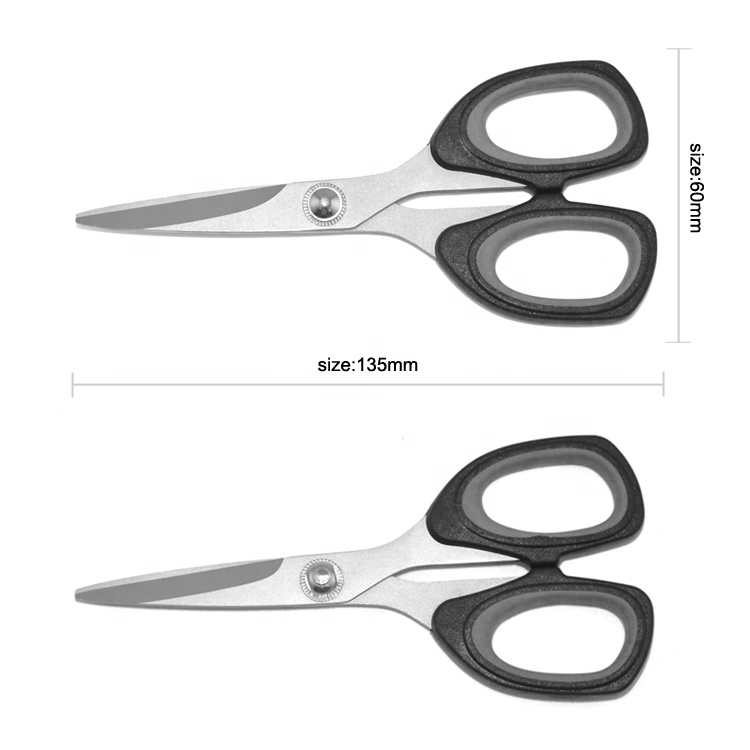
Effortless Cutting with Household Scissors with Soft Handle
Household scissors are used for many small jobs that happen every day: opening packaging, trimming paper, cutting cardboard, preparing craft materials, or handling simple fabric tasks. When those jobs become repetitive, handle comfort matters as much as blade sharpness. Scissors with a soft handle are designed to make cutting feel steadier and less tiring, especially when users need a reliable tool for more than a quick snip.
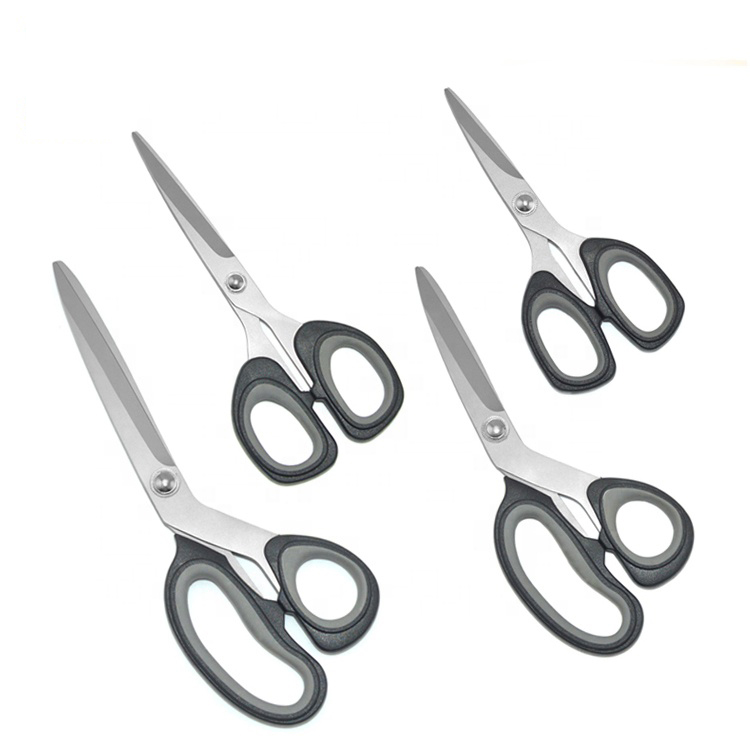
For retailers, importers, and OEM buyers, this category is not only about appearance. A good household scissor should be easy to hold, consistent in cutting performance, and suitable for the materials described in the product listing. The original product description highlights soft handles, ergonomic use, stainless steel blades, a sleek matte finish, and suitability for tasks such as fabric and cardboard cutting. The guide below explains how to evaluate those points without relying on vague marketing claims.
Key Takeaways
- Soft handle scissors can improve comfort during repeated household, craft, and light utility cutting tasks.
- Stainless steel blades are a useful feature, but buyers should ask suppliers about blade thickness, edge retention, and corrosion-care recommendations.
- For OEM or wholesale sourcing, request samples and test them on the same materials your customers are likely to cut.
- Do not judge scissors by handle feel alone; pivot movement, blade alignment, packaging, and quality consistency are also important.
What Makes Soft Handle Household Scissors Useful?
A soft handle helps distribute pressure across the fingers and thumb. This is helpful when cutting thicker paperboard, repeated strips of fabric, or packaging materials that require more grip force. Compared with hard plastic handles, a soft-touch grip may feel more forgiving and can help reduce hand fatigue during longer sessions.
The benefit is most noticeable when the handle shape fits a broad range of users. Household scissors are often shared by family members, office staff, or craft teams, so the handle opening should not feel restrictive. The grip should also allow steady control without forcing the wrist into an awkward angle. For B2B buyers, this is a practical sample-check point: have several people try the same sample and note whether the handle remains comfortable after repeated cuts.
Everyday Cutting Tasks and Reasonable Use Limits
Soft handle household scissors are best positioned as versatile home and light utility tools. They can be used for paper, envelopes, food packaging, tags, thin cardboard, craft materials, and some fabric cutting. The original article also notes cardboard and fabric as typical materials. However, buyers should avoid overstating the product as a heavy-duty industrial cutter unless the supplier provides clear specifications and test evidence.
For retail product pages or packaging copy, it is better to use precise language such as “suitable for everyday household cutting tasks” rather than broad claims. If the scissors are intended for food packaging or kitchen drawer use, ask whether the supplier recommends any special cleaning or drying routine. If they are intended for sewing kits or craft sets, check how cleanly they cut threads, cotton fabric, and paper patterns.
Blade, Handle, and Finish Checks Before Buying
The original content states that the scissors use stainless steel blades. Stainless steel is commonly selected for household cutting tools because it can offer useful corrosion resistance and easy maintenance when properly cared for. Still, “stainless steel” alone does not tell a buyer everything. The cutting experience depends on blade geometry, edge finishing, pivot tightness, and how accurately the two blades meet.
The matte finish mentioned in the original article may support a simple, modern look, but finish should not distract from function. Inspect samples for burrs, uneven coating, rough handle seams, and any looseness at the pivot. Open and close the scissors slowly; the motion should feel smooth, not gritty or unstable. When cutting, the blades should not push material away or leave ragged sections.
Comparison and Sample Inspection Checklist
| Check Point | What to Look For | Question to Ask the Supplier |
|---|---|---|
| Handle comfort | Soft grip, smooth edges, enough room for fingers | What handle material is used, and can it be customized? |
| Blade performance | Clean cuts on paper, packaging, thin cardboard, and fabric samples | What blade material and edge process are used? |
| Pivot movement | Smooth opening and closing without excessive looseness | How is pivot consistency checked during production? |
| Surface finish | Even matte appearance, no sharp burrs or visible defects | What cosmetic defect standard applies to bulk orders? |
| Packaging | Safe blade coverage and clear consumer information | Can packaging be adapted for retail, OEM, or wholesale needs? |
| Order consistency | Samples match the intended bulk product | Can pre-production and shipment samples be provided? |
OEM and Wholesale Sourcing Guidance
For OEM scissors, buyers should define the product brief before requesting pricing. A clear brief helps avoid misunderstandings and makes supplier quotations easier to compare. Include the intended market, target retail channel, preferred handle color, blade finish, packaging style, logo requirements, and the materials the scissors should cut in normal use.
Because commercial details vary by project, buyers should ask direct questions instead of assuming capacity, minimum order quantity, certifications, or lead time. Useful questions include:
- What customization options are available for handle color, logo placement, and packaging?
- Can the supplier provide samples made with the same materials and finish as bulk production?
- What quality checks are performed for blade alignment, sharpness, pivot strength, and appearance?
- Which documents, if any, can be provided for the target market or retailer requirements?
- How are product defects handled if bulk goods do not match the approved sample?
It is also wise to test samples internally before confirming an OEM order. Use the same cutting materials your customers are likely to use, and record results with photos or notes. A simple test sheet can reduce disputes later because it creates a shared standard for what “acceptable cutting performance” means.
Care and Use Tips for End Users
For consumer-facing listings, include practical care instructions. Household scissors should be kept clean and dry after use, especially if they contact tape residue, moisture, or food packaging. Wipe the blades with a dry cloth, avoid twisting cuts through hard materials, and store the scissors in a drawer or holder where the edges will not be damaged.
Users should not cut wire, metal sheet, bones, or other materials outside the intended household range unless the product is specifically designed for that purpose. Misuse can dull the edge, loosen the pivot, or damage the handle. If the scissors begin to feel sticky, cleaning adhesive residue from the blades may restore smoother operation.
Practical FAQ
Are soft handle scissors better than hard handle scissors?
They can be more comfortable for repeated cutting because the grip feels more forgiving under pressure. The best choice still depends on blade quality, handle shape, and intended use.
Can these scissors cut fabric and cardboard?
The original product description mentions use on fabric and cardboard. For sourcing or resale, test samples on the exact material thickness your customers are likely to cut.
What should OEM buyers confirm before placing an order?
Confirm material details, sample approval process, packaging requirements, quality inspection points, customization options, and how the supplier handles defects or product changes.
How should household scissors be maintained?
Keep them clean and dry, remove adhesive residue after cutting tape or labels, avoid hard materials outside the intended use, and store them safely to protect the blade edges.
Is a matte finish only decorative?
A matte finish can support a clean appearance, but buyers should also inspect function. Smooth cutting, safe edges, reliable pivot movement, and consistent bulk quality are more important than appearance alone.
