




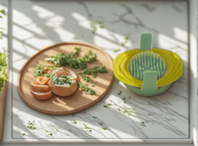
The Art of Egg Cutting: A Practical Guide to Egg Slicers
Cutting boiled eggs neatly is harder than it looks. A kitchen knife can work, but soft yolks often crumble, whites can slide on the board, and each slice may come out a different thickness. For salads, sandwiches, lunch boxes, and simple garnishes, a dedicated egg slicer tool gives home cooks a faster and more consistent way to prepare eggs.
This guide explains what an egg slicer does, when it is better than a knife, which features are worth checking, and how to use and clean the tool properly. It is written for practical everyday cooking rather than decorative display only, because the best kitchen tools are the ones that save time without creating extra work.
Key Takeaways
- An egg slicer is most useful for firm, fully cooled boiled eggs.
- Uniform slices improve texture and distribution in salads, sandwiches, and toppings.
- Look for a stable base, taut slicing wires, a comfortable press, and easy cleaning.
- Do not force oversized, undercooked, frozen, or hard foods through the wires.
- Cleaning soon after use helps prevent yolk residue from drying around the wires.
What an Egg Slicer Does Best
An egg slicer is designed to hold a boiled egg in place while a row of fine wires or blades cuts through it in one motion. The main benefit is consistency. Instead of guessing each cut with a knife, the tool creates slices of similar thickness, which helps eggs sit evenly on bread, mix more predictably into salads, and look tidy on a serving plate.
The original appeal of an egg slicer is simple: it turns a delicate ingredient into clean pieces with less effort. This is especially helpful when preparing several eggs at once for egg salad, Cobb salad, noodle toppings, breakfast plates, or party trays. It also reduces direct contact with the egg, which can make food preparation feel cleaner and more efficient.
Egg Slicer vs. Knife: Which Should You Use?
A sharp knife is still useful in any kitchen, but it is not always the easiest tool for boiled eggs. The table below compares common preparation needs.
| Task or Priority | Egg Slicer | Knife |
|---|---|---|
| Even slices for presentation | Very consistent when the egg fits the base | Depends on knife skill and egg firmness |
| Speed for multiple eggs | Fast, repeatable one-press action | Slower, especially for uniform cuts |
| Cutting halves or wedges | Possible only if the design supports it | Easy and flexible |
| Soft or jammy yolks | May smear or compress the egg | Better control with a clean, sharp blade |
| Cleaning after use | Needs attention around wires and hinges | Simple blade and board cleanup |
| Other ingredients | Limited to suitable soft foods | Works for many foods |
For daily cooking, the choice does not need to be either-or. Use an egg slicer when uniform pieces matter and the egg is firm. Use a knife when you want larger chunks, decorative wedges, or more control over softer yolks.
How to Choose a Quality Egg Slicer Tool
Many egg slicers look similar at first glance, but small design differences can affect performance. Before buying, check the following points:
- Stable base: The egg should sit securely without rocking. A shallow or slippery base can cause uneven cuts.
- Taut slicing wires or blades: Wires should feel firm, not loose. Loose wires can drag through the egg and break the yolk.
- Comfortable handle or press: The top section should close smoothly without requiring excessive force.
- Easy-to-clean design: Food residue often collects where wires meet the frame, so simple access matters.
- Compact storage: If drawer space is limited, check the tool’s size and whether it can be stored flat.
- Suitable use instructions: Confirm whether the supplier recommends hand washing or allows dishwasher cleaning. Do not assume unless it is stated on the product information.
Some slicers are designed only for straight slices. Others may allow the egg to be turned and sliced again to create small strips or dice. If you want diced egg for salads, check whether the base shape and wire strength support a second pass without crushing the egg.
How to Slice Eggs Cleanly
The best slices start before the egg reaches the tool. Use eggs that have been boiled until the whites are fully set, then cool and peel them carefully. Warm eggs can be softer and more likely to tear. Very fresh boiled eggs may also be harder to peel cleanly, which can affect appearance.
To use the slicer, place the peeled egg lengthwise or crosswise in the cradle, depending on the slice shape you want. Lower the handle in one steady motion rather than pressing halfway, stopping, and pressing again. A smooth movement helps the wires pass through the white and yolk evenly. Lift the handle, remove the slices gently, and repeat with the next egg.
If yolk sticks to the wires, wipe or rinse the tool before slicing more eggs. A clean cutting surface gives better results, especially when preparing food for guests or plated dishes.
Practical Ways to Use Sliced Eggs
Evenly sliced eggs are useful in everyday meals, not just special presentations. Try them in these simple applications:
- Green salads: Slices spread protein across the bowl more evenly than large chunks.
- Sandwiches and toast: Flat slices layer neatly and reduce slipping when you bite.
- Rice or noodle bowls: Uniform pieces make toppings easier to portion.
- Appetizer plates: Clean slices can be arranged with vegetables, pickles, or cold meats.
- Egg salad prep: Slice once, rotate the egg, and slice again if your slicer can handle a second pass.
For deviled eggs, a slicer is usually not the main tool because the eggs need to be halved lengthwise. However, sliced egg can still be used as a garnish for related platters, breakfast boards, and cold side dishes.
Use and Care Tips for Longer Service
An egg slicer is simple, but it should still be treated as a precision tool. The wires are made for soft foods, not for forceful chopping. Avoid using it on hard vegetables, frozen food, bones, or any ingredient that requires pressure beyond normal boiled egg slicing. Excess force can bend wires, strain hinges, or damage the frame.
Clean the slicer soon after use. Rinse away egg white and yolk before they dry, then wash according to the product’s care instructions. If hand washing, use a soft sponge or brush around the wire anchors. Dry the tool before storing it, especially around tight joints where water can remain. If a dishwasher is allowed by the supplier, place the slicer where it will not be compressed by heavy cookware during the wash cycle.
Inspect the wires occasionally. If a wire becomes loose, bent, or broken, stop using the tool until it can be repaired or replaced. A damaged wire can create uneven slices and may be unsafe to handle.
Common Mistakes to Avoid
Most poor results come from using the right tool on the wrong egg. Undercooked eggs may collapse, while overcooked eggs with dry yolks may crumble. Peeling roughly can leave torn whites that never slice cleanly. Another common mistake is pressing too hard too fast. The goal is a controlled motion, not force.
Also avoid assuming every egg slicer has the same features. Some may be compact and basic, while others may have different cutting patterns or cleaning instructions. Read the product details carefully before purchase so the tool matches how you actually cook.
FAQ
Can an egg slicer cut more than eggs?
Some people use egg slicers for soft foods, but this depends on the tool design and supplier guidance. Only use it for ingredients that do not require force. Hard or dense foods can damage the wires.
Should eggs be hot or cold before slicing?
Fully cooled boiled eggs usually slice more cleanly. Warm eggs can be softer, and the yolk may smear on the wires.
Why does the yolk crumble when I slice eggs?
The egg may be overcooked, too dry, or not peeled cleanly. Loose wires or a hesitant pressing motion can also break the yolk.
Is an egg slicer dishwasher safe?
Only if the product instructions say so. If dishwasher suitability is not stated, hand washing is the safer assumption.
What should I ask before buying an egg slicer online?
Check the tool dimensions, cleaning instructions, cutting style, material information provided by the seller, and whether replacement or support is available if the wires are damaged.
Final Thoughts
An egg slicer is a small kitchen tool with a clear purpose: producing neat, even slices from boiled eggs with less time and less guesswork. It will not replace a knife for every task, but it is helpful when consistency, speed, and tidy presentation matter. Choose a stable, easy-to-clean design, use it with properly cooked eggs, and maintain it carefully so it remains reliable for everyday meal preparation.
