




Manual Garlic Chopper Guide: Uses, Care and Selection Tips
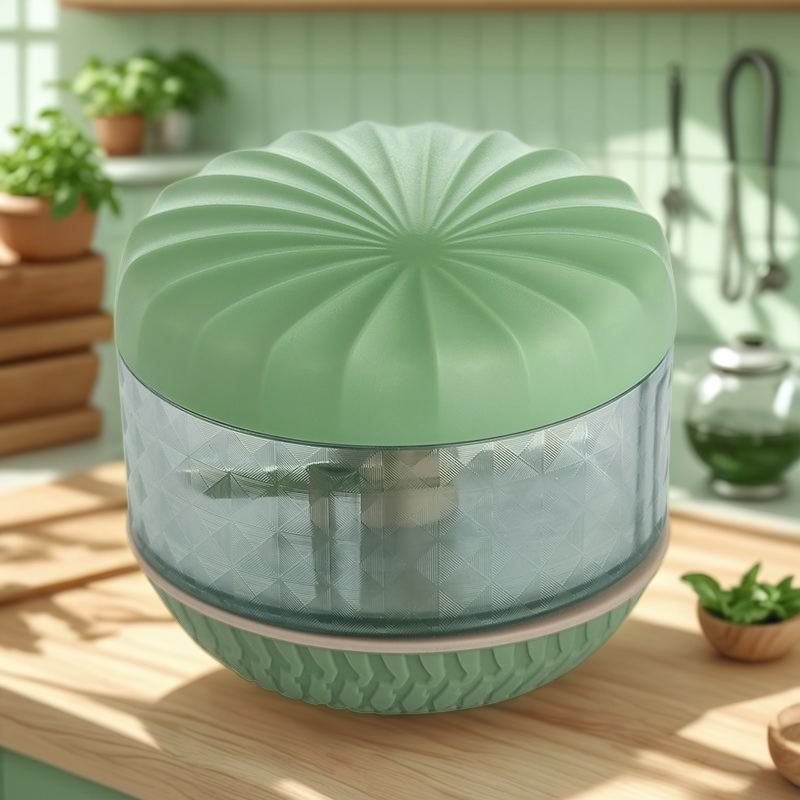
A manual garlic chopper, sometimes described as a garlic mincer, pull-string food chopper or small hand-powered prep tool, is designed for one simple purpose: making everyday chopping tasks quicker and less messy. The original product story described a compact mint-green device with a flower-petal patterned lid, a transparent chamber with a subtle diamond texture, visible blades, a textured base and a pull-string mechanism. Those details point to a tool made for small-batch prep rather than heavy processing.
For home cooks, the value is not only speed. Garlic can leave sticky fingers and a lingering smell, and knife-mincing often produces uneven pieces unless you have good knife skills. A small manual chopper can help create more consistent garlic pieces, reduce direct hand contact and handle extra tasks such as herbs, onions and small salsa batches. The key is understanding what this type of tool does well, what it does not replace and how to use it safely.
Key Takeaways
- A manual garlic chopper is best for small quantities of garlic, herbs, onion and similar soft ingredients.
- The pull-string mechanism gives the user control: fewer pulls for coarse chopping, more pulls for finer pieces.
- A transparent chamber helps you monitor texture before ingredients become over-processed.
- Easy disassembly matters because garlic oils and herb fragments can cling to blades and lid components.
- It is not a substitute for a full-size food processor when preparing large batches.
What This Garlic Chopper Is Designed to Do
This style of garlic chopper uses a hand-powered pulling action to spin internal blades inside a small chamber. Because it does not require electricity, it is useful for quick prep, small kitchens, occasional cooking and situations where washing a large appliance would feel unnecessary. The transparent body described in the original article is especially practical because it lets you see the cut size as you work.
The flower-petal lid and mint-green appearance are visual details, but the more important functional features are the pull mechanism, the stable textured base and the ability to take the unit apart for cleaning. A stable base reduces sliding during use, while disassembly helps remove food residue after chopping pungent ingredients.
Best Uses Beyond Garlic
Although garlic is the natural starting point, a small hand-powered chopper can be useful for many everyday ingredients. The original article mentioned herbs, onions and small batches of salsa, all of which fit the tool’s small-capacity purpose. The best results usually come from cutting larger ingredients into manageable pieces before adding them to the chamber.
- Garlic: Use peeled cloves. Pull a few times for a coarse chop or longer for a finer mince.
- Fresh herbs: Pat herbs dry first. Wet herbs may stick to the chamber and blades.
- Onion: Cut into smaller chunks before chopping to avoid uneven results.
- Small salsa batches: Add ingredients gradually and avoid overfilling so the blades can move freely.
- Ginger or similar aromatics: Cut into small pieces first, and check whether the tool feels strained.
Manual Chopper vs. Garlic Press vs. Knife
No single garlic tool is best for every kitchen. A garlic press is fast, a knife is versatile and a manual chopper sits between them by offering speed, control and use beyond garlic. The comparison below can help you decide when this tool is the right choice.
| Tool | Best For | Advantages | Limitations |
|---|---|---|---|
| Manual garlic chopper | Small-batch garlic, herbs, onion and salsa | Controlled texture, reduced hand contact, no electricity | Not ideal for large volumes or very hard ingredients |
| Garlic press | Quick crushed garlic for sauces and marinades | Fast and compact | Mainly single-purpose and can be harder to clean thoroughly |
| Knife and cutting board | Any quantity and many cutting styles | Most flexible method | Requires skill and direct handling of strong-smelling ingredients |
| Electric food processor | Larger batches and repeated prep | Powerful and fast for volume | More parts to wash and often unnecessary for a few cloves |
How to Use It for Better Results
Good results depend on loading the chamber correctly and using the pull action with control. Overfilling is the most common reason ingredients chop unevenly. A small chopper needs space for the ingredients to move and fall back into the blades.
- Peel garlic cloves or trim ingredients as needed.
- Cut larger pieces, such as onion sections, into smaller chunks before adding them.
- Place ingredients in the chamber without packing it tightly.
- Secure the lid fully before pulling the string.
- Pull in short, smooth motions rather than forcing the mechanism.
- Stop and check the texture through the transparent chamber.
- Empty the contents with care, keeping fingers away from the blades.
For coarse chopping, use fewer pulls. For finer garlic, use more pulls, but pause often. Once garlic is too fine or pasty, you cannot reverse the texture. If you need a precise dice for presentation, a knife may still be the better tool.
Cleaning and Care After Chopping Garlic
Garlic oils can cling to plastic surfaces, lid grooves and blades. Cleaning soon after use is easier than waiting until residue dries. If the unit disassembles, separate the safe-to-remove parts according to the product instructions. Do not assume every part is dishwasher safe unless the supplier or product documentation clearly states it.
Rinse loose food particles first, then wash with warm water and mild dish soap. Use a brush or sponge with caution around the blades. Dry the parts completely before reassembling to reduce trapped moisture. If odor remains, airing the chamber after washing can help. Avoid using abrasive pads that may scratch transparent surfaces and make future cleaning harder.
What to Check Before Buying
When selecting a manual garlic chopper, look beyond color and shape. A decorative lid may make the tool pleasant to keep on the counter, but practical details determine daily usefulness. If buying for a household, consider how often you cook with garlic and whether you also chop herbs, onions or salsa ingredients. If buying for retail, gifting or wholesale sourcing, request clear product information instead of assuming specifications.
- Is the chamber size suitable for your normal prep quantity?
- Can the unit be disassembled easily for cleaning?
- Does the base feel stable on a countertop during pulling?
- Can the supplier confirm the materials used for food-contact parts?
- Are care instructions, packaging details and replacement policies available?
- For wholesale orders, what are the MOQ, lead time, customization options and inspection process?
These questions are especially important because product listings sometimes emphasize appearance while leaving out practical details. A good supplier should be able to answer basic questions about materials, use limitations, cleaning guidance and packaging without making vague claims.
Practical FAQ
Can a manual garlic chopper replace a knife?
It can replace knife-mincing for many small prep tasks, but not all cutting. A knife is still better for slicing, precise dicing and large quantities.
Will it make garlic completely smooth?
Usually it produces chopped or minced garlic depending on how many times you pull the string. If you need a smooth paste, you may need a mortar and pestle, grater or another method.
Can I chop onions without tears?
It can reduce direct exposure compared with extended knife chopping, especially for small amounts. However, cutting the onion before loading the chamber may still release some vapors.
Is the transparent chamber only for appearance?
No. A transparent chamber is useful because you can monitor texture while chopping and stop before ingredients become too fine.
How do I avoid uneven chopping?
Do not overfill the chamber, cut large ingredients into smaller pieces first and use several short pulls while checking progress.
What should B2B buyers ask a supplier?
Ask about material details, packaging, cleaning instructions, available colors, customization, MOQ, production lead time, quality checks and whether documentation is available for the intended market.
Final Thoughts
A manual garlic chopper is a practical tool for cooks who want faster, cleaner prep without bringing out an electric appliance. The mint-green pull-string chopper described in the original article stands out visually, but its real usefulness comes from controllable chopping, a transparent chamber, compact size, stable base and easy cleaning. Choose it for small, frequent tasks, care for it promptly after use and confirm product details before buying in quantity.
