




Egg Poacher Manufacturer: Quality & Innovation in Kitchen Tools
For kitchenware retailers, distributors, private-label brands, and hospitality buyers, choosing an egg poacher manufacturer is not only about finding a product that looks appealing on a shelf. The right sourcing decision depends on product usability, material clarity, packaging options, wholesale reliability, and the supplier's ability to answer technical questions before an order is placed. A simple item such as a dual egg poacher set can still vary widely in cooking performance, cleaning convenience, lid fit, cup shape, and buyer support.
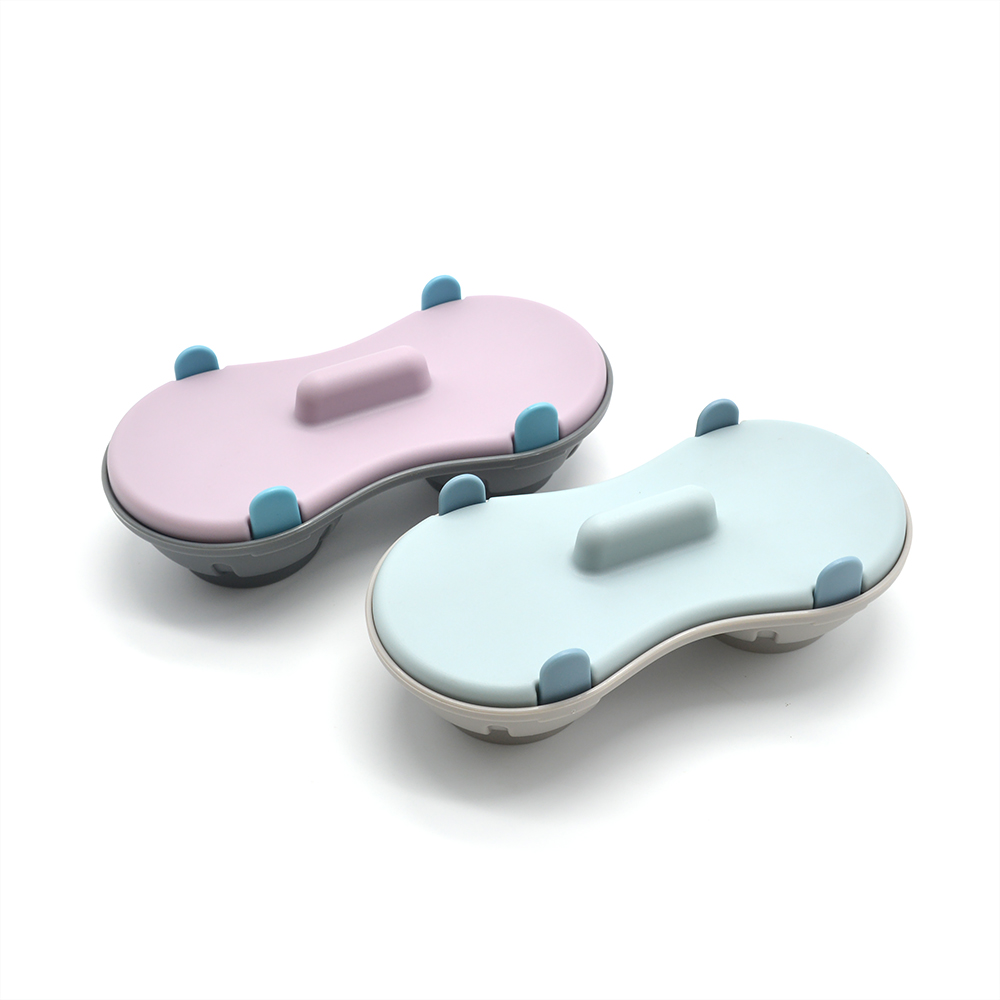
The original product focus is a Dual Egg Poacher Set with a greyish-blue design, dual-cup layout, vertical slots, gentle ridges, and a secure lid. These features suggest a product aimed at convenient everyday poaching, especially for consumers who want to prepare two eggs at once. For B2B buyers, the practical question is how to verify that these features are consistent across production, suitable for the intended sales channel, and clearly described in product listings, packaging, and after-sales materials.
Key Takeaways
- An egg poacher manufacturer should be evaluated on product consistency, material transparency, packaging support, and communication quality.
- For wholesale buyers, the Dual Egg Poacher Set's dual-cup format and secure lid are useful selling points only if they are backed by clear use instructions and quality checks.
- Do not rely on broad claims such as durable or food-safe without asking the supplier what material, test reports, and compliance documentation are available.
- Sample testing should include cooking performance, lid fit, cleaning, packaging durability, and consumer instruction clarity.
Understanding the Product and Search Intent
Buyers searching for an egg poacher manufacturer are usually comparing suppliers, planning a wholesale purchase, or developing a private-label kitchen tool range. Their goal is different from a consumer simply asking how to poach eggs. They need to know whether a supplier can provide stable product quality, clear specifications, practical packaging, and commercial support for repeat orders.
The Dual Egg Poacher Set described in the source is positioned as a compact tool for making two poached eggs at once. Its greyish-blue appearance may suit modern kitchenware assortments, while the vertical slots and secure lid are presented as features that help with water circulation and steam retention. When rewriting product content for organic search, these facts should be kept useful and specific, but not expanded into unverified claims about certifications, exact materials, temperature limits, or factory capacity.
What to Ask an Egg Poacher Manufacturer
Before treating any supplier as a long-term manufacturing partner, prepare a list of direct questions. A responsible egg poacher supplier should be able to explain what the product is made from, how the lid and cups are inspected, what packaging formats are available, and which documents can be provided for your target market. If a supplier cannot answer basic specification questions, that is a risk for both retail listings and customer service.
- What is the exact material used for the cups, lid, and any supporting parts?
- Are there available test reports or compliance documents for the intended sales region?
- Can the supplier provide samples from current production rather than only showroom samples?
- What packaging options are available for retail, online marketplace, or wholesale distribution?
- How are defects such as poor lid fit, rough edges, warping, or inconsistent color handled?
- What are the available customization options, and which details require an additional quotation?
Comparing Supplier Options
Not every egg poacher wholesale source serves the same type of buyer. Some suppliers focus on ready-to-ship stock, while others support OEM or private-label development. The best choice depends on your order size, timeline, quality requirements, branding needs, and risk tolerance.
| Supplier Type | Best For | Questions to Confirm |
|---|---|---|
| Manufacturer | Private-label buyers, repeat wholesale orders, product development | Can they provide material details, sample approval, packaging support, and production quality checks? |
| Trading supplier | Buyers comparing multiple kitchenware items in one order | Do they control quality inspection, or are they relying on another factory's standards? |
| Wholesale stock supplier | Retailers needing faster replenishment or smaller assortment tests | Is the product specification consistent from batch to batch? |
| OEM partner | Brands that need customized color, packaging, or product presentation | Which changes are available, and what are the costs, lead times, and approval steps? |
Evaluating the Dual Egg Poacher Set
The dual-cup design is a practical feature because it allows two eggs to be prepared at once. This can be useful for breakfast sets, brunch-focused kitchenware ranges, and retail bundles that target small households. The secure lid described in the original article may help retain steam, while the vertical slots are intended to support water circulation. Gentle ridges are also mentioned as helping maintain the eggs' natural shape.
For a buyer, these are not just marketing phrases. They should become sample-testing points. Check whether eggs release cleanly after cooking, whether the lid stays in place during use, whether the cups sit evenly, and whether the product can be cleaned without food residue being trapped in narrow areas. If a listing will describe the item as easy to clean or dishwasher-safe, ask the supplier to confirm the basis for that claim and provide documentation or care instructions suitable for your market.
Wholesale Buying Considerations
Egg poacher wholesale purchasing can reduce unit cost, but only when the buyer has verified demand and product reliability. A low price is not helpful if the item generates returns, unclear reviews, or complaints about instructions. Before placing a bulk order, test the product with the same packaging, labeling, and instruction leaflet that customers will receive.
Retail and ecommerce buyers should also consider carton strength, barcode requirements, product photography needs, language requirements, and whether the supplier can provide consistent color presentation. The greyish-blue design mentioned in the source may be attractive, but color consistency should still be checked with physical samples under normal lighting. If you plan to sell through online marketplaces, make sure your product detail page does not overstate features that the supplier has not verified.
Quality Checks Before Ordering
A structured quality checklist helps buyers avoid vague approval decisions. For an egg poacher set, inspection should cover both cooking performance and retail readiness. The goal is to confirm that the product is suitable for the claimed use and that customers can understand how to use it safely and correctly.
- Check the lid fit and confirm it closes securely without excessive force.
- Inspect the cups for smooth edges, stable shape, and consistent finish.
- Test cooking results with clear timing and water-level instructions.
- Confirm cleaning requirements and whether dishwasher use is supported by the supplier.
- Review packaging for protection during shipping and clear consumer instructions.
- Ask how the supplier records and resolves quality complaints after delivery.
Building Better Product Content
Strong organic search content should help buyers make decisions, not simply repeat promotional claims. Instead of saying an egg poacher set is perfect for every kitchen, describe how it works, what buyers should verify, and where it fits in a product assortment. Terms such as egg poacher manufacturer, egg poacher supplier, egg poacher wholesale, and dual egg poacher set can be used naturally when the article answers real sourcing questions.
For Bonet Houseware or any kitchenware supplier, the strongest content approach is practical and transparent. Keep confirmed product facts, avoid unsupported claims, and guide buyers toward sample testing, documentation review, and clear communication before placing an order.
FAQ
What should I ask an egg poacher manufacturer first?
Start with material details, sample availability, packaging options, compliance documents for your market, and the supplier's quality inspection process. These answers help you compare suppliers beyond price.
Is a dual egg poacher set better for wholesale buyers?
It can be a good option because it offers a simple consumer benefit: cooking two eggs at once. Buyers should still test ease of use, cleaning, lid fit, and packaging before ordering in bulk.
Can I request OEM or private-label packaging?
Many manufacturers may offer customization, but the available options, costs, lead times, and approval steps must be confirmed directly with the supplier before purchase.
Should I claim the product is food-safe or dishwasher-safe?
Only use those claims if the supplier provides clear confirmation and suitable supporting information. If details are missing, ask for documentation instead of assuming the claim is valid.
How can I reduce risk before a wholesale order?
Order production-representative samples, test the product in real cooking conditions, review packaging durability, confirm specifications in writing, and agree on inspection standards before shipment.
