




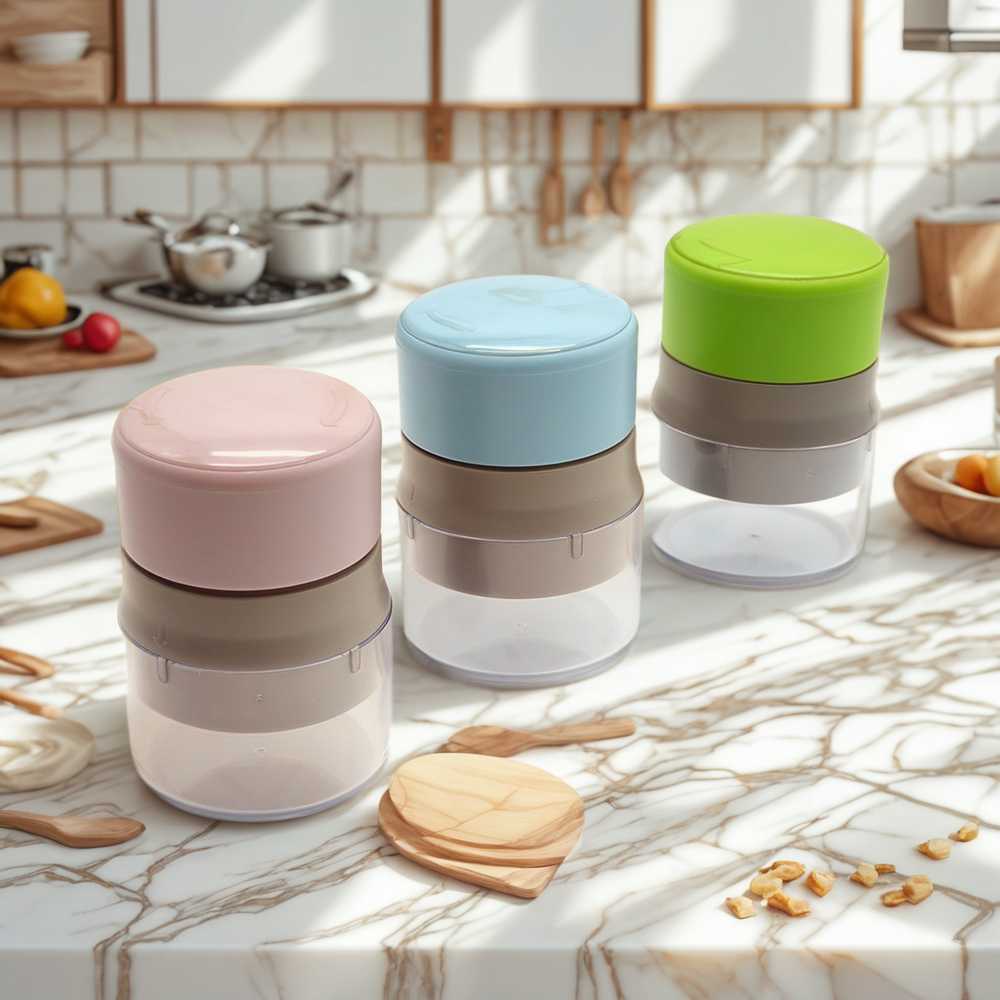
Multifunctional Garlic Masher: How to Choose and Use One Well
Garlic is used often, but preparing it can slow down an otherwise simple meal. A multifunctional garlic masher is designed to reduce that small but repeated task: crushing, chopping, or mashing garlic without pulling out an electric appliance or spending extra time with a knife. For home cooks, it can make everyday prep more consistent. For small food-service kitchens, it can help standardize a common ingredient step when only a small amount of garlic is needed.
The best choice is not always the largest or most complicated tool. A useful garlic masher should feel comfortable in the hand, process cloves evenly, clean without frustration, and store easily. Because product details vary by design, buyers should check the actual material, size, cleaning instructions, and mechanism before purchasing rather than assuming every manual garlic crusher performs the same way.
What a Multifunctional Garlic Masher Does
A multifunctional garlic masher is a manual kitchen tool used to break garlic cloves into a crushed or chopped texture. Some designs press garlic through small holes, some use a rocking motion, and others combine a container with internal cutting or crushing parts. The original purpose is simple: process garlic quickly while releasing aroma and flavor for cooking.
Many designs are also promoted as suitable for small ingredients such as ginger, fresh herbs, or nuts. That can be useful, but it depends on the strength of the tool and the size and hardness of the ingredient. Before using it beyond garlic, check whether the supplier recommends those uses and whether the mechanism is designed for them.
Why Use a Manual Garlic Crusher Instead of a Knife?
A knife offers the most control, especially for professional chopping techniques. However, a manual garlic crusher can be more convenient when speed, repeatability, and less direct contact with garlic are priorities. It is also helpful for cooks who want crushed garlic without setting up and washing an electric chopper.
- Speed: One or two cloves can often be processed faster than mincing by hand.
- Consistency: A fixed pressing or chopping mechanism can create a more repeatable texture.
- Control: Manual pressure lets the user stop when the garlic reaches the preferred coarseness.
- Compact storage: Most manual tools take less drawer space than powered appliances.
- Simple cleanup: A good design should rinse or brush clean without trapping too much residue.
Comparison Checklist for Choosing a Garlic Masher
Before buying, compare practical details rather than relying only on product photos. The table below shows what to check and why it matters.
| Selection Point | What to Check | Why It Matters |
|---|---|---|
| Operating style | Press, twist, rocker, or contained chopper design | Affects texture, effort, and how fast you can process garlic |
| Handle comfort | Grip shape, palm pressure, and stability during use | Reduces hand fatigue, especially when preparing several cloves |
| Cleaning access | Removable parts, open surfaces, or areas where garlic can lodge | Garlic residue dries quickly and can be difficult to remove |
| Ingredient capacity | How many cloves fit comfortably at one time | Too much garlic can cause uneven crushing or extra force |
| Storage size | Overall footprint and whether it fits in a drawer | Compact tools are easier to keep within reach for daily cooking |
| Supplier details | Material, care instructions, packaging, and replacement policy | Prevents surprises and helps compare similar-looking products |
How to Get Better Texture and Flavor
Garlic texture affects how it cooks. Finely crushed garlic releases more aroma and can brown quickly in hot oil. Coarser chopped garlic gives a milder bite and may be better for slow-cooked sauces or marinades. A multifunctional garlic masher can help, but technique still matters.
For best results, peel the cloves first unless the tool is specifically designed to separate skins. Trim dry root ends if needed. Avoid overfilling the chamber or pressing surface; smaller batches usually give a cleaner texture. If the garlic is very dry, it may fracture unevenly, while very fresh cloves may create more sticky residue. After mashing, scrape out the garlic promptly so it does not dry inside the tool.
Use-and-Care Tips for Daily Kitchens
Good care extends the life of any manual kitchen tool and keeps garlic flavor from lingering. Always follow the supplier's care instructions, especially if the product has coated parts, multiple materials, or a mechanism that should not be soaked for long periods.
- Rinse the masher soon after use, before garlic fibers dry onto the surface.
- Use a small brush or toothpick-style cleaning tool for holes, grooves, or corners.
- Dry thoroughly before storing to reduce odor buildup and protect moving parts.
- Do not force hard ingredients through the tool unless the supplier says it is suitable.
- Store it where the pressing or cutting surfaces will not be bent by heavier utensils.
When a Garlic Masher Is the Right Tool
A garlic masher works best when you regularly use small amounts of garlic and want a quick, compact prep method. It is practical for stir-fries, dressings, sauces, marinades, soups, and everyday home meals. It can also be useful in small commercial prep stations where a cook needs fresh garlic on demand instead of a large batch prepared in advance.
It may not be the best choice when a recipe requires precise knife cuts, when you need a large volume of garlic, or when the kitchen already uses a food processor for batch preparation. In those cases, a chef's knife, mortar and pestle, or powered processor may be more efficient.
Questions to Ask Before Purchasing
If you are comparing products online or sourcing for resale, ask clear questions before placing an order. Do not assume details that are not stated in the listing. Useful questions include: What material is used for the main body and pressing parts? Is the tool dishwasher safe, or is hand washing recommended? Are replacement parts available? What packaging options are offered? Can the supplier provide product dimensions, weight, and care instructions? If buying in bulk, ask about sample availability, lead time, customization options, and quality inspection process.
For wholesale or OEM inquiries, buyers should also request confirmed specifications in writing. If compliance, food-contact documentation, labeling, or market-specific packaging is required, ask the supplier what documents can be provided and whether third-party testing is available for the target market. These are sourcing questions to verify, not assumptions to make from appearance alone.
Key Takeaways
- A multifunctional garlic masher is most useful for quick, small-batch garlic preparation.
- Manual operation can give good texture control without the noise or setup of electric tools.
- Cleaning access, handle comfort, and capacity are more important than appearance alone.
- Use smaller batches and clean the tool promptly for better performance and less residue.
- For wholesale or OEM buying, confirm materials, packaging, care instructions, and documentation with the supplier.
FAQ
Can a garlic masher replace a knife?
It can replace a knife for many everyday crushed or chopped garlic tasks, but not for recipes that need exact slices, fine knife work, or decorative cuts.
Can it be used for ginger or herbs?
Some multifunctional designs may handle small pieces of ginger, herbs, or nuts, but this depends on the tool. Check the supplier's recommended uses before trying harder ingredients.
How do I stop garlic from sticking inside?
Use peeled cloves, avoid overfilling, and rinse the tool immediately after use. A small brush can help remove fibers from holes and corners.
Is a manual garlic crusher better than an electric chopper?
For one or two cloves, a manual crusher is often faster to set up and clean. For large batches, an electric chopper or food processor may be more efficient.
What should bulk buyers verify first?
Confirm material details, dimensions, packaging, cleaning instructions, sample availability, lead time, and any required food-contact documentation for the intended market.
