




Office Scissors for Crafting: How to Choose and Source the Right Pair
Office scissors are often treated as a basic desk item, but for crafting they can make a noticeable difference in cutting accuracy, comfort, and project consistency. Whether the end use is paper craft, classroom activity, office supply kits, hobby packaging, or light DIY work, buyers should look beyond appearance and consider how the scissors will perform over repeated use.
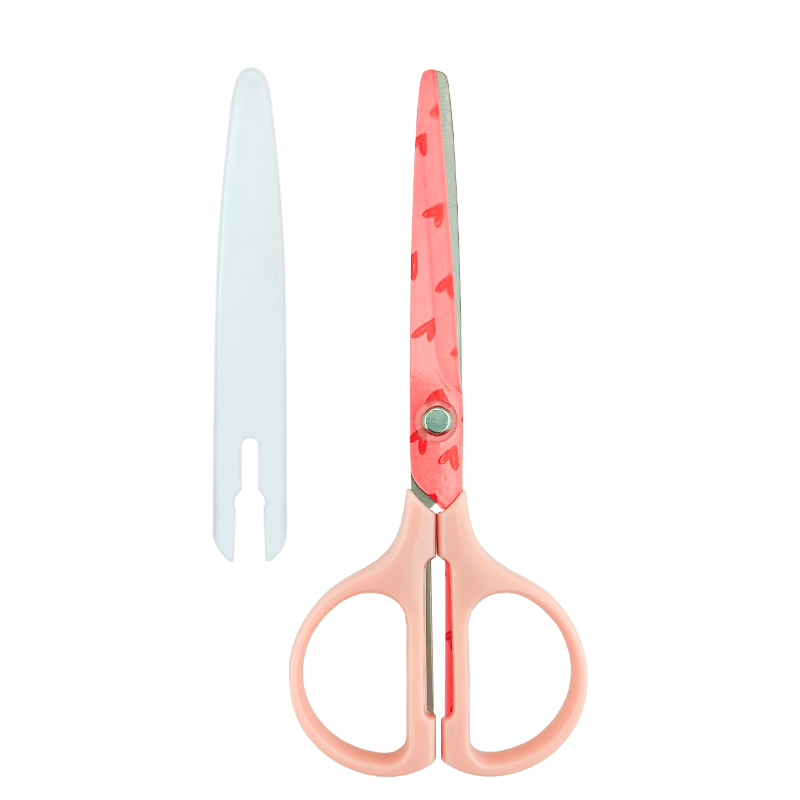
The original product description highlights a pair of office scissors designed for crafting, with elongated titanium-coated blades, a purple and white handle, and a cushioned grip. Those features can be useful, but the right buying decision depends on the material being cut, the expected user group, and the sourcing requirements of the business. This guide explains how to evaluate office scissors for crafting and what to ask when buying from a supplier or manufacturer.
Key Takeaways
- Crafting scissors should be judged by cut quality, blade durability, handle comfort, and suitability for the intended material.
- Titanium-coated blades, when specified by the supplier, may support durability and smooth cutting, but buyers should ask how the coating is tested.
- Comfort matters for schools, offices, craft studios, and promotional kits where users may cut for longer sessions.
- For wholesale or OEM sourcing, confirm packaging, inspection standards, sample availability, lead time, and customization options before ordering.
Why Office Scissors Matter for Crafting
Crafting often requires cleaner lines than ordinary office cutting. A rough cut may be acceptable for opening a parcel, but it can spoil paper models, labels, decorations, invitations, scrapbooking pieces, or classroom materials. A good pair of office scissors for crafting should feel controlled in the hand and move smoothly through the material without snagging or twisting.
For businesses, the selection also affects customer satisfaction. A stationery distributor, school supply buyer, craft kit assembler, or office products wholesaler needs scissors that are practical for a broad range of users. That does not always mean choosing the most expensive model. It means matching features to use case and verifying claims with the supplier.
Product Features to Evaluate
The article source describes an elegantly designed pair of scissors with elongated titanium-coated blades and purple and white handles with a cushioned grip. These details point to several useful selection criteria.
Blade length and shape influence control. Elongated blades can help with longer, straighter cuts through paper or light crafting sheets. Shorter blades may offer more control for very small curves, while longer blades are efficient for cutting larger pieces. Buyers should consider the main applications before selecting a blade size.
A titanium coating is presented in the source as a feature associated with durability, corrosion resistance, and smooth cutting. When sourcing commercially, do not rely only on the wording in a catalog. Ask the supplier what the base blade material is, how the coating is applied, whether the coating has been tested for wear, and what materials the scissors are recommended to cut.
Handle comfort is also important. A cushioned grip can help reduce pressure during longer use, especially in classrooms, craft workshops, and offices where scissors may be shared. If the scissors are intended for both left- and right-handed users, ask the supplier to confirm whether the handle and blade geometry are truly ambidextrous or simply comfortable for many users.
Comparison Checklist for Buyers
| Selection Point | What to Check | Why It Matters |
|---|---|---|
| Blade design | Length, tip shape, edge sharpness, and recommended materials | Affects accuracy, smoothness, and user control |
| Coating | Whether the blade is titanium-coated and how the coating is verified | Helps buyers understand durability claims |
| Handle comfort | Cushioned grip, finger opening size, and pressure points | Improves usability during repeated cutting |
| User fit | Right-handed, left-handed, or ambidextrous suitability | Important for schools, offices, and shared tool kits |
| Packaging | Retail card, bulk pack, private label, barcode, and carton details | Impacts resale, warehouse handling, and display |
| Quality control | Cut test, visual inspection, hinge smoothness, and sample approval | Reduces returns and inconsistent batches |
How to Match Scissors to Crafting Uses
Different buyers have different priorities. A craft retailer may want an attractive handle color and retail-ready packaging. A school supplier may focus on comfort, safe handling, and consistent quality across large quantities. An office distributor may want a general-purpose item that can also handle occasional craft work.
Use the following approach before placing a sourcing inquiry:
- Define the primary material: paper, cardstock, labels, thin fabric, ribbon, or mixed office materials.
- Decide whether users need long straight cuts, detailed curves, or general cutting.
- Confirm the target buyer: children, office staff, hobby crafters, teachers, or promotional kit users.
- Request product samples and test them on the actual materials your customers use.
- Check whether the handle remains comfortable after repeated cutting, not just during a quick sample review.
Office scissors can be versatile, but they are not automatically suitable for every craft material. If customers will cut adhesive sheets, thick cardboard, foam, or fabric, ask the supplier whether the product is designed for those uses. This avoids overstating performance and helps prevent complaints.
Questions to Ask an Office Scissors Supplier
When sourcing from an office scissors supplier, especially for wholesale, OEM, or private label projects, clear questions are more useful than general promises. If you plan to buy office scissors from China or another manufacturing market, ask for details that can be compared across suppliers.
- What is the blade material and is the blade titanium-coated as described?
- What cutting materials are recommended and which materials should be avoided?
- Can you provide samples before bulk ordering?
- What quality checks are performed before shipment?
- Can the handle color, logo, or packaging be customized?
- What are the available packing methods for retail and bulk distribution?
- What is the expected production lead time after sample approval?
- What information is required for a quotation, such as quantity, packaging, and destination?
A reliable supplier should be able to answer these questions clearly. If a claim sounds broad, such as suitable for all crafts or guaranteed to last for years, request supporting information or narrow the claim to specific tested use cases.
Wholesale and OEM Sourcing Considerations
For B2B buyers, the product is only one part of the decision. The purchasing process should also account for consistency, packaging, and communication. A small difference in handle molding, hinge tension, or blade finishing can affect how the scissors feel. For that reason, sample approval and batch inspection are important.
Private label buyers should prepare artwork requirements early. Confirm logo placement, color matching method, packaging layout, barcode needs, carton markings, and any retailer-specific labeling requirements. Do not assume that a supplier can meet all requirements without reviewing files and confirming feasibility.
Importers should also ask what documents the supplier can provide. Avoid assuming certifications or compliance unless the supplier provides valid documentation for the target market and product type. If safety, chemical, or labeling regulations apply in your country, verify them with qualified compliance support before shipment.
Care and Use Tips for End Users
Even well-made office scissors perform better when used properly. Include simple care guidance in product listings, packaging, or customer support materials. Users should keep the blades clean and dry, avoid cutting materials beyond the intended range, and store scissors closed when not in use. If adhesive residue builds up, it should be removed carefully according to the supplier’s care instructions.
For shared settings such as classrooms and offices, assign scissors by use. A pair used to cut tape or rough packaging may not remain ideal for clean paper craft. Separating general utility scissors from craft scissors helps preserve cutting quality.
Practical FAQ
Are office scissors good for crafting?
Yes, office scissors can work well for many paper and light craft tasks if they have sharp blades, comfortable handles, and smooth cutting action. For specialized materials, confirm suitability with the supplier.
What does a titanium-coated blade do?
The source product describes titanium-coated blades as supporting durability, corrosion resistance, and smooth cutting. Buyers should ask the supplier how the coating is specified and tested.
Can one pair suit both left- and right-handed users?
Some handle designs may be comfortable for a wide range of users, but true left- and right-hand suitability should be confirmed with the supplier and checked during sample testing.
What should wholesale buyers test before ordering?
Test cutting smoothness, blade alignment, hinge movement, handle comfort, packaging quality, and performance on the materials your customers will actually use.
Is it better to choose appearance or performance?
Both matter, especially for retail products, but performance should come first. Attractive colors and packaging help sales, while reliable cutting and comfort help reduce returns and complaints.
Conclusion
Choosing office scissors for crafting is not only about selecting a sharp pair. Buyers should evaluate blade design, coating claims, handle comfort, user suitability, and supplier reliability. The purple and white titanium-coated scissors described in the original article may fit many craft and office scenarios, but commercial buyers should confirm specifications, samples, packaging, and quality checks before committing to bulk orders. A careful sourcing process leads to a better product experience for end users and fewer surprises for distributors, retailers, and office supply buyers.
