





Tailor Scissors Made in China: Practical Sourcing Guide
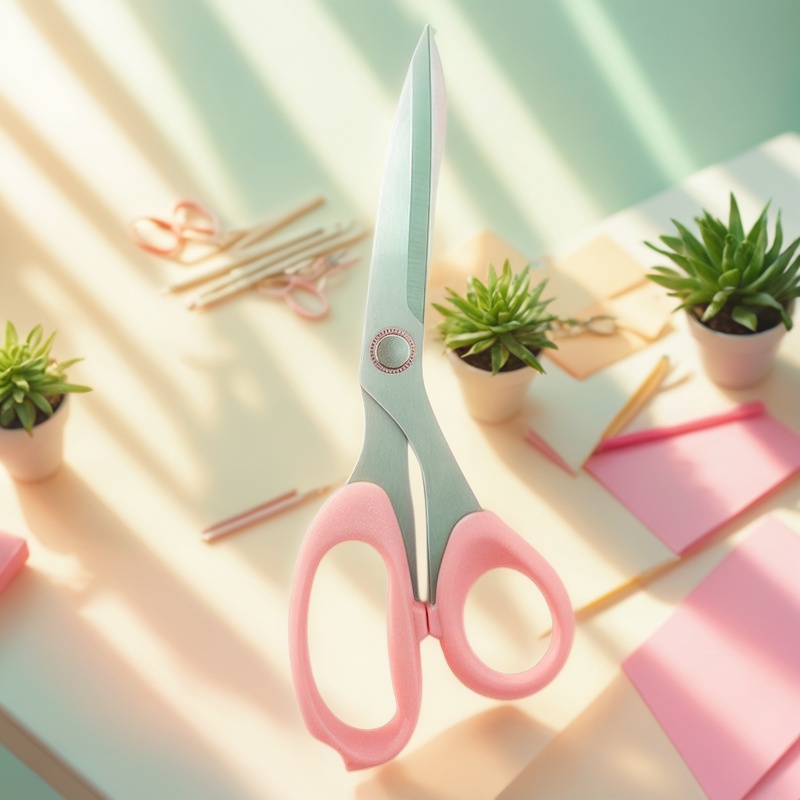
Tailor scissors are simple tools, but a poor pair can slow down pattern cutting, damage fabric edges, and cause hand fatigue during long work sessions. The original product introduction for the SleekCraft Rose Blush Scissors highlights three useful facts: the scissors are made in China, they use durable stainless steel blades, they have a soft rose-hued ergonomic grip, and they include a pivot screw for tension adjustment. Those details make the product relevant for sewing, crafting, office work, and general fabric cutting, but buyers still need a clear evaluation process before placing a wholesale, OEM, or repeat purchasing order.
This guide explains how to assess tailor scissors made in China without relying on vague claims. It is written for importers, sewing studios, private-label buyers, craft retailers, and professional users who need practical selection criteria.
Key Takeaways
- Start with cutting performance on the actual materials your customers use, not only on paper samples.
- Ask suppliers to confirm blade material, hardness range, finish, handle material, packaging options, and inspection standards.
- For professional use, tension adjustment and handle comfort are as important as sharpness.
- Do not assume compliance, capacity, MOQ, or warranty terms; request written details from the supplier.
- Use samples to check edge alignment, burrs, handle fit, screw stability, and fatigue during repeated cutting.
What Makes Tailor Scissors Different?
Tailor scissors are designed for controlled cutting along fabric, patterns, thread, and related workshop materials. Compared with general household scissors, a good pair should keep the fabric flat, cut cleanly from heel to tip, and allow the user to follow curves without excessive pressure. The SleekCraft Rose Blush Scissors are described as professional tailor scissors with stainless steel blades and an adjustable pivot screw, both of which are relevant details for buyers evaluating performance.
However, the term "professional" should be verified by use. A supplier may present a product as suitable for sewing, crafting, or office use, but buyers should test it against their own target market. For a tailoring school, a comfortable handle may be a top priority. For a craft retailer, packaging and safe handling may matter more. For an OEM buyer, consistency across production batches is critical.
Blade Quality: What Buyers Should Check
The original description states that the blades are made from durable stainless steel. Stainless steel is commonly valued because it can resist corrosion better than many untreated steels, but the exact grade, heat treatment, and edge finishing affect performance. Because those details are not stated in the source, buyers should ask the supplier for confirmation rather than assuming a specific material grade.
During sample evaluation, test the scissors on lightweight cotton, denim scraps, felt, paper patterns, ribbon, and any other material relevant to your customers. A useful pair should cut cleanly near the tip as well as near the handle. Check whether the blades push fabric instead of slicing it, whether the cut edge frays excessively, and whether the screw loosens after repeated use.
Ergonomics and Handle Design
The rose-hued grip is more than a visual detail if it supports comfortable handling. The original article describes the handle as soft and ergonomic, intended to reduce hand fatigue during longer projects. For buyers, this should be assessed across different hand sizes and cutting habits. Some users cut with the full length of the blade, while others make short precision cuts around patterns.
Ask sample testers to use the scissors for at least several repeated cutting tasks. Note pressure points around the thumb and fingers, whether the handle surface feels slippery, and whether the opening angle suits the intended user group. A comfortable tool can reduce strain, but comfort is subjective, so feedback from several users is more reliable than one opinion.
Comparison Checklist for Sourcing
When comparing tailor scissors made in China, use a structured checklist. This helps prevent decisions based only on color, price, or product photos.
| Evaluation Point | What to Check | Questions to Ask the Supplier |
|---|---|---|
| Blade material | Stainless steel is stated, but grade is not specified | What steel grade and heat treatment are used? |
| Cutting performance | Clean cuts on target fabrics from heel to tip | Can samples be tested before bulk order confirmation? |
| Pivot screw | Smooth opening, stable tension, aligned blades | Is the screw adjustable by the user, and how is it inspected? |
| Handle comfort | Grip shape, softness, pressure points, hand fit | What handle material is used, and are color options available? |
| Packaging | Protection for blade tips and retail presentation | What packaging formats can be supplied for wholesale or OEM? |
| Quality control | Surface finish, burrs, alignment, sharpness consistency | What inspection criteria are used before shipment? |
OEM, Wholesale, and Supplier Evaluation
If the purchase is for wholesale distribution or private label, supplier evaluation should go beyond a single attractive product listing. Ask whether branding, packaging, color matching, barcode labeling, and carton marking are available. Do not assume that customization is included; confirm tooling needs, artwork requirements, lead time, sample cost, and minimum order quantity directly with the supplier.
Buyers should also request information about production consistency. Important questions include: How is blade sharpness checked? How is handle color controlled between batches? What happens if a shipment includes loose pivot screws or misaligned blades? Are replacement parts, spare screws, or after-sales support available? These questions are practical and avoid making unsupported assumptions about capacity or quality systems.
How to Test Samples Before Ordering
A basic sample test can be done with a written checklist and several testers. First, inspect the scissors visually for scratches, uneven coating, rough handle seams, blade gaps, and burrs. Second, open and close the scissors twenty to thirty times to feel for grinding, looseness, or stiffness. Third, cut several materials relevant to your market, recording where the blade performs well and where it struggles.
- Test both straight cuts and curved cuts on fabric.
- Check tip cutting for small notches, thread trimming, and pattern details.
- Adjust the pivot screw if the product is designed for tension adjustment.
- Measure user comfort after repeated cuts, not just the first impression.
- Compare at least two or three supplier samples before choosing one.
For bulk orders, consider retaining an approved sample as a reference. This gives both buyer and supplier a clear standard for later production comparisons.
Use and Care Guidance for Longer Service
Even well-made scissors perform poorly when used on the wrong materials. If tailor scissors are sold for fabric cutting, users should avoid cutting wire, plastic packaging, or abrasive materials unless the supplier confirms suitability. Wipe the blades after use, keep the pivot area clean, and store the scissors dry. If the screw is adjustable, small tension changes may improve cutting feel, but overtightening can make the scissors stiff and tiring to use.
Retailers and professional studios can reduce complaints by including simple care instructions. Clear guidance helps customers understand that sharp fabric scissors should be treated as a precision tool rather than a general utility cutter.
Practical FAQ
Are tailor scissors made in China suitable for professional use?
They can be, but suitability depends on the specific product, materials, blade finishing, and quality control. Test samples on real fabrics before ordering.
What is the most important feature to check first?
Cutting performance on target materials is the first priority. A comfortable handle and adjustable tension are also important for repeated professional use.
Can the rose handle color be customized?
The source only describes a rose-hued grip. Buyers interested in custom colors should ask the supplier about color matching, minimum order quantity, and sample approval.
What supplier claims should be verified in writing?
Verify material grade, packaging, inspection standards, customization options, delivery time, MOQ, warranty terms, and any compliance documents required for your market.
How should scissors be packed for wholesale shipment?
Ask for packaging that protects the blade tips, prevents movement in transit, and suits your sales channel. Confirm inner box, carton, labeling, and barcode requirements before production.
Final Buying Advice
Tailor scissors made in China can offer strong value when buyers evaluate them with clear standards. The SleekCraft Rose Blush Scissors combine a stainless steel blade, rose-hued ergonomic grip, and adjustable pivot screw, according to the original product details. Those features are a useful starting point, but they should be confirmed through samples, supplier questions, and batch inspection. For B2B sourcing, the best result comes from treating scissors as a precision product: define your target user, test real materials, document expectations, and approve production only after the sample meets the required standard.
