




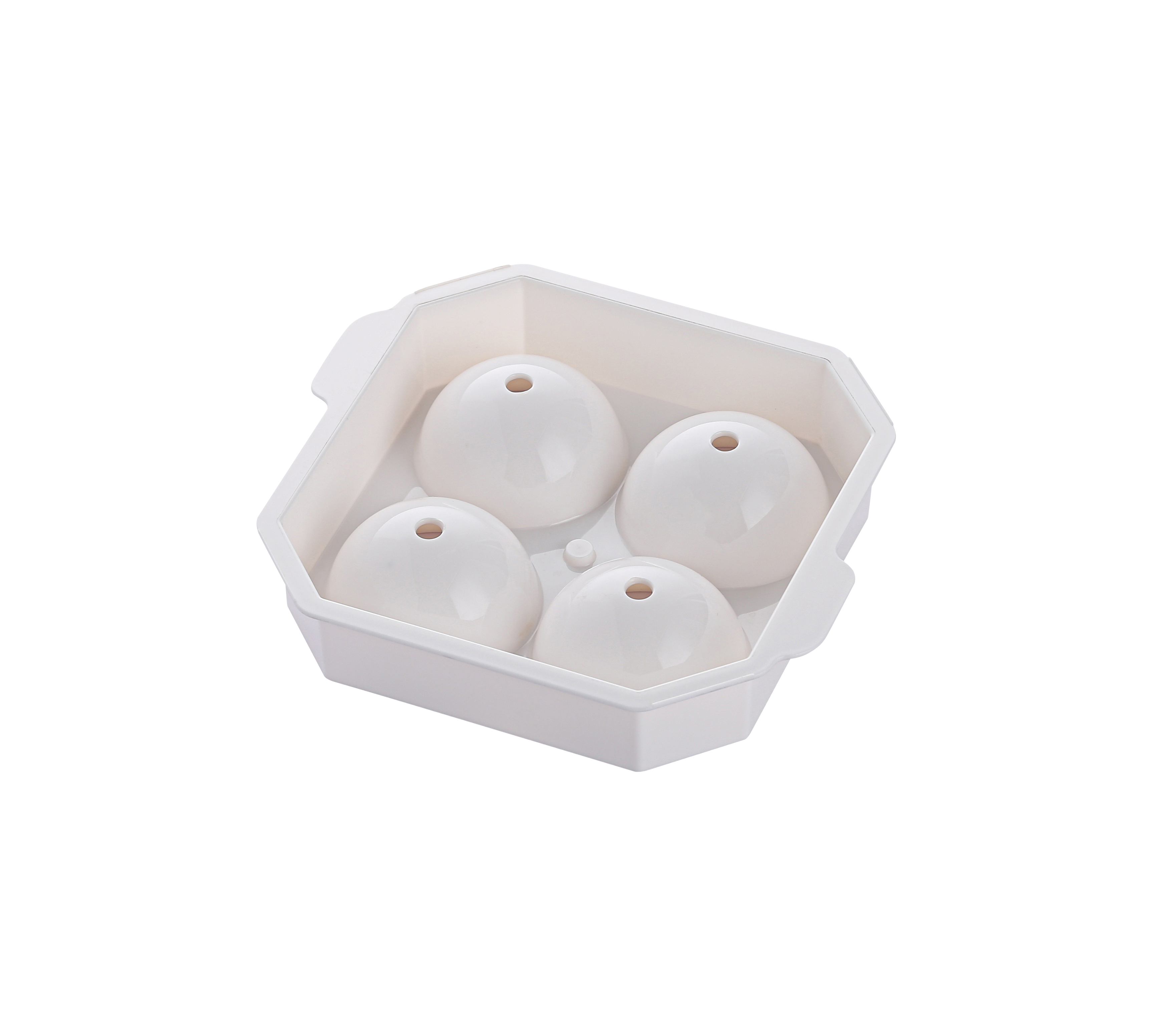
Custom Silicone Ice Trays: Practical Sourcing Guide for Better Ice
Custom silicone ice trays are used in home bars, restaurants, beverage brands, gift sets, and private-label kitchenware lines. Their appeal is simple: flexible silicone can make ice easier to release, while custom mold shapes help create a more distinctive drink presentation. Spheres, cubes, hexagonal forms, and branded designs can all serve different uses, from slow-melting cocktail ice to everyday iced tea or coffee cubes.
For buyers, however, the decision is not only about appearance. A silicone ice tray must fit the freezer, release cleanly, resist odors, and be practical to fill, stack, clean, package, and ship. If you are sourcing from a silicone ice cube trays supplier or discussing an OEM project with a silicone ice tray manufacturer, use the questions below to compare options clearly and avoid vague claims.
Key Takeaways
- Match the tray shape to the drink use: large spheres for cocktails, smaller cubes for daily beverages, and custom shapes for branding.
- Ask suppliers to confirm material details, lid design, sample availability, packaging options, and quality-control steps.
- Do not judge a tray by photos alone; test filling, freezing, release, stacking, cleaning, and odor resistance.
- For OEM orders, clarify artwork, mold ownership, lead time, carton packing, and any compliance documents before committing.
Why Custom Silicone Ice Trays Are Popular
Compared with rigid plastic molds, silicone ice trays are valued for flexibility. The tray can bend as the user presses from the bottom, helping release shaped ice without cracking the mold. The original product description highlights food-grade silicone, easy release, precise shaping, and designs such as spheres, cubes, and unique forms. These are useful qualities for bars and households that want consistent ice shapes without complicated equipment.
Large ice formats are especially common for cocktails because a larger piece of ice has less surface area relative to its volume. In practice, this can help slow melting compared with many small cubes, which may reduce rapid dilution. The source article mentions a hexagonal large sphere ice mold tray that produces four 2.5-inch spheres, a format often chosen for whiskey, cocktails, iced tea, and other cold drinks where presentation matters.
Choose the Right Ice Shape for the Application
The best custom silicone ice tray depends on the end user. A hospitality buyer may want repeatable spheres that fit rocks glasses. A retail brand may prefer a compact tray that stacks neatly in a home freezer. A promotional buyer may focus on a simple logo mold that is easy to understand and photograph.
| Tray option | Best use | Buyer checks |
|---|---|---|
| Large sphere mold | Cocktails, whiskey, iced tea | Confirm diameter, glass fit, release performance, and fill line clarity. |
| Standard cube tray | Daily beverages, cafes, household use | Check cube size, tray flexibility, stacking, and cleaning convenience. |
| Hexagonal or geometric tray | Modern drink presentation and gift sets | Ask whether the shape releases cleanly and packs efficiently. |
| Custom logo or novelty mold | Brand campaigns, private label, events | Review artwork depth, readability in ice, tooling cost, and sample approval. |
| Tray with lid | Freezer storage and spill reduction | Test lid fit, stacking stability, filling method, and odor protection. |
How to Evaluate a Silicone Ice Cube Trays Supplier
A reliable silicone ice cube trays supplier should be able to answer practical questions, not only provide product photos. Start with the basics: available shapes, dimensions, colors, packaging formats, and whether samples can be supplied for testing. If the supplier describes the tray as food-grade silicone, ask what documentation supports that statement and whether it applies to the exact product and color you plan to order.
For wholesale or private-label sourcing, ask about consistency between samples and bulk production. A sample that releases ice well may not represent production if tooling, material, or thickness changes later. Request confirmation of final drawings or specifications before production begins. If a lid is included, inspect how it fits when the tray is full of water, partially frozen, and stacked in a freezer.
Working with a Silicone Ice Tray Manufacturer on OEM Projects
OEM custom silicone ice trays can involve new shapes, logo cavities, color matching, retail packaging, and outer carton planning. Before discussing price, define the intended use. Is the product for a barware gift set, kitchenware retail shelf, beverage brand promotion, or hospitality supply? Each channel may require different packaging strength, barcode placement, instructions, and visual presentation.
Important OEM questions include: Who owns the mold? What file format is needed for logo artwork? Can the manufacturer provide a pre-production sample? How is color approved? What inspection steps are used before shipment? What are the estimated lead times for sampling and production? What packaging options are available? Because commercial details vary by supplier, buyers should request written confirmation rather than relying on general claims.
Design Features That Affect Everyday Performance
Small design choices can make a large difference for users. A tray with cavities that are too deep or narrow may be difficult to fill or release. A very soft tray may flex too much when carried to the freezer unless it has a supportive shape or lid. The original article refers to spill-proof designs with lids that help keep freezers clean and reduce ice crystal exposure. When comparing lids, check whether the lid seals tightly or simply rests on top, because those are different user experiences.
Freezer space is another practical issue. Hexagonal patterns can be space-conscious, and stackable trays are easier for households and bars that prepare ice in batches. For retail products, compact dimensions can also reduce package volume and shipping cost. Ask for actual tray dimensions, cavity dimensions, and packed carton information before finalizing a design.
Quality Checks Before Placing a Bulk Order
Testing a sample is the safest way to understand whether a tray suits your market. Fill it at a sink, carry it to the freezer, stack it, freeze it overnight, release the ice, and clean it. Repeat the process several times. Note whether the ice shape is consistent, whether the tray retains odors, whether the lid warps, and whether users can remove ice without excessive force.
- Confirm cavity size and finished ice dimensions.
- Check flexibility, thickness, and ease of release.
- Test lid fit when the tray is full and when it is frozen.
- Review packaging, instructions, labeling space, and carton strength.
- Ask what quality checks are performed during and after production.
- Request documentation for any safety, material, or compliance claim made by the supplier.
Care and Use Tips for End Customers
For consumer-facing packaging or product pages, include simple use guidance. Rinse the tray before first use. Fill to the recommended level so the lid can close properly. Place the tray on a level freezer shelf, especially when using large sphere molds. To release ice, allow the tray to sit briefly at room temperature if needed, then press from the bottom rather than pulling aggressively at the edges.
Silicone can sometimes absorb freezer odors if stored uncovered near strong-smelling foods. A well-fitting lid helps, but users should still keep trays clean and dry between uses. If the tray is used for coffee, juice, or flavored ice, advise customers to wash it promptly after use to reduce staining or lingering smells.
FAQ
Are large silicone sphere trays better than regular ice cube trays?
They are better for some drinks, especially cocktails served slowly, because larger ice pieces can melt more slowly than many small cubes. Regular cube trays are still more convenient for everyday drinks and large-volume use.
What should I ask a silicone ice tray manufacturer before ordering?
Ask about material documentation, sample production, mold ownership, logo artwork requirements, lid design, packaging options, inspection process, lead time, and how bulk production will match the approved sample.
Do custom logo ice molds always show the logo clearly?
Not always. Logo clarity depends on artwork depth, line thickness, ice transparency, freezing conditions, and mold design. Request a physical sample or clear sample photos before confirming a branded design.
Is a lid necessary for silicone ice trays?
A lid is useful for stacking, reducing spills, and limiting exposure to freezer odors. Buyers should still test whether the lid fits securely and whether it remains practical when the tray is filled with water.
How can wholesale buyers reduce sourcing risk?
Define specifications in writing, approve samples, confirm packaging and carton details, request support for any material or safety claims, and inspect production before shipment when possible.
