




Dragon Shape Tailor Scissors: Practical Buying and Care Guide
Tailor scissors are one of the most personal tools in a sewing kit. A good pair should cut cleanly, feel controlled in the hand, and stay dependable through repeated fabric work. Dragon shape tailor scissors add a decorative element to that everyday function, giving sewists, tailors, costume makers, and craft users a tool that is both practical and visually distinctive.
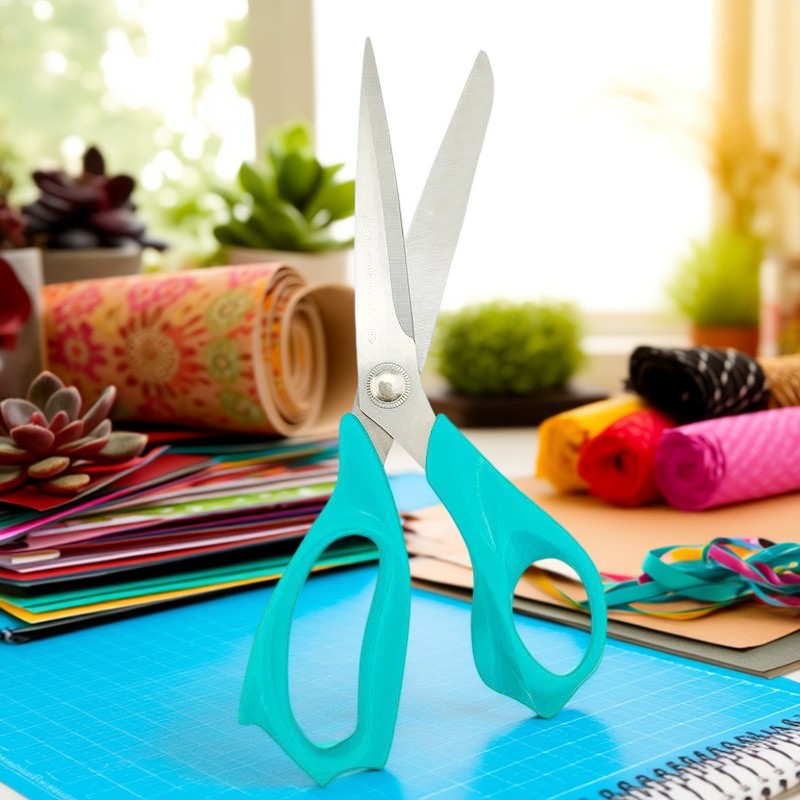
The original product description highlights several useful details: a dragon-inspired design, gleaming stainless steel blades, vibrant turquoise handles, an ergonomic grip, a lightweight yet sturdy build, and a screw joint that allows tension adjustment. This guide explains how to evaluate those features before buying and how to care for the scissors so they remain useful for fabric cutting.
Key Takeaways
- Dragon shape tailor scissors are best evaluated as working fabric scissors first and decorative tools second.
- Stainless steel blades, an ergonomic handle, and adjustable screw tension are useful features when matched to your cutting habits.
- Use them mainly on fabric and thread; cutting paper, wire, or packaging can dull the edge faster.
- Comfort matters: handle fit, balance, and control are important for long sewing or tailoring sessions.
- Routine cleaning, drying, and safe storage help preserve cutting performance.
What Makes Dragon Shape Tailor Scissors Different?
The main difference is the design language. Instead of a plain utility shape, these scissors feature a dragon-inspired appearance that makes them stand out on a sewing table or in a craft collection. For users who enjoy decorative tools, this can make daily work feel more personal without changing the basic purpose of the scissors.
However, appearance should not be the only reason to choose them. Tailor scissors need to perform across common sewing tasks such as cutting pattern pieces, trimming seam allowances, shaping appliqué, and working through different fabric weights. The original description notes stainless steel blades intended for clean cutting, including delicate silk and tougher denim. In practice, results depend on fabric thickness, blade sharpness, tension, and user technique, so buyers should still test performance on the types of fabric they use most often.
Blade Performance and Fabric Cutting
For fabric work, the blade should close smoothly from pivot to tip. If the blades meet unevenly, fabric may fold, snag, or produce ragged edges. Stainless steel is a common choice for sewing scissors because it is generally resistant to everyday moisture when properly dried and stored. That said, no blade material should be treated as maintenance-free.
When selecting dragon shape tailor scissors, check three blade-related points. First, the cutting edge should feel sharp without requiring excessive hand pressure. Second, the tips should align closely, which matters when trimming corners or making small notches. Third, the blades should not separate during cutting, especially when moving through layered fabric.
If you sew with fine materials such as silk, test on scrap fabric first and use long, steady cuts. If you work with denim or heavier cloth, avoid forcing the blades through too many layers at once. Forcing any scissors can strain the pivot and reduce control.
Handle Comfort, Grip, and Control
The original article describes vibrant turquoise handles and an ergonomic design intended to reduce hand fatigue. Handle comfort is important because tailoring often involves repeated cuts over extended periods. A handle that looks attractive but pinches the fingers or wrist can become frustrating quickly.
Before buying, consider your hand size and cutting style. Some users prefer a larger lower handle opening for multiple fingers, while others like a tighter, more controlled grip. If you cut while standing at a large table, balance and blade length may matter more. If you do small craft work, tip control may be more important than overall size.
Lightweight construction can reduce fatigue, but scissors should still feel stable. A pair that is too light may lack the momentum needed for long fabric cuts, while a pair that is too heavy may tire the hand. The best choice is the one that feels controlled from the first cut to the last.
Adjustable Screw Tension: Why It Matters
The screw joint is a practical feature because it can help tune the opening and closing feel of the scissors. If the tension is too loose, fabric may slip between the blades. If it is too tight, the scissors may feel stiff and tiring. Adjustable tension lets users find a middle point based on fabric type and personal preference.
Adjustment should be done carefully. Make very small turns, then test on scrap fabric. Do not overtighten the screw, because this can increase wear or make the scissors uncomfortable. If the screw loosens repeatedly, ask the supplier how the joint is designed and whether replacement parts or maintenance guidance are available.
Comparison Checklist for Choosing Tailor Scissors
| Selection point | What to check | Why it matters |
|---|---|---|
| Blade alignment | Blades meet evenly from pivot to tip | Helps prevent fraying, slipping, and uneven cuts |
| Blade material | Stainless steel blades are stated in the product description | Supports everyday sewing use when properly maintained |
| Handle comfort | Grip fits your hand without pinching | Reduces fatigue during repeated cutting |
| Tension screw | Opens and closes smoothly after adjustment | Allows control for different fabrics and preferences |
| Weight and balance | Feels steady but not tiring | Improves accuracy on long cuts and detailed trimming |
| Intended use | Reserved mainly for fabric and thread | Helps keep the edge sharper for sewing work |
How to Use Them for Better Cutting Results
Even sharp tailor scissors perform best with good technique. Lay fabric flat on a stable surface and smooth wrinkles before cutting. Keep the lower blade close to the table so the fabric remains supported. Use long, continuous strokes for straight lines and shorter, controlled cuts for curves or corners.
- Test on a scrap of the same fabric before cutting final pieces.
- Cut slowly around curves rather than twisting the fabric sharply.
- Do not lift fabric high into the air while cutting, as this can distort the shape.
- Use separate tools for paper patterns, cardboard, plastic packaging, or wire.
- Wipe lint from the pivot area after longer sewing sessions.
For delicate fabric, avoid squeezing too hard. Let the blade edge do the work. For heavier fabric, reduce the number of layers if the scissors start to push instead of cut.
Care and Storage Tips
Fabric lint, thread dust, and moisture can affect how scissors feel over time. After use, wipe the blades with a dry soft cloth. If the scissors contact damp fabric, dry them promptly before storage. Keep them closed when not in use and store them in a pouch, drawer, or dedicated tool area to protect the tips and cutting edge.
A small amount of suitable pivot oil may help if the joint becomes stiff, but use it sparingly and wipe away excess so it does not transfer to fabric. If the blades become dull, professional sharpening is usually better than aggressive home grinding, especially for scissors with a decorative shape or detailed handle design.
Practical FAQ
Are dragon shape tailor scissors only decorative?
No. The dragon design is decorative, but the scissors are still intended as cutting tools. Evaluate them by blade alignment, comfort, tension, and fabric performance.
Can I cut denim with them?
The original description mentions use on tough denim, but the number of layers matters. Test on scrap denim first and avoid forcing the scissors through excessive thickness.
Should I use them for paper patterns?
It is better to keep fabric scissors for fabric and thread only. Paper can dull the edge faster, reducing clean cutting performance on textiles.
How do I know if the screw tension is correct?
The scissors should open smoothly and cut fabric without slipping. If they feel loose or stiff, make a very small adjustment and test again.
What should buyers ask a supplier before ordering?
Ask about blade length, total size, handle dimensions, packaging, sharpening recommendations, replacement or repair guidance, and whether samples are available for hands-on testing.
Final Thoughts
Dragon shape tailor scissors are a good option for users who want a sewing tool with more visual character while still focusing on practical cutting needs. The most important factors are not decorative details alone, but sharp blades, comfortable handles, stable tension, and proper care. Choose based on the fabrics you cut most often, test before important projects, and maintain the scissors as a dedicated fabric tool for better long-term results.
