




High Quality Sewing Scissors: How to Choose, Use, and Maintain Them
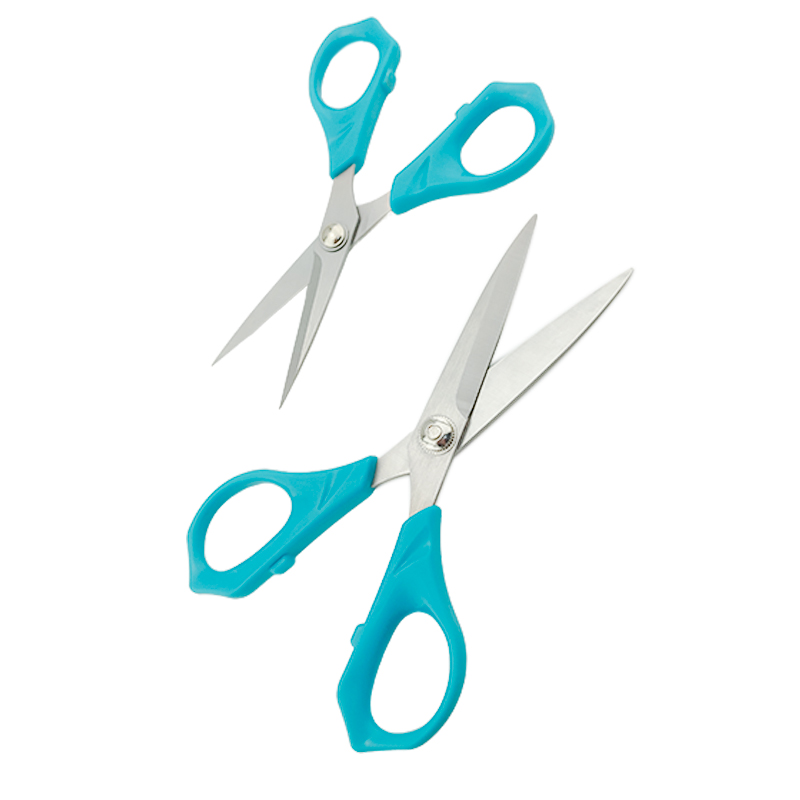
High quality sewing scissors make fabric preparation cleaner, faster, and less frustrating. Whether you sew garments, adjust hems, cut patterns, trim threads, or work on occasional DIY fabric projects, the right pair of scissors can improve accuracy and reduce wasted material. This guide focuses on the product described in the original article: tailor sewing scissors with vibrant turquoise handles, ultra-sharp stainless steel blades, and two useful scissor types for different cutting tasks.
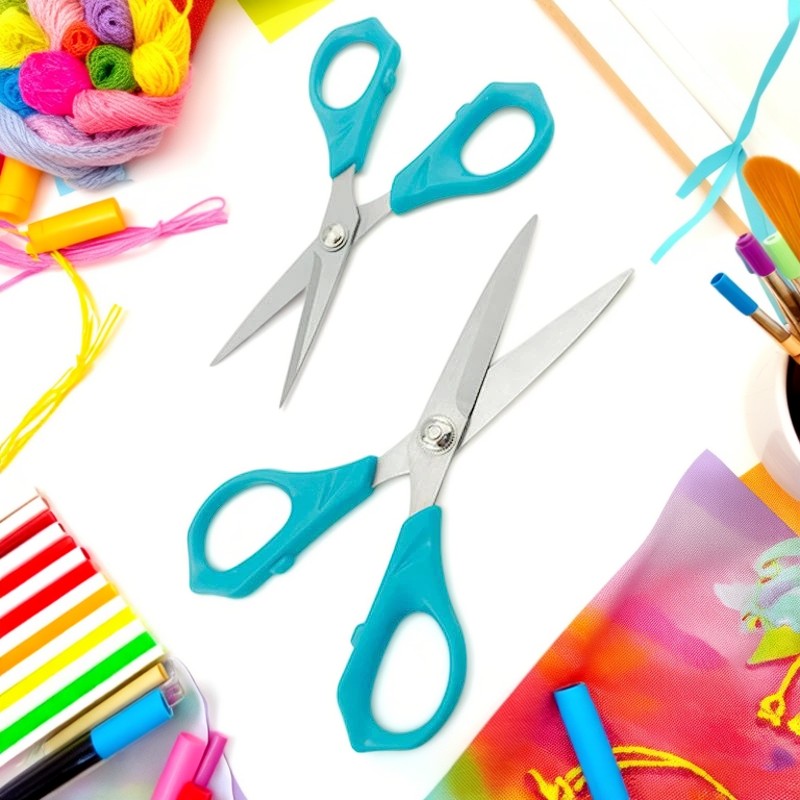
Rather than choosing sewing scissors only by appearance, it helps to understand blade shape, handle comfort, cutting purpose, and care routines. A sharp pair can glide through fabric; a poorly matched pair can chew edges, shift layers, or strain your hand during long cutting sessions.
Key Takeaways
- Choose sewing scissors according to the material, cutting length, and detail level of your project.
- Stainless steel blades are valued for sharp cutting performance and general durability, but they still need cleaning and proper storage.
- Turquoise handles are easy to identify in a busy sewing area and can help prevent accidental use for paper or household tasks.
- A two-scissor setup is practical: long-blade tailor shears for fabric panels and precision crafting scissors for trimming and detail work.
- To protect the cutting edge, use sewing scissors only on fabric and thread unless the supplier states otherwise.
What Makes a Sewing Scissor Different from Ordinary Scissors?
Sewing scissors are designed for controlled cutting through fabric, thread, interfacing, and related craft materials. Compared with general office scissors, they usually emphasize sharper edges, smoother blade action, and a handle shape that supports longer cuts. The original product description highlights ultra-sharp stainless steel blades and robust hinges, both of which are important for stable cutting.
For fabric work, consistency matters. If the blades separate slightly at the pivot, the material can fold instead of cut. If the tips are too blunt, trimming corners and seam allowances becomes difficult. If the handle does not fit your grip, your wrist and fingers may tire before the cutting is finished. These are the reasons dressmakers, tailors, quilters, and hobby sewers often keep dedicated scissors for fabric only.
Comparing the Two Scissor Types in This Set
The original article describes two distinct scissor types: Precision Crafting Scissors and Long-Blade Tailor Shears. Each has a different role. Using them correctly will usually produce better results than trying to make one pair do every task.
| Scissor type | Best use | What to check before buying |
|---|---|---|
| Precision Crafting Scissors | Trimming edges, clipping threads, cutting small curves, detailing, and working near seams | Tip sharpness, finger comfort, smooth opening and closing, and control during short cuts |
| Long-Blade Tailor Shears | Cutting larger fabric panels, layered fabric, garment pieces, and long straight lines | Blade alignment, hinge stability, handle fit, and whether the blade length suits your cutting table |
For garment making, long-blade tailor shears help maintain a clean line across pattern pieces. For smaller finishing work, precision scissors reduce the chance of cutting too much fabric. Keeping both within reach can make a sewing workflow more efficient.
Handle Design and Visibility: Why the Turquoise Handles Matter
The turquoise handles are more than a color choice. In a sewing room, tools can disappear under fabric, paper patterns, measuring tapes, and thread spools. A bright handle is easier to spot quickly, which saves time and reduces the risk of someone grabbing your fabric scissors for cardboard, tape, or packaging.
The original article also notes that the handles are ergonomically designed for comfort. Since hand sizes and cutting habits differ, buyers should still evaluate fit. If possible, check whether the handle openings allow your fingers to move naturally, whether the grip creates pressure points, and whether the scissors feel balanced when fully opened. For frequent sewing, comfort is not a minor detail; it affects accuracy and fatigue.
How to Choose High Quality Sewing Scissors for Your Projects
Before purchasing sewing scissors, think about the materials and tasks you handle most often. A person who cuts denim, upholstery fabric, or multiple layers may prioritize longer shears and hinge stability. Someone who makes doll clothes, appliqué, or detailed craft pieces may need smaller precision scissors with fine tips.
- Match the scissors to the task. Use tailor shears for long cuts and precision scissors for trimming, notching, and small details.
- Check blade action. The blades should open and close smoothly without wobbling or scraping unevenly.
- Look at the tips. Fine tips are useful for corners, curves, and thread trimming.
- Consider handle comfort. If you cut for long periods, poor handle fit can affect control.
- Ask about maintenance guidance. A supplier should explain cleaning, storage, and sharpening recommendations.
If you are sourcing for a sewing studio, classroom, workshop, or retail assortment, request product samples before committing to a larger purchase. Ask the supplier what materials the scissors are intended to cut, how the hinge is assembled, whether replacement or after-sales support is available, and how products are packed for shipping. Avoid assuming technical specifications that are not stated.
Using Sewing Scissors Without Damaging the Blades
Even sharp stainless steel sewing scissors can lose performance if they are used incorrectly. The most common mistake is using fabric scissors for paper, plastic ties, adhesive tape, or household jobs. These materials can dull or contaminate the edge, making later fabric cuts less clean.
For the best results, lay fabric flat on a stable surface before cutting. Keep the lower blade in light contact with the table during long cuts to reduce fabric lifting. Do not force the scissors through material that feels too thick; forcing can strain the hinge and produce jagged edges. If cutting layered fabric, test a small section first to confirm that the blades can pass through smoothly.
Care and Storage Tips for Longer Service Life
Good care protects both the cutting edge and the hinge. After sewing, wipe the blades with a dry soft cloth to remove lint, thread dust, and any residue. Store scissors closed in a drawer, pouch, or tool case so the tips do not strike hard surfaces. If the scissors become difficult to open or close, check for trapped thread or lint near the pivot before assuming the blades are worn out.
- Keep sewing scissors separate from office and kitchen scissors.
- Do not drop them; impact can affect blade alignment or tips.
- Cut on a clean, flat surface with enough room for the fabric to move.
- Follow the supplier's advice on sharpening and lubrication if provided.
- Label or color-code them if several people share the same workspace.
Practical FAQ
Can these sewing scissors cut denim?
The original description states that the sharp sewing scissors can cut sturdy denim as well as delicate silks. For best results, test the number of layers you plan to cut and avoid forcing the blades through excessive thickness.
Are stainless steel blades maintenance-free?
No. Stainless steel blades are practical and durable, but they still benefit from regular cleaning, dry storage, and correct use. Keeping adhesive, dust, and moisture away from the blades helps preserve performance.
Should I choose long-blade shears or precision scissors first?
If you mainly cut garment panels or large fabric pieces, start with long-blade tailor shears. If you mostly trim threads, clip curves, or work on small crafts, precision crafting scissors may be more useful. Many sewers keep both.
What should wholesale or studio buyers ask a supplier?
Ask about blade material confirmation, handle dimensions, packaging, sample availability, intended cutting applications, sharpening guidance, and after-sales support. If certifications, test reports, or compliance documents are required for your market, request current documentation directly from the supplier.
How do I stop others from using my fabric scissors on paper?
Use the bright turquoise handles as a visual cue, label the scissors clearly, and store them in a dedicated sewing kit. A simple “fabric only” tag can prevent accidental misuse in shared spaces.
