




Multi-Blade Peeler: How to Choose and Use One Well
A good peeler is one of the smallest tools in the kitchen, but it affects speed, comfort, food waste, and presentation every day. A multi-blade peeler is designed to handle more than one peeling task, often combining straight, serrated, and julienne blades in a compact format. For home cooks preparing potatoes, carrots, apples, zucchini ribbons, tomato skins, or salad garnishes, the right tool can make preparation cleaner and more consistent.
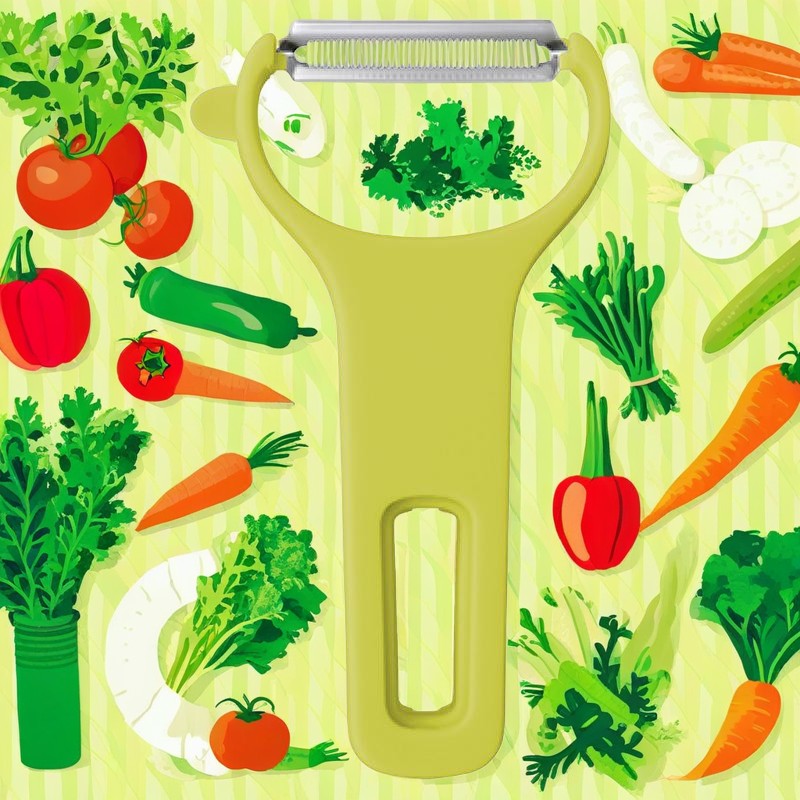
The original Bonet Houseware article highlights a multi-use peeler available in bright lime or yellow finishes, with an ergonomic handle, stainless steel blades, and options such as a 3-blade peeler or a compact rotating peeler set. It also mentions serrated, straight, and julienne blade functions, a built-in tool for removing blemishes or potato eyes, and compact stacking storage. This guide explains how those features matter in real kitchen use and what to check before choosing a peeler.
Key Takeaways
- A multi-blade peeler is most useful when you regularly prepare different fruits and vegetables, not just potatoes.
- Straight, serrated, and julienne blades each suit different textures and cutting goals.
- Comfort, blade sharpness, cleaning access, and safe storage matter as much as appearance.
- Always verify material details, care instructions, and replacement or warranty information with the seller before purchase.
What a Multi-Blade Peeler Is Best For
A standard straight peeler is fine for many root vegetables, but it can struggle with soft skins or decorative cuts. A multi-blade design gives more flexibility without requiring several separate tools. The straight blade is typically used for firm produce such as carrots, cucumbers, potatoes, and apples. The serrated blade helps grip delicate or slippery surfaces, making it useful for items such as peaches, tomatoes, or other soft-skinned produce. The julienne blade creates narrow strips for salads, stir-fries, garnishes, and quick vegetable noodles.
This kind of tool is especially practical for cooks who want to reduce prep time but still keep control over cut size and waste. It is not meant to replace a knife for every job. Instead, it covers repetitive peeling and strip-cutting tasks where a blade designed for surface work is safer and more efficient than freehand cutting.
Blade Types Compared
Before buying or using a multi-blade peeler, understand what each blade is intended to do. Using the wrong blade can crush soft produce, remove too much flesh, or make the tool harder to clean.
| Blade or Feature | Best Use | What to Watch For |
|---|---|---|
| Straight blade | Potatoes, carrots, apples, cucumbers, and other firm produce | Check that it peels thinly without digging too deep |
| Serrated blade | Tomatoes, peaches, and delicate skins | Clean the small teeth carefully after use |
| Julienne blade | Zucchini ribbons, carrot strips, salad garnish, vegetable strips | Use steady pressure and protect fingers near the end of the vegetable |
| Blemish remover | Removing potato eyes or small surface marks | Do not use excessive force on hard spots |
| Stacking or compact design | Small kitchens, drawers, travel kitchens, organized storage | Confirm blades are covered or safely positioned when stored |
How to Choose the Right Peeler
The best peeler is not always the one with the most functions. It is the one you will use safely and clean easily. Start with the handle. The original description mentions an ergonomic handle intended to reduce hand fatigue during extended use. That is important if you peel in batches, prepare food for family meals, or have limited grip strength. Look for a handle shape that allows a natural hold and does not twist in the hand when pressure is applied.
Next, examine the blades. The source article states that the peeler uses stainless steel blades, which is a common choice for kitchen cutting tools. However, buyers should still check care instructions, blade thickness, sharpness, and whether the blades are removable or fixed. If the product is described as rust resistant or BPA-free, review the seller’s published product information and packaging details so you understand what parts those claims apply to.
Color can also be practical. A lime or yellow finish, as described in the original article, may make the peeler easier to spot in a crowded drawer. Still, color should be secondary to grip, cleaning, blade safety, and durability.
Using a Multi-Blade Peeler Safely
Sharp peelers require less force, but they still need attention. Wash produce first, trim awkward ends, and create a stable grip before peeling. For long vegetables such as carrots or zucchini, peel away from your body and rotate the produce rather than twisting your wrist. For round produce, such as apples or potatoes, keep fingers behind the cutting path.
- Select the blade that fits the produce texture and desired result.
- Hold the handle firmly without squeezing too tightly.
- Use light, even strokes instead of pressing hard.
- Stop before your fingers reach the blade and finish small pieces with a knife if needed.
- Rinse the blade soon after use, especially after starchy or juicy foods.
When making julienne strips, use larger pieces of produce whenever possible. Very small leftover pieces are difficult to control and can increase the risk of slipping. If the peeler includes a built-in potato eye or blemish remover, use it only for small spots rather than cutting deeply into the vegetable.
Care, Cleaning, and Storage
Cleaning is where many peelers fail in daily use. Serrated and julienne blades can trap fibers, peel fragments, and starch. Rinse immediately after use under running water and use a small brush if needed. Avoid wiping directly along a sharp edge with your fingers or a cloth. If the product is labeled dishwasher safe, confirm that instruction from the seller or packaging; otherwise, hand washing and thorough drying are the safer default for preserving sharpness.
Storage matters because multi-blade tools have more exposed cutting surfaces than a simple peeler. A compact stacking design can save drawer space, but the blades should not be loose where hands can hit them unexpectedly. If a cover, case, or locking position is included, use it every time. Keep the tool away from children and avoid mixing it with heavy utensils that may dull the blades.
When a Multi-Blade Peeler Makes Sense
A multi-blade peeler is a practical choice if you regularly prepare fresh produce and want one tool for several textures. It is useful for meal prep, salad making, soup ingredients, fruit snacks, vegetable garnishes, and quick weekday cooking. It is less necessary if you only peel potatoes occasionally or prefer using a paring knife for every task.
For consumers comparing similar products, ask simple questions: Which blades are included? Are the blades fixed, rotating, or interchangeable? How should the tool be cleaned? Does the handle suit right- and left-handed users? Are storage covers included? What materials are used in the handle and blade assembly? Clear answers help prevent disappointment after purchase.
Practical FAQ
Can one peeler handle both fruits and vegetables?
Yes, a multi-blade peeler can handle many fruits and vegetables when the correct blade is used. Firm produce usually works well with a straight blade, while softer skins may be better suited to a serrated blade.
What is the julienne blade for?
A julienne blade cuts produce into thin strips. It is helpful for carrot shreds, zucchini strips, cucumber garnish, and salad toppings.
Is stainless steel automatically rust proof?
No. Stainless steel is commonly used because it resists corrosion better than many metals, but care still matters. Wash, dry, and store the blades properly, and follow the supplier’s care instructions.
How do I reduce food waste when peeling?
Use light pressure and let the blade do the work. A sharp, well-designed peeler should remove a thin layer of skin rather than thick strips of flesh.
Should I choose a 3-blade peeler or a compact rotating set?
Choose based on storage, comfort, and how often you switch blade types. A 3-blade format may be convenient for frequent changes, while a compact rotating or stacking design may suit small drawers and organized storage.
