




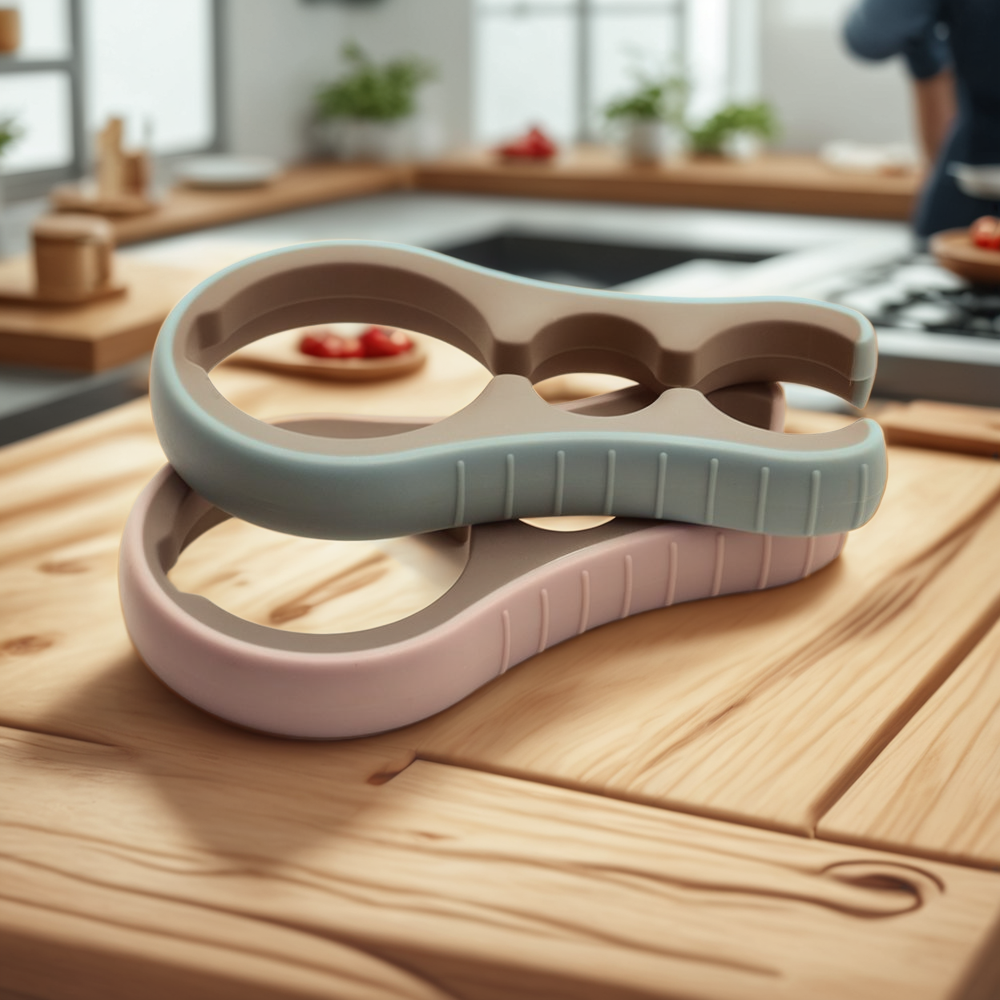
Multifunctional Bottle Opener: A Practical Guide for Everyday Kitchens
A multifunctional bottle opener is a small kitchen tool designed to solve several everyday opening problems with one compact item. Instead of keeping separate gadgets for bottle caps, jar lids, pull tabs, and stubborn seals, many households prefer a single opener that can assist with multiple tasks. The value is not only convenience; it can also improve grip, reduce hand strain, and keep frequently used tools easier to find.
This guide explains what a multifunctional opener can do, how to compare options, and how to use and care for one properly. It is written for home users who want a practical tool, not a drawer full of single-purpose accessories.
Key Takeaways
- A multifunctional bottle opener is most useful when it handles the containers you open most often, such as jars, caps, and pull-tab cans.
- Comfort matters: a non-slip grip and an ergonomic shape can make difficult lids easier to manage.
- Check cleaning instructions, storage size, and build quality before buying.
- No opener works for every container, so choose one based on your normal kitchen routine.
What a Multifunctional Bottle Opener Is Designed to Do
Traditional bottle openers usually focus on crown caps. A multifunctional bottle opener goes further by combining several opening functions in one device. Depending on the design, it may help loosen twist caps, grip jar lids, lift pull tabs, or assist with small pry-open tasks.
The main benefit is control. A well-designed opener gives your hand a larger contact surface and a better angle than fingers alone. This can be helpful when a jar lid is vacuum sealed, when a beverage cap is too tight, or when a pull tab is difficult to lift. For people who cook often, have limited hand strength, or simply want to save time, this type of tool can become part of a normal kitchen routine.
Common Opening Tasks It Can Help With
Before choosing a tool, think about the items you open most frequently. A multifunctional opener is not only about the number of functions advertised; it is about whether those functions match your real use.
- Bottle caps: Many designs include a cap lifter for standard metal caps.
- Twist caps: Some openers provide a grip surface for plastic beverage caps or small screw lids.
- Jar lids: Larger grip sections may help with condiment jars, pickle jars, sauce jars, and similar containers.
- Pull tabs: A lifting edge can reduce the need to use fingernails on cans or beverage tabs.
- Stubborn seals: Some tools help improve leverage, but very tight lids may still require warm water, a towel, or another safe method.
Because designs vary, always confirm the intended functions from the product description or packaging. Avoid assuming that every opener can handle every lid size or container type.
Features to Compare Before Buying
A good multifunctional opener should feel secure in the hand and perform consistently. Many modern kitchen opener tools are designed with comfort in mind, and some feature dual-grip silicone handles or other non-slip surfaces. These details can be especially useful when hands are wet or when a lid requires extra force.
| Feature to Check | Why It Matters | What to Look For |
|---|---|---|
| Grip surface | Reduces slipping during use | Textured, silicone, or rubberized contact areas |
| Handle shape | Affects comfort and leverage | Rounded edges and a shape that fits your hand |
| Lid size range | Determines which jars and caps it can handle | Clear guidance on compatible lid diameters |
| Storage size | Helps keep drawers organized | Compact profile or hanging hole if needed |
| Cleaning method | Impacts daily convenience | Simple hand washing or dishwasher guidance if stated |
| Build quality | Supports longer service life | Firm joints, stable grip areas, and no sharp unfinished edges |
If the product listing does not mention a material, dishwasher suitability, or lid size range, treat that as a question to ask before purchasing rather than making assumptions.
How to Use It Safely and Effectively
Even a simple opener works best when used with the right technique. Start by matching the correct part of the opener to the cap or lid. Place it squarely on the container, apply steady pressure, and turn or lift slowly. Sudden force can cause slipping, especially on wet glass or smooth plastic.
- Dry the lid and your hands before use for a safer grip.
- Select the opening slot or grip area that fits the lid most closely.
- Keep the container on a stable surface rather than holding it in the air.
- Apply gradual pressure instead of twisting sharply.
- If the lid does not move, pause and try warm water around the lid edge before applying more force.
For people with wrist discomfort or reduced grip strength, the goal is to reduce strain, not to force a difficult container open at any cost. If a lid is damaged, rusted, swollen, or unusually tight, avoid using excessive pressure.
Cleaning, Storage, and Care
Kitchen openers come into contact with food containers, sticky residues, and sometimes moisture. Regular cleaning helps maintain hygiene and grip performance. Unless the product instructions clearly say it is dishwasher safe, hand washing is the safer default. Use mild dish soap, rinse well, and dry the tool completely before storing it.
Check grooves, gripping surfaces, and hinge areas if the design has them. These spots can collect residue from sauces, syrups, or beverage spills. A soft brush can help clean textured areas without damaging the surface. Store the opener in a dry drawer or hang it where it will not be bent or crushed by heavier utensils.
Over time, inspect the tool for cracks, loose parts, worn grip surfaces, or rough edges. Replace it if it no longer holds securely, because slipping can be more frustrating and less safe than using no tool at all.
Who Benefits Most from a Multifunctional Opener?
This type of tool can be useful in many kitchens, but it is especially practical for households that open packaged foods frequently. It can help busy cooks who want one tool near the prep area, older adults who prefer a larger grip surface, and anyone who dislikes using knives or fingernails to pry at tabs and seals.
It is also helpful in small kitchens, dorms, RVs, and shared spaces where drawer space is limited. Instead of storing several bulky accessories, a compact multifunctional opener can cover common opening needs while staying easy to locate.
Practical FAQ
Can one multifunctional bottle opener open every jar?
Not always. Lid diameter, lid shape, vacuum strength, and the opener design all matter. Check the stated lid size range before buying.
Is a silicone grip better than a hard plastic grip?
A silicone or rubberized grip can improve traction, especially with wet hands. However, the overall shape and firmness of the tool are also important.
Can it replace a can opener?
Usually no. A multifunctional bottle opener may help lift pull tabs, but it is not the same as a can opener designed to cut can lids.
How should I clean it after opening sticky jars?
Wash it with mild dish soap, rinse the grooves or textured areas carefully, and dry it fully before storage. Follow any specific care instructions provided with the product.
What should I ask before ordering online?
Ask about compatible lid sizes, materials, cleaning method, grip design, dimensions, and whether replacement or care information is available.
