




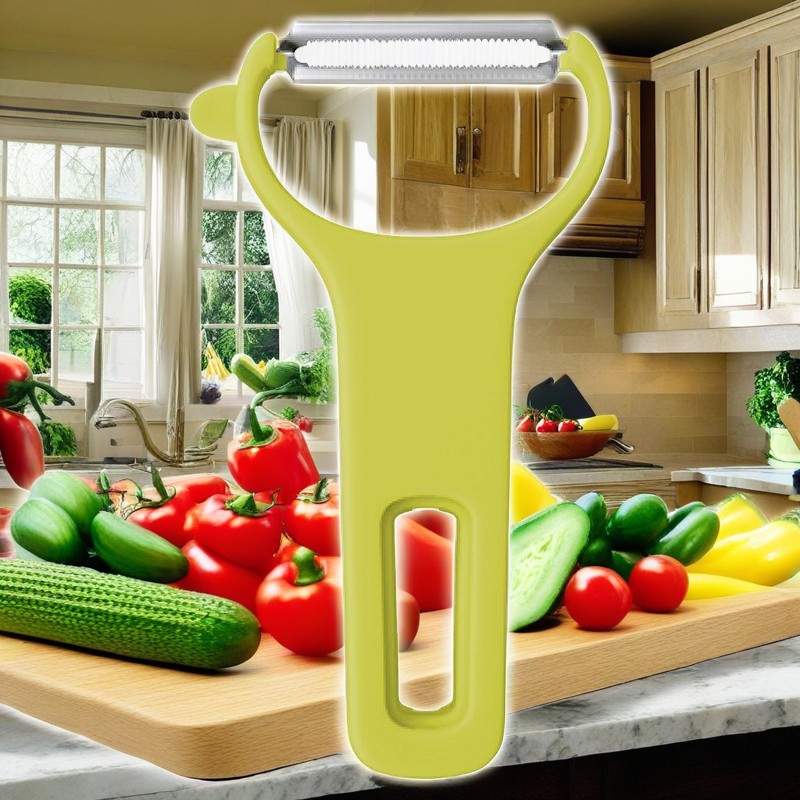
3-Blade Peeler: A Practical Guide for Faster Fruit and Vegetable Prep
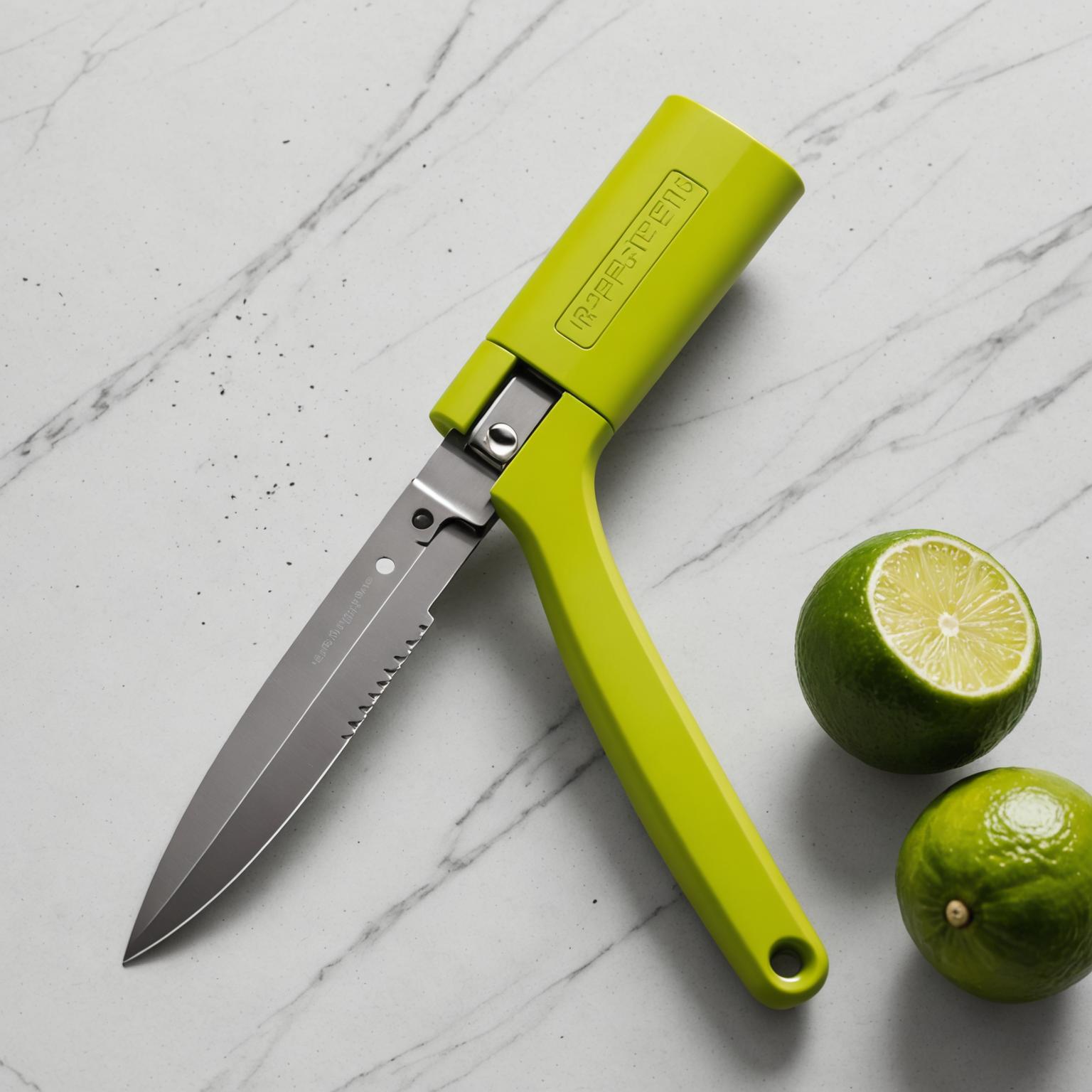
A good peeler is one of the small kitchen tools that can make a noticeable difference in daily food preparation. A 3-blade peeler is designed for cooks who want one compact tool for several common tasks: peeling firm produce, handling softer skins, and making thin julienne strips for salads, stir-fries, garnishes, or quick vegetable sides.
The model described in the original product article includes three interchangeable blade styles: a straight blade, a serrated blade, and a julienne blade. It also notes an ergonomic anti-slip handle, compact storage, dishwasher-friendly construction, and stainless steel blades. This guide explains how those features translate into practical use, what to check before buying, and how to keep the tool working well over time.
Key Takeaways
- A 3-blade peeler is useful when you prepare different types of produce and want fewer single-purpose tools in the drawer.
- The straight blade is best for shallow, smooth skins such as apples and cucumbers.
- The serrated blade is intended for softer or more delicate skins, such as tomatoes and peaches.
- The julienne blade can cut narrow strips from vegetables such as carrots or zucchini.
- Before purchasing, check how the blades switch, how the handle feels, and how easy the peeler is to clean safely.
What Is a 3-Blade Peeler?
A 3-blade peeler is a multi-blade kitchen peeler that combines several peeling and cutting functions in one tool. Instead of keeping separate peelers for different jobs, the user can switch between blades depending on the ingredient and the desired cut. This can be helpful in home kitchens, small catering setups, meal-prep kitchens, and any place where produce is prepared regularly.
The advantage is not only speed. Using the right blade for the produce can reduce tearing, uneven peeling, or excessive waste. For example, a blade that works well on a cucumber may not be the best choice for a peach, and a standard peeling edge will not create julienne strips. The value of a multi-blade tool comes from matching the blade to the task.
How the Three Blades Are Typically Used
The original product description highlights three blade types. Each one has a different purpose, so it is worth understanding when to use each option.
| Blade type | Best suited for | Common uses | Selection tip |
|---|---|---|---|
| Straight blade | Produce with shallow or smooth skins | Apples, cucumbers, and similar firm produce | Choose this blade when you want clean, controlled peeling with minimal texture. |
| Serrated blade | Soft-skinned fruit and delicate surfaces | Tomatoes, peaches, and similar produce | Use this when a smooth blade may slip or press too hard into the flesh. |
| Julienne blade | Vegetables that can be cut into thin strips | Carrots, zucchini, garnishes, and stir-fry preparation | Apply even pressure and use straight strokes for more consistent strips. |
When a Multi-Blade Peeler Makes Sense
A 3-blade peeler is most useful when your cooking routine includes a variety of produce. If you only peel potatoes once a week, a basic peeler may be enough. If you prepare fruit bowls, salads, vegetable noodles, lunch boxes, or stir-fry ingredients, the extra blade options can save time and reduce the need to switch tools.
It can also help keep a kitchen drawer simpler. A compact tool that covers several tasks may be easier to store than multiple peelers, especially in apartments, shared kitchens, office pantries, or small food-prep areas. The original article notes that the peeler has a compact design, which is a useful feature if storage space is limited.
Comfort, Control, and Safety Considerations
Peeling is repetitive work, so comfort matters. The original description mentions an ergonomic anti-slip handle. In practical terms, a handle should feel stable in the hand and allow controlled movement, especially when the produce is wet. A slippery grip can increase fatigue and reduce accuracy.
Before choosing any multi-blade peeler, consider the following checklist:
- Grip: Does the handle feel secure when your hands are damp?
- Blade switching: Is the blade-changing mechanism intuitive and stable?
- Cleaning: Are there tight gaps where food can remain trapped?
- Storage: Can the tool be stored without exposing sharp edges?
- Control: Does the peeler feel balanced during short and long strokes?
Always cut away from your fingers, keep the produce steady, and avoid rushing when changing blades. Multi-blade peelers are convenient, but they still require careful handling because multiple sharp edges may be built into one compact tool.
How to Use Each Blade More Effectively
For the straight blade, use light, even pressure. It is suitable for produce such as apples and cucumbers, where you usually want a clean strip of skin removed without cutting too deeply. If the blade digs in, reduce pressure and adjust the angle.
For the serrated blade, let the teeth do the work. This blade is intended for softer skins such as tomatoes or peaches. Pressing too hard can crush the fruit, so use shorter strokes and support the ingredient with your other hand on a stable cutting board.
For the julienne blade, choose vegetables that are firm enough to hold their shape. Carrots and zucchini are examples named in the original article. For better consistency, trim one side of the vegetable flat before cutting, then pull the peeler in steady lines. The result can be used for slaws, noodle-style vegetable dishes, quick sautés, or decorative toppings.
Cleaning and Care Tips
The original product description states that the peeler is dishwasher friendly. Even so, many users prefer to rinse peelers immediately after use because fruit sugars, starch, and vegetable fibers can dry around the blade area. Quick rinsing also makes later cleaning easier.
- Rinse the peeler soon after use, especially after working with sticky or starchy produce.
- Use a brush carefully around the blade area instead of wiping directly across sharp edges.
- If using a dishwasher, place the peeler where it will not shift into other utensils.
- Dry thoroughly before storage to keep the tool clean and ready for the next use.
- Store it in a way that protects hands from accidental contact with the blades.
Stainless steel blades are mentioned in the source article, but care is still important. Avoid leaving the tool in standing water for long periods, and inspect it regularly for food buildup or damage.
Who Should Consider This Type of Peeler?
A 3-blade fruit and vegetable peeler is a good fit for cooks who want flexibility without adding several separate gadgets. It can support everyday meals, fresh snacks, school lunch preparation, and simple decorative cuts. It is also practical for people who cook with both firm vegetables and soft-skinned fruit.
For buyers comparing similar tools, focus less on broad marketing claims and more on practical details: blade access, cleaning, grip comfort, and whether the three blade types match the foods you actually prepare. If the peeler will be used frequently, comfort and safe storage become just as important as cutting performance.
FAQ
What is the main benefit of a 3-blade peeler?
The main benefit is versatility. One tool can handle standard peeling, soft-skin peeling, and julienne cutting, depending on which blade is selected.
Which blade should I use for tomatoes or peaches?
Use the serrated blade. It is intended for softer skins where a smooth straight blade may slip or press too deeply.
Can the julienne blade replace a spiralizer?
Not exactly. A julienne blade makes thin strips, while a spiralizer creates long spiral cuts. For quick vegetable strips from carrots or zucchini, the julienne blade is often sufficient.
Is a dishwasher-friendly peeler still worth rinsing by hand?
Yes. Rinsing right after use helps remove fibers, juice, and starch before they dry around the blades. This can make cleaning safer and easier.
What should I check before buying a multi-blade peeler?
Check the grip, blade-changing method, storage safety, cleaning access, and whether the included blade types match the produce you prepare most often.
