




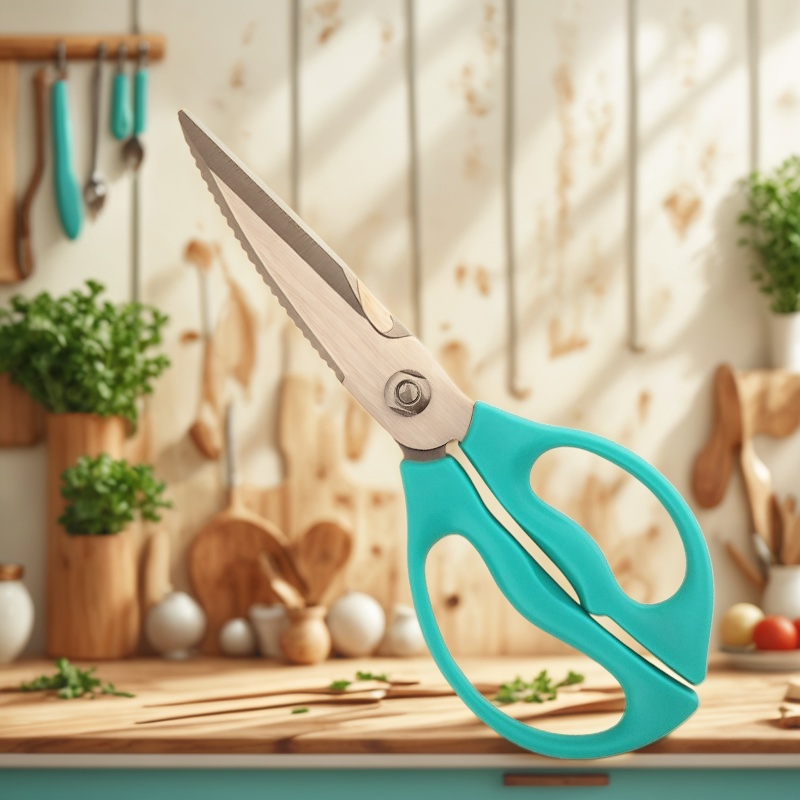
Enhance Cooking with Multi-Functional Kitchen Scissors
Multi-functional kitchen scissors are simple tools, but they can influence how quickly and safely everyday food preparation gets done. For consumers, the main question is whether a pair of shears feels secure, cuts cleanly, and is easy to maintain. For retailers, importers, and private-label buyers, the decision also includes supplier reliability, customization options, packaging, and quality consistency.
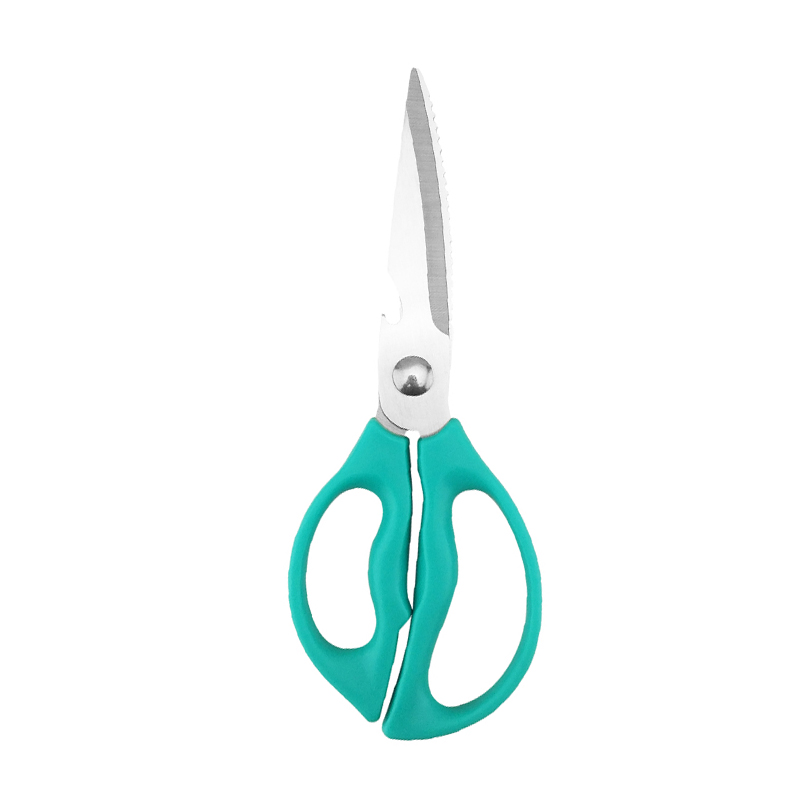
The original product focus highlights comfort, safety, broad cutting use, and manufacturing customization. This guide expands those points into practical selection criteria, especially for buyers comparing kitchen shears for retail shelves, promotional programs, wholesale distribution, or OEM kitchen scissors projects.
Key Takeaways
- Choose kitchen scissors based on grip comfort, cutting control, cleaning method, and the real tasks users need to perform.
- Multi-functional features can add value, but only when they are easy to use and do not weaken the core cutting performance.
- Business buyers should ask suppliers clear questions about materials, customization, quality inspection, packaging, and lead times.
- A Yangjiang kitchen scissors factory may be relevant for sourcing because the area is associated with cutlery production, but each supplier should still be verified individually.
- Do not rely only on appearance; request samples and test them with typical kitchen tasks before placing a larger order.
What Makes Kitchen Scissors Multi-Functional?
At their core, kitchen scissors are designed to cut food, packaging, herbs, poultry, vegetables, and other common kitchen items. A multi-functional design may add features such as serrated cutting edges, a grip section for cracking nuts, or a bottle opener. These functions can reduce the need to reach for several separate tools during meal preparation.
However, more functions do not automatically mean a better product. The primary cutting action should remain smooth and controlled. If extra features make the handles bulky, uncomfortable, or hard to clean, they may create more inconvenience than value. Buyers should evaluate whether every feature is useful to the target customer. A home cook, a barbecue user, a restaurant prep worker, and a gift-set buyer may all have different expectations.
Comfort and Safety Should Come First
The original article correctly points out that handle design matters. Comfortable handle kitchen scissors can reduce hand fatigue during repetitive tasks such as trimming herbs, cutting meat, or portioning pastry. A secure grip is also important when hands are wet or when cutting slippery foods.
For product selection, look closely at handle size, shape, and texture. The opening should fit the intended user group without forcing the hand into an awkward position. Non-slip materials or textured surfaces may improve control, but buyers should confirm the exact material and construction with the supplier rather than assuming details from photos.
Safety also depends on blade alignment, smooth opening and closing, and a tip shape appropriate for the intended use. For retail programs, consider whether packaging clearly protects the blades in transit and on the shelf. For OEM or wholesale orders, ask whether blade guards, clamshell packaging, cards, or other packaging formats are available and suitable for the sales channel.
Useful Cutting Tasks to Test Before Buying
A sample test should reflect real kitchen use. Instead of only checking whether the scissors look sharp, prepare a simple test list and compare several samples side by side. This gives procurement teams a more objective way to judge performance.
- Cut fresh herbs and check whether the blades crush or slice cleanly.
- Trim poultry skin or meat and note whether the scissors slip.
- Cut food packaging, parchment, or light cardboard to test general utility.
- Try fibrous stems or green onions to evaluate blade grip and control.
- Open and close the scissors repeatedly to check hand comfort and hinge smoothness.
- Wash and dry the scissors according to the supplier's care guidance to assess cleaning convenience.
If the scissors include added features such as a nutcracker or bottle opener, test those functions separately. They should feel stable and should not make the main cutting function less comfortable.
Comparison Checklist for Buyers
| Selection Point | What to Check | Questions to Ask a Supplier |
|---|---|---|
| Cutting performance | Sharpness, blade alignment, grip on slippery foods | Can samples be tested before bulk ordering? |
| Handle comfort | Shape, size, texture, control when wet | What handle materials and color options are available? |
| Multi-function features | Nutcracker, bottle opener, serrated edge, other utilities | Which features are standard and which require customization? |
| Cleaning and care | Ease of washing, drying, and food residue removal | What care instructions should be printed or included? |
| OEM branding | Logo position, packaging style, color matching | What artwork files and approval steps are required? |
| Quality control | Consistency across samples, packaging protection, inspection process | What inspection checks are performed before shipment? |
Sourcing from a Kitchen Scissors Factory
For businesses, a kitchen scissors sourcing project should begin with a clear product brief. Include the target market, intended price positioning, preferred functions, packaging format, branding needs, and any regulatory or retailer requirements that apply to your sales region. Without a clear brief, suppliers may quote products that look similar but differ in construction, materials, packaging, or quality expectations.
Yangjiang is often associated with cutlery and kitchen tool production, so buyers searching for a Yangjiang kitchen scissors factory may find many possible suppliers. Still, location alone is not a quality guarantee. Review the supplier's product range, communication quality, sample response, documentation process, and willingness to answer technical questions. If you require OEM kitchen scissors, ask how logo application, packaging design, color customization, sample approval, and pre-shipment inspection are handled.
A responsible supplier should be able to explain available options without forcing buyers to guess. If information such as material grade, test reports, certifications, MOQ, production lead time, or packaging dimensions is important to your program, request it directly and verify it before confirming an order.
OEM and Wholesale Questions to Prepare
Before requesting a quotation, prepare a short but complete question list. This saves time and helps suppliers respond accurately. It also makes it easier to compare multiple offers.
- Which kitchen scissors models are available for wholesale or OEM branding?
- Can the supplier provide samples with the same construction intended for bulk production?
- What customization options are available for handle color, logo placement, and packaging?
- What materials are used for the blades and handles, and how are they described in product documentation?
- What quality checks are performed for blade sharpness, hinge movement, appearance, and packaging?
- What commercial details, including MOQ, lead time, payment terms, and shipping options, should be confirmed in writing?
Care Tips for End Users
Kitchen scissors last longer when users clean and store them properly. After cutting food, especially raw meat or sticky ingredients, wash the scissors promptly and dry them thoroughly. Avoid leaving them wet in a sink, as moisture and food residue can affect hygiene and long-term performance. If the product has a detachable design, follow the supplier's instructions for safe separation and reassembly. If it does not, pay extra attention to the hinge area during cleaning.
Store kitchen scissors where the blades are protected and easy to access. In a busy kitchen, loose storage in a crowded drawer can dull edges or cause accidental cuts. For retail brands, clear care instructions can reduce misuse and improve customer satisfaction.
FAQ
Are multi-functional kitchen scissors better than regular scissors?
They can be better for kitchen use because they are designed for food preparation and may include extra functions. The best choice depends on comfort, cutting performance, cleaning needs, and whether the added features are genuinely useful.
What should wholesale buyers check first?
Start with samples. Test cutting performance, handle comfort, packaging protection, and consistency. Then confirm materials, customization options, quality control steps, MOQ, lead time, and any documentation required for your market.
Can kitchen scissors be customized for private-label programs?
Many suppliers offer OEM kitchen scissors services, but options vary. Buyers should ask about logo methods, handle colors, packaging formats, sample approval, artwork requirements, and whether customization changes price or lead time.
How should end users clean kitchen scissors?
Wash them after use, remove food residue from the hinge area, and dry them thoroughly before storage. Always follow the care instructions provided with the specific product.
What is the main risk when choosing low-cost kitchen scissors?
The risk is not only price; it is inconsistency. Poor blade alignment, uncomfortable handles, weak packaging, or unclear product information can lead to customer complaints. Sample testing and supplier verification help reduce that risk.
