




How to Use Silicone Cooking Utensils with a Nonstick Frying Pan
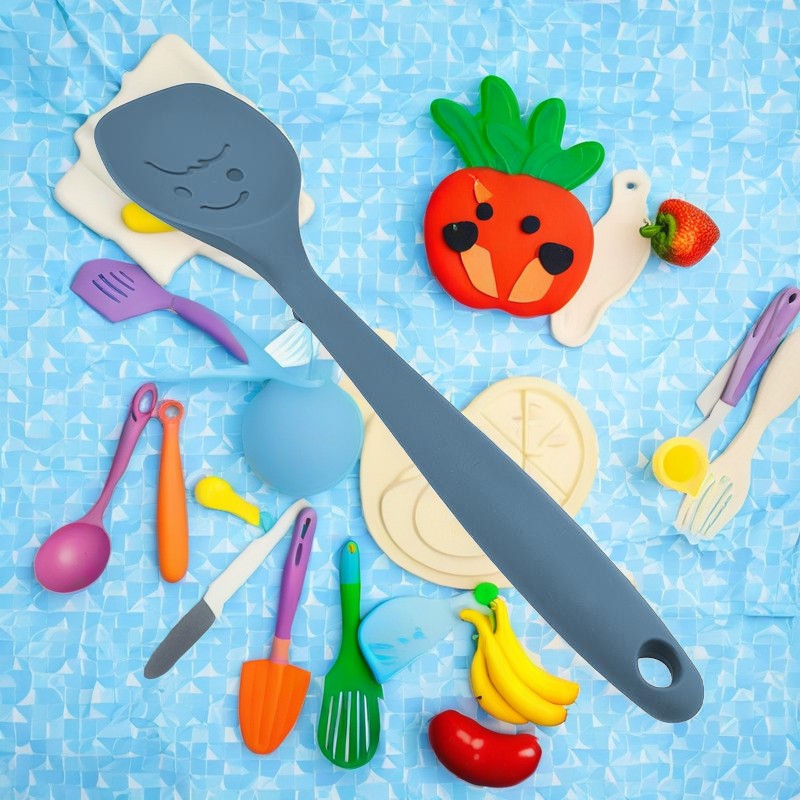
Silicone cooking utensils are often chosen for nonstick cookware because they are softer than metal tools and practical for daily stirring, folding, scraping, and serving. The original article highlighted colorful silicone spoons, heat-resistant silicone spoons, and their use with nonstick frying pans such as Sukuu1 and Okeru pans. This rewritten guide focuses on what shoppers and kitchen teams should actually evaluate: utensil shape, heat tolerance claims, handle comfort, cleaning habits, and how to avoid damaging a nonstick surface.
Whether you are buying for a home kitchen, a small catering setup, a retail assortment, or a hospitality supply program, the best choice is not simply the brightest color or the lowest price. A good silicone utensil should match the pan, the cooking task, and the cleaning routine. The right pairing can make omelets easier to turn, rice easier to stir, and sauces easier to scrape from the pan without aggressive contact.
Key Takeaways
- Use silicone utensils instead of metal tools when cooking with nonstick frying pans.
- Check the supplier's stated heat tolerance before using any silicone tool near high heat.
- Choose shapes based on the task: spatulas for flipping, spoons for stirring, and scrapers for sauces.
- Avoid leaving silicone utensils resting in a hot pan for long periods.
- For B2B sourcing, ask for material, packaging, test, and customization details instead of assuming them.
Why Silicone Works Well with Nonstick Pans
Nonstick frying pans are designed to release food with less sticking, but the surface can be damaged by sharp or abrasive tools. Silicone utensils are commonly used because their edges are flexible and less likely to scratch the coating during normal use. This makes them useful for foods that require gentle handling, such as eggs, pancakes, fish fillets, fried rice, and vegetables.
A heat-resistant silicone spoon can also help with stirring sauces or folding ingredients without scraping too harshly. However, “heat-resistant” should not be treated as unlimited heat protection. Buyers should always confirm the temperature rating from the product documentation or supplier, especially if the utensils will be used in commercial kitchens or near open flames.
Choosing the Right Utensil Shape
Different cooking jobs need different utensil shapes. A silicone spoon is useful for scooping, mixing, and serving. A wide spatula is better for turning omelets or pancakes. A narrow spatula can slide under delicate foods. A silicone scraper helps remove sauce or batter from the pan or mixing bowl.
For nonstick frying pans, look for edges that are thin enough to lift food but not so rigid that they dig into the coating. A comfortable handle also matters, particularly for repeated cooking tasks. If the original product design includes playful colors or a smiley spoon concept, that may help with retail appeal, but it should not replace basic checks for durability, safe handling, and easy cleaning.
Comparison Checklist for Buyers
| Selection Point | What to Check | Why It Matters |
|---|---|---|
| Pan compatibility | Is the utensil recommended for nonstick cookware? | Helps reduce scratching during normal cooking. |
| Heat tolerance | What maximum temperature does the supplier state? | Prevents misuse around high heat or hot pan edges. |
| Edge flexibility | Is the edge flexible enough for flipping and scraping? | Improves food release without harsh pressure. |
| Handle design | Is the grip comfortable and stable when wet? | Supports safer everyday handling. |
| Cleaning method | Is it dishwasher safe or hand-wash only? | Affects kitchen workflow and long-term appearance. |
| B2B documentation | Can the supplier provide material and testing information? | Supports responsible sourcing and product review. |
How to Use Silicone Utensils Without Damaging Cookware
Even soft utensils should be used with care. Do not press the edge forcefully into the pan, cut food inside the pan, or use the tool as a lever against the rim. When frying eggs or rice, let the food release before pushing underneath it. Nonstick cookware performs best when both heat and tool pressure are controlled.
- Preheat the pan according to the pan maker's guidance.
- Add oil or ingredients as needed for the recipe.
- Use a silicone spatula or spoon with gentle, steady movements.
- Keep the utensil away from direct flame and exposed heating elements.
- Wash and dry the utensil after use to prevent residue buildup.
It is also wise to avoid storing silicone tools loosely with sharp knives or metal accessories. Scratches, cuts, or torn edges can trap food and shorten the useful life of the utensil.
Care and Cleaning Tips
Silicone kitchen tools are usually easy to clean, but cooking oils and strongly colored sauces can leave residue if they are not washed promptly. Use warm water, mild dish soap, and a soft sponge. If a utensil is dishwasher safe, place it where it will not be bent or pressed against sharp items. If the supplier does not clearly state dishwasher suitability, hand washing is the safer assumption.
Check the tool regularly for cracks, loose handles, sticky surfaces, or damaged edges. Replace any utensil that shows signs of breakdown. For a nonstick frying pan, a damaged utensil can become less predictable and may no longer glide smoothly over the surface.
B2B Sourcing Guidance for Silicone Utensils
For wholesalers, retailers, private-label buyers, and OEM kitchenware projects, the sourcing process should include more than product photos. Ask the supplier what silicone material is used, whether the utensil has a core or one-piece structure, what packaging options are available, and what test reports or compliance documents can be provided for the target market. Do not assume certifications, food-contact approvals, or temperature ratings unless the supplier can document them.
If sourcing a set to pair with nonstick frying pans, request samples and test them with typical recipes. Check whether the spatula edge is thin enough, whether the spoon bowl is deep enough, and whether the handle remains comfortable during repeated use. If color matching is important for a retail line, confirm color tolerance, sample approval steps, and whether custom branding is available. Commercial details such as MOQ, lead time, tooling cost, and carton packing should be requested directly from the supplier.
Practical FAQ
Are silicone utensils safe for all nonstick pans?
They are generally suitable for nonstick cookware because they are softer than metal, but you should still follow the pan maker's care instructions and avoid excessive force.
Can a silicone spoon melt in a frying pan?
It can be damaged if exposed to temperatures beyond its stated limit or left against very hot surfaces. Always check the supplier's heat rating and avoid direct flame contact.
Which utensil is best for omelets?
A wide silicone spatula with a flexible edge is usually easier for lifting and folding omelets than a deep spoon.
What should wholesale buyers ask before ordering?
Ask for material details, heat tolerance information, food-contact documentation for your market, sample availability, packaging options, MOQ, lead time, and branding possibilities.
Do colorful or novelty designs affect performance?
Color and playful details can support retail appeal, but performance depends on the utensil's material, shape, edge flexibility, handle comfort, and documented heat resistance.
Final Buying Advice
Silicone cooking utensils can be a practical match for nonstick frying pans when they are selected and used carefully. Focus on documented heat resistance, smooth edges, comfortable handling, and cleaning requirements. For B2B buyers, treat every important claim as something to verify with samples and supplier documentation. That approach leads to better product decisions than relying on appearance alone.
