





OEM Plastic Kid Scissors: Sourcing Guide for Safe School Craft Tools
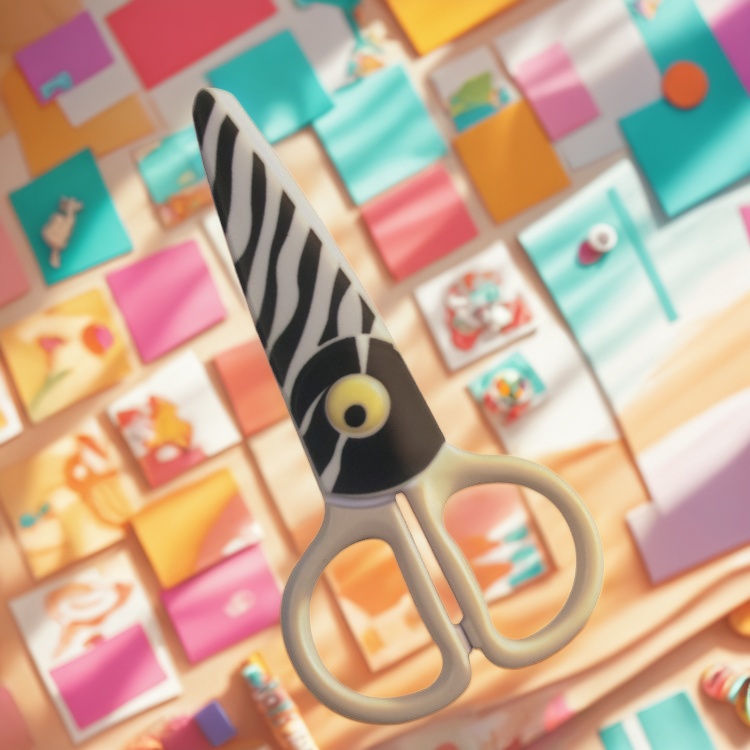
OEM plastic kid scissors are commonly sourced for school supply sets, classroom craft kits, retail stationery lines, promotional education products and home activity bundles. The purchase decision is not only about color or price. For buyers, the main concern is whether the scissors are appropriate for young users, consistent in production and suitable for the intended cutting tasks, such as paper, light card or craft sheets.
This guide explains how to evaluate plastic student scissors from a sourcing perspective. It does not assume a specific material grade, certification, MOQ, production capacity or test result. Those details should be confirmed directly with the supplier before an order is placed.
Key Takeaways
- For children’s scissors, review tip shape, blade exposure, grip size and intended age range before discussing decoration.
- OEM buyers should ask suppliers for available customization options, packaging formats, samples and quality-control checkpoints.
- Plastic kid scissors are best positioned for supervised craft and school use, not heavy-duty cutting.
- Do not rely on broad safety claims; request documentation, samples and written specifications.
Why Buyers Source OEM Plastic Kid Scissors
OEM plastic kid scissors allow a retailer, education brand or distributor to offer a product that matches its market positioning. A buyer may want a certain handle color, a school-themed assortment, branded packaging, barcode labeling or a specific set configuration. OEM sourcing can also help maintain consistency across a wider stationery range.
In education and craft categories, scissors are usually purchased in volume and used by many children over time. That makes design simplicity, usability and quality consistency important. Buyers should consider who will use the product: preschool children, primary school students, art-class users or home craft beginners. Each use case may require a different balance of cutting performance, handle comfort and safety-focused design.
Safety-Focused Design Points to Review
The original article highlights child-oriented safety features such as rounded tips, blunt edges and easy-to-hold handles. These are useful starting points, but buyers should still verify the exact design of the sample they receive. A product described as safe for children should be assessed in practical conditions, preferably with input from educators or category managers familiar with school supplies.
Important design questions include:
- Are the tips rounded enough for the intended age group?
- How much cutting edge is exposed during normal use?
- Is the handle opening comfortable for small hands?
- Can left-handed and right-handed children use the same design, or is a separate version needed?
- Does the product cut paper cleanly without requiring excessive force?
- Are there small detachable parts that may create concerns for younger users?
Because children’s products may be subject to different regulations depending on the destination market, buyers should ask which standards or testing documents can be provided. Avoid assuming that a general product description equals compliance for your market.
OEM Customization Options to Discuss
Customization is a major reason to source OEM plastic kid scissors. However, every customization request can affect cost, lead time, sample approval and packaging design. Start with the minimum changes needed for your target market, then expand if the supplier can support them reliably.
Common customization topics include handle colors, printed branding, product assortments, retail card packaging, bulk classroom packaging and language requirements for instructions or warnings. If the product is sold through retail channels, ask how the scissors will be displayed and protected during transportation. If it is used in school kits, compact packing and easy counting may matter more than shelf appearance.
Comparison Checklist for Supplier Evaluation
| Evaluation Area | What to Check | Questions to Ask the Supplier |
|---|---|---|
| Child-friendly design | Rounded tips, controlled blade exposure, suitable handle size | Which age range is this model intended for, and can you provide samples for review? |
| Cutting performance | Ability to cut paper or light craft materials smoothly | What materials is the product designed to cut, and what should it not be used for? |
| Material information | Plastic type and any metal components if applicable | Can you provide a written material description and related documentation? |
| Packaging | Retail card, polybag, classroom bulk pack or kit packing | What packaging formats are available, and can packaging text be customized? |
| Quality control | Appearance, assembly, opening and closing action, edge consistency | What inspection steps are used before shipment, and can buyers define an AQL plan? |
| Commercial terms | MOQ, sample time, production time, payment terms | What are the current terms for this model and for customized versions? |
How to Request Samples and Approve Production
A sample review should be more than a visual check. Ask for the exact version you plan to order, including color, packaging and any printed elements if available. If the supplier first sends a reference sample, record what is final and what is only for design confirmation.
- Define the target user, sales channel and intended use.
- Request product samples and packaging samples where possible.
- Test basic cutting performance on the materials expected in your market.
- Check comfort, opening and closing action, finish quality and visible defects.
- Confirm labeling, warnings and documentation requirements for your destination market.
- Approve a final pre-production sample before bulk production begins.
For bulk orders, keep one approved sample in your records and ask the supplier to keep the same reference. This reduces confusion if there are later discussions about color, finish, packaging layout or product feel.
Use Cases: Schools, Retail and Craft Kits
Plastic kid scissors are often chosen for supervised craft settings because they are lightweight and easy to include in kits. In schools, they may be part of student supply packs or classroom art materials. In retail, they can be sold as individual stationery items, paired with glue and paper, or included in back-to-school assortments.
For classroom buyers, durability and easy storage are important. For retail buyers, packaging clarity and age guidance may affect consumer confidence. For craft-kit brands, the scissor size must fit the box and match the skill level of the activity. In all cases, the product should be described honestly so users understand what it is designed to cut.
Practical FAQ
Are plastic kid scissors suitable for all ages?
No. Suitability depends on the exact design, cutting edge, handle size and local requirements. Buyers should ask the supplier for the recommended age range and review samples before ordering.
Can OEM plastic kid scissors be customized with brand colors?
Often, color and packaging customization may be possible, but availability depends on the supplier’s tooling, materials and order terms. Ask for current options, MOQ and sample costs.
What should buyers verify before placing a wholesale order?
Verify samples, material information, packaging artwork, labeling, inspection criteria, lead time and commercial terms. If your market requires specific compliance documents, request them before production.
What cutting tasks are these scissors best for?
They are generally intended for children’s paper crafts and light school activities. Buyers should confirm the intended cutting materials with the supplier and avoid marketing them for heavy-duty use unless tested and specified.
Final Sourcing Advice
OEM plastic kid scissors can be a practical product for education, stationery and craft programs when buyers evaluate them carefully. Focus first on child-appropriate design, sample performance and clear documentation. Then review branding, packaging and order terms. A reliable sourcing process helps ensure the final product matches both market expectations and the needs of young users.
