




OEM Kitchen Scissors: A Practical Sourcing Guide for Buyers
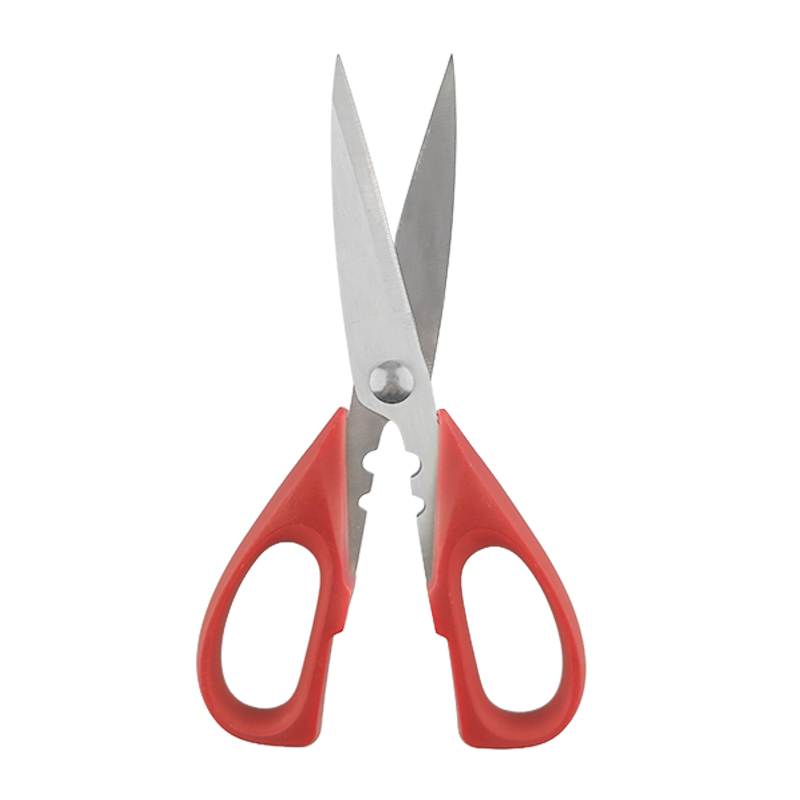
OEM kitchen scissors can be a useful addition to a cookware, houseware, supermarket, or private label kitchen tools range. For buyers, the goal is not only to find a sharp pair of scissors, but to evaluate whether the product, supplier process, packaging options, and quality controls fit the intended sales channel. The original product concept highlights stainless steel blades, a red ergonomically contoured handle, and added functions such as a nutcracker, bottle opener, and magnetized storage spot. Those details make the item suitable for positioning as a multi-purpose kitchen tool, but commercial buyers should still verify every specification before ordering.
What Buyers Should Expect From OEM Kitchen Scissors
Kitchen scissors are often used for cutting herbs, opening food packaging, trimming meat, and handling small preparation tasks. In an OEM or wholesale context, the product must be reviewed as both a working kitchen tool and a retail-ready item. A design that looks attractive in a product image still needs to perform consistently after repeated use, cleaning, and storage.
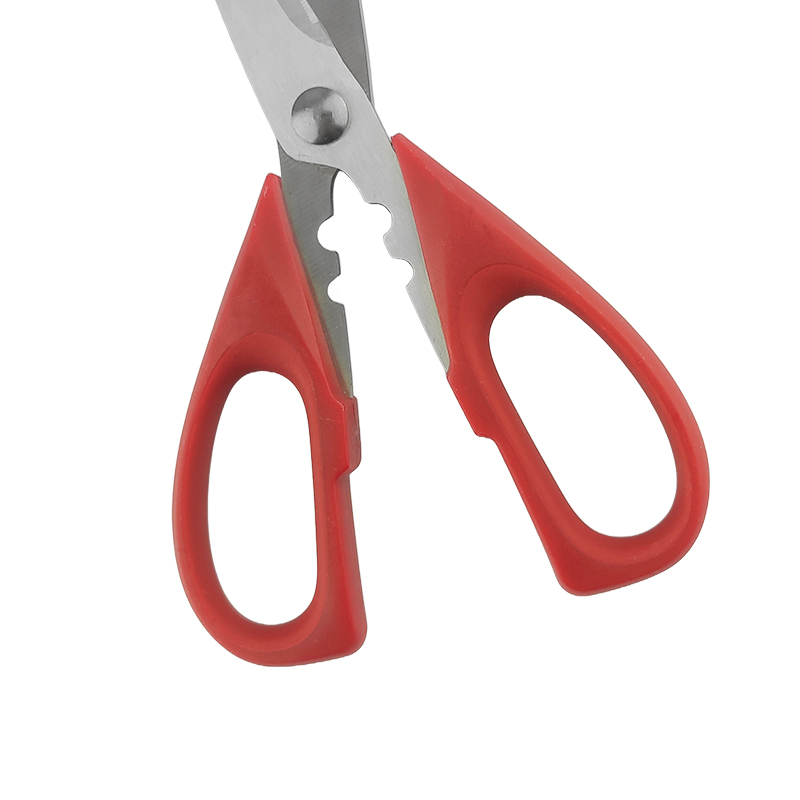
The source article states that the scissors use stainless steel blades and a contoured red handle. It also mentions integrated functions including a nutcracker, bottle opener, and magnetized spot for convenient storage. These are useful selling points, especially for retailers that want one item to cover several kitchen tasks. However, buyers should ask the supplier to confirm the exact blade material, handle material, surface treatment, dimensions, weight, packaging format, and care instructions in writing.
Key Features To Review Before Sourcing
When evaluating an OEM kitchen scissors program, focus on verifiable features rather than broad claims. A sourcing team should request samples and test them against realistic use cases. If the product is intended for herb preparation, check how cleanly it cuts soft stems. If it is promoted as a general kitchen shear, test packaging, poultry skin, thin vegetables, and common household food wrappers.
- Blade performance: confirm sharpness, alignment, and whether the stainless steel blades resist bending during normal cutting.
- Handle comfort: assess the red contoured handle for grip, balance, and comfort across different hand sizes.
- Multi-function parts: test the nutcracker, bottle opener, and magnetized storage spot for usability and durability.
- Cleaning method: ask whether the scissors separate for cleaning and what care guidance should be printed on packaging.
- Retail presentation: review hanging cards, blister packs, gift boxes, barcode placement, and instruction inserts if needed.
Comparison Checklist For Supplier Evaluation
A simple comparison table helps buyers keep supplier discussions objective. Use it during sample review and factory communication so that pricing is not the only deciding factor.
| Evaluation Area | What To Check | Questions To Ask The Supplier |
|---|---|---|
| Blade material | Stainless steel is stated in the source; exact grade is not stated | What is the exact stainless steel grade and thickness? |
| Cutting performance | Clean cutting on herbs, packaging, and common kitchen tasks | Can you provide sample units from the same production setup? |
| Handle design | Red contoured handle comfort and grip stability | What handle material is used, and can colors be customized? |
| Added functions | Nutcracker, bottle opener, and magnetized storage spot | Are these functions included in the standard model or optional? |
| OEM packaging | Logo, label, insert, and retail display requirements | What artwork files, packaging dielines, and approval steps are required? |
| Quality control | Consistency across bulk units | What inspection points are used before shipment? |
OEM Branding And Packaging Considerations
For private label buyers, branding is more than adding a logo. Kitchen scissors require clear packaging communication because consumers need to understand the functions, care instructions, and intended use. If the scissors include a bottle opener, nutcracker, and magnetic storage feature, the packaging should explain these functions without overstating performance.
Ask whether the supplier can support your required logo placement, color matching, instruction copy, barcode format, warning text, and multilingual packaging. Do not assume that every factory can handle all artwork, prepress, and packaging approvals internally. If your market requires specific labeling or safety information, request documentation and confirm responsibility for compliance review before production begins.
Factory And Supplier Questions For B2B Buyers
Because the topic involves OEM kitchen scissors and factory sourcing, buyers should ask direct operational questions. Avoid relying only on catalog descriptions. A professional supplier should be able to explain what is standard, what is customizable, and what requires tooling or packaging changes.
- What parts of the scissors can be customized: handle color, logo, packaging, blade finish, or accessories?
- What is the sample process, and will the sample match mass production materials?
- What are the minimum order quantities for standard and customized versions?
- What quality checks are performed for blade alignment, sharpness, handle fit, and function testing?
- What lead time applies after artwork approval and sample confirmation?
- What export packaging is used to reduce damage during international shipping?
These questions help separate a general trading conversation from a production-ready sourcing discussion. They also make it easier to compare several suppliers fairly.
Use Cases And Product Positioning
OEM kitchen scissors can fit several sales channels. A supermarket may position them as an everyday food preparation tool. A cookware brand may present them as part of a coordinated utensil range. A promotional buyer may choose them for a practical homeware campaign. The built-in nutcracker, bottle opener, and magnetic storage feature can support a multi-purpose message, while stainless steel blades and a comfortable handle remain the core functional points.
For herb-focused positioning, test fine cutting performance and cleaning convenience. For general kitchen positioning, show broader applications such as cutting food packaging, trimming ingredients, and opening bottles. For wholesale or online retail, include clear product photos that show the blade, handle, and integrated functions from multiple angles.
Quality Checks Before Confirming A Bulk Order
Before placing a larger order, buyers should run a structured sample review. A small defect in scissors can affect user experience quickly, especially if the blades rub, the handles feel loose, or the cutting edge dulls too soon. Even when a product looks simple, consistent assembly matters.
Recommended checks include cutting paper or herbs to assess blade alignment, opening and closing the scissors repeatedly to check smoothness, inspecting the handle for rough edges, testing the bottle opener and nutcracker functions, and confirming that the magnetized spot holds as expected on a suitable metal surface. If any claim appears on packaging, make sure it is supported by the approved specification.
Key Takeaways
- OEM kitchen scissors should be evaluated as both a cutting tool and a branded retail product.
- The source product includes stainless steel blades, a red contoured handle, a nutcracker, bottle opener, and magnetized storage spot.
- Buyers should confirm exact materials, dimensions, packaging, testing, MOQ, and lead time directly with the supplier.
- Samples should be tested against real kitchen tasks before bulk approval.
- Clear packaging and care instructions reduce confusion for end users and retail partners.
FAQ
What should I ask a kitchen scissors factory before ordering?
Ask about exact blade material, handle material, customization options, sample timing, packaging support, quality inspection points, MOQ, lead time, and export carton details.
Can OEM kitchen scissors be used for herbs?
Yes, kitchen scissors are commonly used for herbs, but buyers should test sample units to confirm clean cutting performance on soft stems and leaves.
Are the added nutcracker and bottle opener functions important?
They can improve retail appeal, especially for multi-purpose positioning. However, they should be tested during sample review to confirm they work comfortably and consistently.
Should buyers request compliance documents?
Yes. Requirements vary by market and sales channel, so buyers should ask suppliers what documents are available and consult their own compliance team before importing or selling.
How can I avoid misunderstandings in an OEM order?
Use a written specification sheet, approved sample, packaging artwork approval, inspection checklist, and purchase agreement that clearly states what is included in the final product.
