




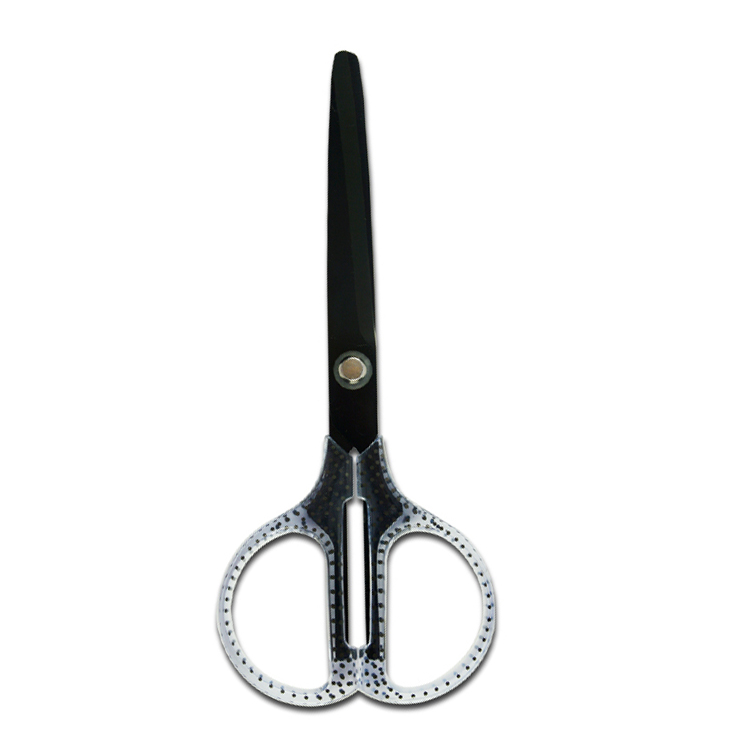
Enhance Cutting Tasks with Custom Stationery Scissors
Custom stationery scissors are small tools, but they influence many daily cutting jobs in offices, schools, studios, packaging desks, and retail stationery ranges. A well-chosen pair should cut cleanly, feel comfortable in the hand, store safely, and match the user scenario. The original product details describe a New Pattern Cover Stationery Scissors Series with 6-1/4" scissors in sage green and peachy pastel finishes, 7" scissors with a rainbow blade, and protective blade covers featuring motifs such as panda cartoons, black swans, and graceful flowers. Those details point to a product category where practical cutting performance and visual design both matter.
This guide explains how to evaluate custom stationery scissors for everyday use and B2B sourcing. It avoids assuming unlisted specifications, because buyers should confirm material, coating, packaging, compliance, minimum order quantity, and other commercial details directly with the supplier before placing an order.
Key Takeaways
- Choose scissor size based on the main task: compact scissors for paper and desk use, larger scissors for longer cuts or thicker stationery materials.
- Protective blade covers can improve storage safety and make the product more suitable for school, office, and giftable stationery sets.
- Handle comfort matters for repeat use, especially in craft, packaging, and administrative environments.
- For wholesale or OEM projects, ask clear questions about materials, sample approval, packaging options, quality control, and lead time.
- A decorative finish should not replace functional checks such as cutting smoothness, hinge stability, and blade alignment.
What Custom Stationery Scissors Are Used For
Stationery cutting tools are generally designed for light to medium tasks rather than heavy industrial cutting. Common uses include trimming paper, opening envelopes, cutting ribbon, preparing labels, shaping craft paper, clipping packaging tape, and supporting classroom or office projects. The source article also mentions use with paper, ribbon, and fabric. Because fabric can vary greatly in thickness and weave, buyers should test samples with the exact materials they expect users to cut.
Custom stationery scissors are especially relevant when appearance has value as well as utility. Retail stationery brands, office supply distributors, school product buyers, and promotional gift companies may want scissors that coordinate with a collection. Colors such as sage green and peachy pastel can fit soft stationery themes, while novelty blade covers with panda, black swan, or flower motifs can help a product stand out on a desk or in a retail display.
Size, Grip, and Cutting Control
The original article highlights two useful size references: 6-1/4" scissors and 7" scissors. A 6-1/4" pair is typically suited to desk drawers, pencil cases, school kits, and light craft tasks. It is compact enough for storage but still large enough for common paper cuts. A 7" pair gives users a little more reach, which can help with longer cuts across sheets, wrapping paper, ribbon, or light packaging materials.
Grip comfort should be assessed through actual handling, not just photos. Ask whether the handle shape supports the expected user group and whether the finger openings feel comfortable during repeated cutting. For B2B buyers, it is worth requesting samples for staff or target users to test before confirming a bulk order. Small discomforts can become significant when scissors are used daily at packing desks, schools, or craft stations.
Blade Covers and Desk Safety
Protective blade covers are a practical feature in the New Pattern Cover Stationery Scissors Series. A cover helps reduce accidental contact with blade edges when the scissors are stored in a drawer, pencil pouch, craft box, or school bag. It also protects the blades from rubbing against other items, which may help preserve cutting feel during ordinary storage.
The decorative cover motifs mentioned in the source, including panda cartoons, black swans, and graceful flowers, add a visual reason for users to keep the cover attached. For retail buyers, this can improve shelf appeal. For office and school buyers, the cover can support tidier storage and easier identification of shared tools. However, buyers should confirm how securely the cover fits and whether it remains stable during transport.
Comparison Checklist for Choosing Stationery Scissors
| Selection Point | What to Check | Why It Matters |
|---|---|---|
| Size | Compare 6-1/4" and 7" options against the intended task. | Smaller scissors store easily; larger scissors may support longer cuts. |
| Cutting material | Test paper, ribbon, tape, or fabric samples before ordering. | Actual cutting performance depends on the material being used. |
| Handle comfort | Check grip shape, finger room, and comfort during repeated cuts. | Poor ergonomics can slow office or craft work. |
| Blade cover | Confirm cover fit, appearance, and durability during storage. | A secure cover improves portability and presentation. |
| Design finish | Review colors, motifs, and blade appearance in physical samples. | Visual consistency matters for retail sets and branded programs. |
| Supplier details | Ask about materials, packaging, MOQ, lead time, and inspection steps. | Commercial terms should be verified before bulk purchasing. |
B2B Sourcing Guidance for Custom Stationery Scissors
For distributors, wholesalers, and OEM buyers, the most important step is to separate confirmed product facts from assumptions. The source article mentions sizes, colors, a rainbow blade option, and cover motifs, but it does not state blade material, handle material, coating process, packaging format, certifications, MOQ, or production capacity. Those details should be requested in writing.
Before placing a wholesale order, ask the supplier practical questions: What materials are used for the blade, handle, and cover? Are custom colors or motifs available? What artwork files are required for OEM patterns? Can the supplier provide pre-production samples? How is blade sharpness or cutting consistency checked? What packaging options are available for retail, school kits, or promotional programs? What is the standard lead time after sample approval?
Buyers should also request realistic product photos or physical samples under the same finish they intend to order. Decorative elements such as pastel handles, rainbow blades, and illustrated covers can look different under studio lighting than they do in retail environments. If the product will be used by children or sold in regulated markets, ask the supplier what safety and compliance documentation is available for the destination market, instead of assuming suitability.
How to Match Scissors to Use Cases
Different users value different features. Office teams often need reliable paper cutting, easy drawer storage, and a comfortable handle. Craft users may care more about control, color coordination, and clean cuts on ribbon or decorative paper. School and stationery gift buyers may prioritize blade covers, compact size, and approachable designs. Promotional buyers may look for surface areas that can carry a pattern, color theme, or branded packaging.
- Define the main cutting materials and the expected frequency of use.
- Select a size that fits both the task and the storage environment.
- Request samples and test them with real paper, ribbon, or fabric.
- Check whether the cover, handle color, and motif match the target market.
- Confirm commercial details before approving artwork or bulk production.
Care and Storage Tips
Even basic office stationery scissors perform better when users treat them properly. Keep them dry, wipe adhesive residue from the blades after cutting tape, and store them with the blade cover in place when available. Avoid using stationery scissors for wire, thick plastic, or heavy cardboard unless the supplier confirms the product is intended for those tasks. Misuse can affect cutting alignment and shorten the useful life of the tool.
In shared offices or classrooms, assign scissors to a specific storage location so they are not mixed with utility knives, metal tools, or wet craft supplies. If the scissors begin to pull, bend, or snag the material instead of cutting smoothly, remove them from daily use and inspect the hinge and blade condition.
FAQ
What makes stationery scissors different from general household scissors?
Stationery scissors are usually selected for paper, ribbon, labels, envelopes, craft sheets, and desk tasks. They often emphasize compact storage, comfortable handling, and visual design.
Are 6-1/4" scissors or 7" scissors better?
Neither size is automatically better. A 6-1/4" pair is convenient for pencil cases and desk drawers, while a 7" pair may feel better for longer cuts or slightly larger materials.
Why choose scissors with a protective blade cover?
A blade cover supports safer storage, protects the blade edges from contact with other desk items, and can add decorative value when the cover includes a motif.
Can custom stationery scissors cut fabric?
The source mentions fabric as a possible material, but buyers should test the exact fabric type before ordering. Thin craft fabric and thicker textiles can perform very differently.
What should wholesale buyers confirm before ordering?
Ask about materials, customization options, sample approval, packaging, quality checks, lead time, MOQ, and any documentation required for the target market.
Can the design be customized for a retail stationery line?
It may be possible, but customization options should be confirmed with the supplier. Ask about available colors, cover motifs, artwork requirements, and sample costs before planning a launch.
