




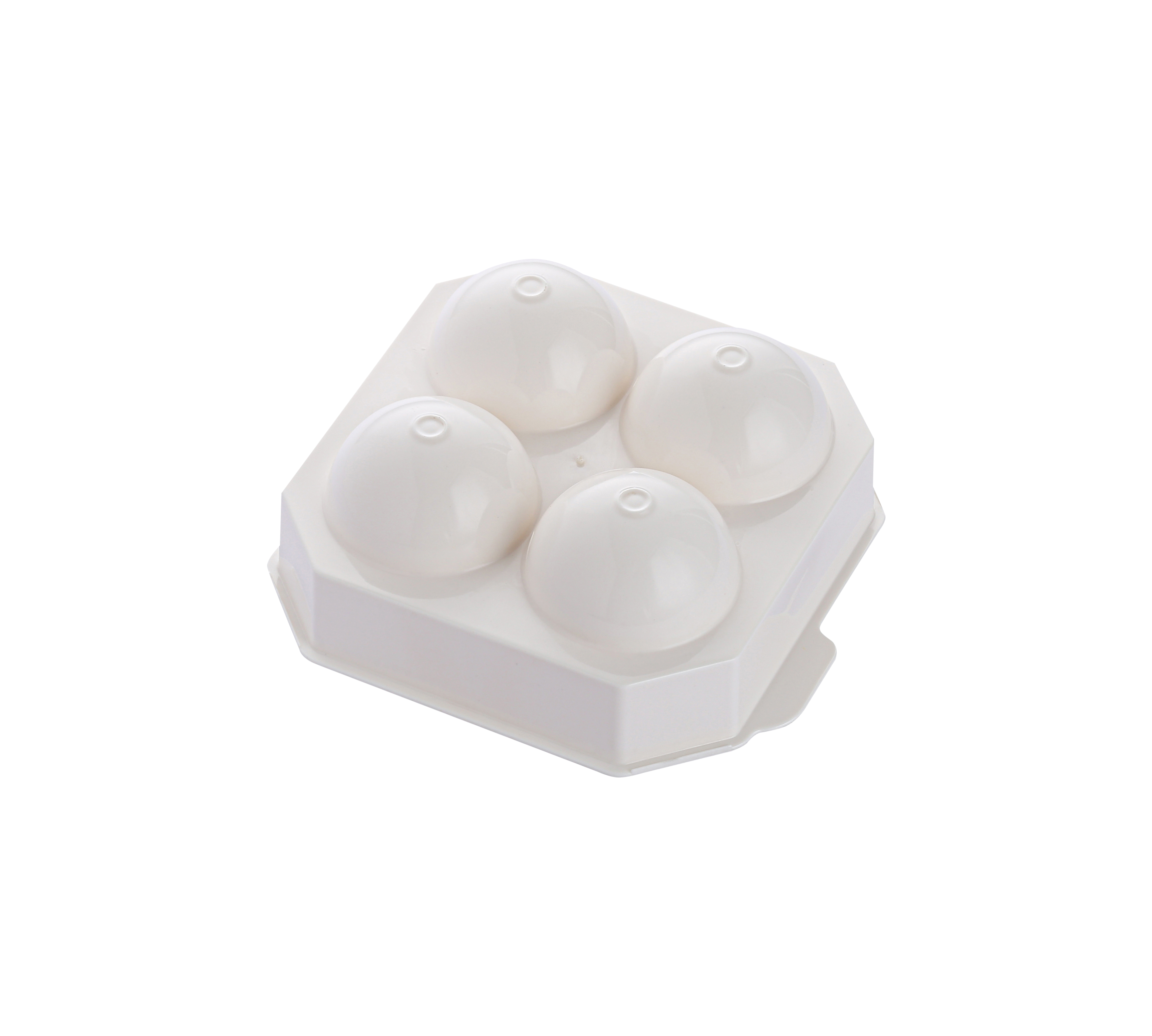
Enhance Drinks with Custom Silicone Ice Trays
Custom silicone ice trays are useful for more than making standard freezer cubes. For bars, hospitality buyers, promotional gift companies, kitchenware distributors, and private-label brands, they can support beverage presentation, brand differentiation, and practical everyday use. The key is to treat the product as both a functional mold and a sourcing project: the shape, closure, release performance, packaging, and supplier communication all affect the final customer experience.
The original product concept highlights a Designer Ice Ball Maker made from BPA-free silicone with a four-slot design, compact stackability, a secure seal to help prevent spills, and hand grips for easier removal. Those are relevant features to consider, but B2B buyers should still verify material documents, dimensions, packaging options, and customization limits directly with the supplier before ordering.
Key Takeaways
- Custom silicone ice trays are best evaluated by shape, ease of filling, sealing, release, and storage efficiency.
- Ice ball molds are often chosen for cocktails, spirits, infused water, and presentation-focused beverage service.
- For OEM or wholesale projects, ask suppliers about tooling, logo placement, packaging, samples, and quality checks.
- Do not rely on visual samples alone; test freezing, unmolding, odor, fit, and cleaning before confirming a bulk order.
Why Custom Silicone Ice Trays Matter for Beverage Programs
Ice affects how a drink looks, chills, and dilutes. Large-format ice shapes, including spheres, melt more slowly than many small cubes because they have less surface area exposed relative to volume. This can help cocktails, spirits, cold brew, soft drinks, and infused water stay cold while reducing rapid dilution. For restaurants, bars, hotels, and event planners, consistent ice shapes also improve presentation across service.
Custom silicone ice trays can be used to create round ice balls, geometric shapes, branded forms, or molds sized for specific glassware. Some users also freeze herbs, fruit slices, edible flowers, or colored liquids into the mold. When sourcing for resale or private label, however, remember that creative design must not make the product difficult to fill, stack, clean, or release. A clever shape that fails in daily use can lead to returns and poor reviews.
Product Features to Evaluate Before Buying
A silicone ice tray should be flexible enough to release ice without cracking, yet structured enough to keep its shape in the freezer. The referenced Designer Ice Ball Maker includes four slots, a compact stackable format, a secure seal, and hand grips. These are practical features because they address common complaints: spills during transfer, freezer clutter, and difficult ice removal.
For a buyer comparing samples, focus on the full use cycle. Fill the tray at a sink, carry it to the freezer, stack it with other items, freeze it fully, release the ice, rinse it, and repeat. This simple process reveals details that a product photo cannot show, such as whether the lid aligns cleanly, whether the mold tips over easily, and whether the ice releases without excessive force.
Comparison and Sourcing Checklist
| Evaluation Point | What to Check | Questions to Ask the Supplier |
|---|---|---|
| Material | Silicone feel, odor, flexibility, and stated BPA-free claim | Can you provide material documentation for the silicone used in this product? |
| Mold design | Sphere size, cavity count, fill opening, lid fit, and spill resistance | What dimensions are available, and can the design be adjusted for an OEM project? |
| Ease of release | Whether ice comes out cleanly after full freezing | Do you recommend any usage instructions to improve release performance? |
| Stackability | How securely multiple trays sit in a freezer | Has the tray been designed for stable stacking during storage and transport? |
| Customization | Logo, color, packaging, shape, and instruction leaflet options | What customization methods are available, and what files or approvals are required? |
| Quality control | Consistency of lids, seams, cavities, and finished appearance | What inspection steps are used before shipment, and can buyers review samples first? |
Customization Options for Brands and Distributors
Customization can mean several different things. A buyer may want a private-label package, a specific silicone color, a logo on the mold or lid, a unique cavity shape, or a full OEM design. Each option has different cost, tooling, lead time, and approval implications, so it is important to define the scope early.
For a silicone ice cube trays supplier, simple packaging changes may be easier than a new mold shape. A custom logo may require confirmation of placement, size, visibility, and whether it affects cleaning or ice release. A new ice shape may require tooling discussions and sample rounds. Buyers should ask for drawings, prototypes, or pre-production samples where appropriate rather than assuming that every custom idea can move directly into mass production.
How to Choose a Silicone Ice Tray Manufacturer
A reliable silicone ice tray manufacturer should communicate clearly about product design, material information, sample availability, packaging, and inspection procedures. Since commercial details vary by project, buyers should ask direct questions instead of relying on assumptions. Avoid claims that are not supported by documents or samples.
- Request product specifications: Ask for dimensions, cavity volume, item weight, packaging size, and available colors.
- Confirm material claims: If BPA-free silicone is required, ask what documentation can be provided.
- Review sample performance: Test filling, sealing, freezing, unmolding, washing, and odor after repeated use.
- Discuss branding needs: Clarify logo method, packaging artwork format, color matching, and approval process.
- Ask about order terms: Confirm MOQ, lead time, payment terms, sample fees, and shipping options directly with the supplier.
- Plan quality expectations: Define acceptable appearance, lid fit, packaging condition, and inspection requirements before production.
Use and Care Guidance for End Users
Whether the tray is sold as a retail kitchenware item or used in a bar program, good instructions reduce complaints. Users should fill the mold to the indicated level, close the seal carefully, and place it on a flat freezer surface. Overfilling can cause expansion issues, while underfilling may create incomplete spheres. For clearer ice, users may experiment with filtered or pre-boiled water, but results depend on freezer conditions and water quality.
To release ice, let the mold sit briefly at room temperature or run the outside under cool water, then use the hand grips or flexible body to loosen the sphere. Avoid sharp tools that can damage silicone. After use, wash and dry the tray thoroughly before storing it. If the product includes brand-specific care instructions, those should be printed clearly on packaging or included as an insert.
Common Applications for Custom Ice Ball Molds
Ice ball makers are commonly used for whiskey, cocktails, mocktails, iced tea, cold brew, sparkling water, and infused water. In hospitality settings, they can create a consistent presentation without requiring a bartender to carve ice by hand. For gifting, a compact four-slot design can be attractive because it is easy to store and simple to explain. For wholesale buyers, the strongest products are usually those that combine visual appeal with reliable everyday handling.
When selecting a product line, consider who will use it. A home user may prioritize easy release and dishwasher-friendly care instructions if applicable. A bar may prioritize speed, capacity, and storage stability. A promotional buyer may care most about packaging, logo visibility, and perceived gift value. The same mold will not be ideal for every channel, so match the specification to the sales environment.
FAQ
What makes silicone suitable for ice trays?
Silicone is flexible, which helps users release frozen ice more easily than rigid trays. Buyers should still confirm the exact material details and documentation with the supplier.
Are round ice balls better than standard cubes?
Round ice balls can melt more slowly than many small cubes, making them useful for spirits and cocktails where slower dilution is preferred. The best choice depends on drink type and glass size.
Can custom silicone ice trays include a logo?
Often they can, but the method depends on mold design, logo size, location, and production process. Ask the manufacturer for available branding options and sample approval steps.
What should buyers test in a sample?
Test filling, lid seal, spill control, freezer stackability, ice release, odor, washing, and packaging. Repeat the test several times to check consistency.
What commercial details should be confirmed before ordering?
Ask about MOQ, sample timing, lead time, packaging, customization fees, inspection process, payment terms, and shipping method. These details should be confirmed in writing before production.
