




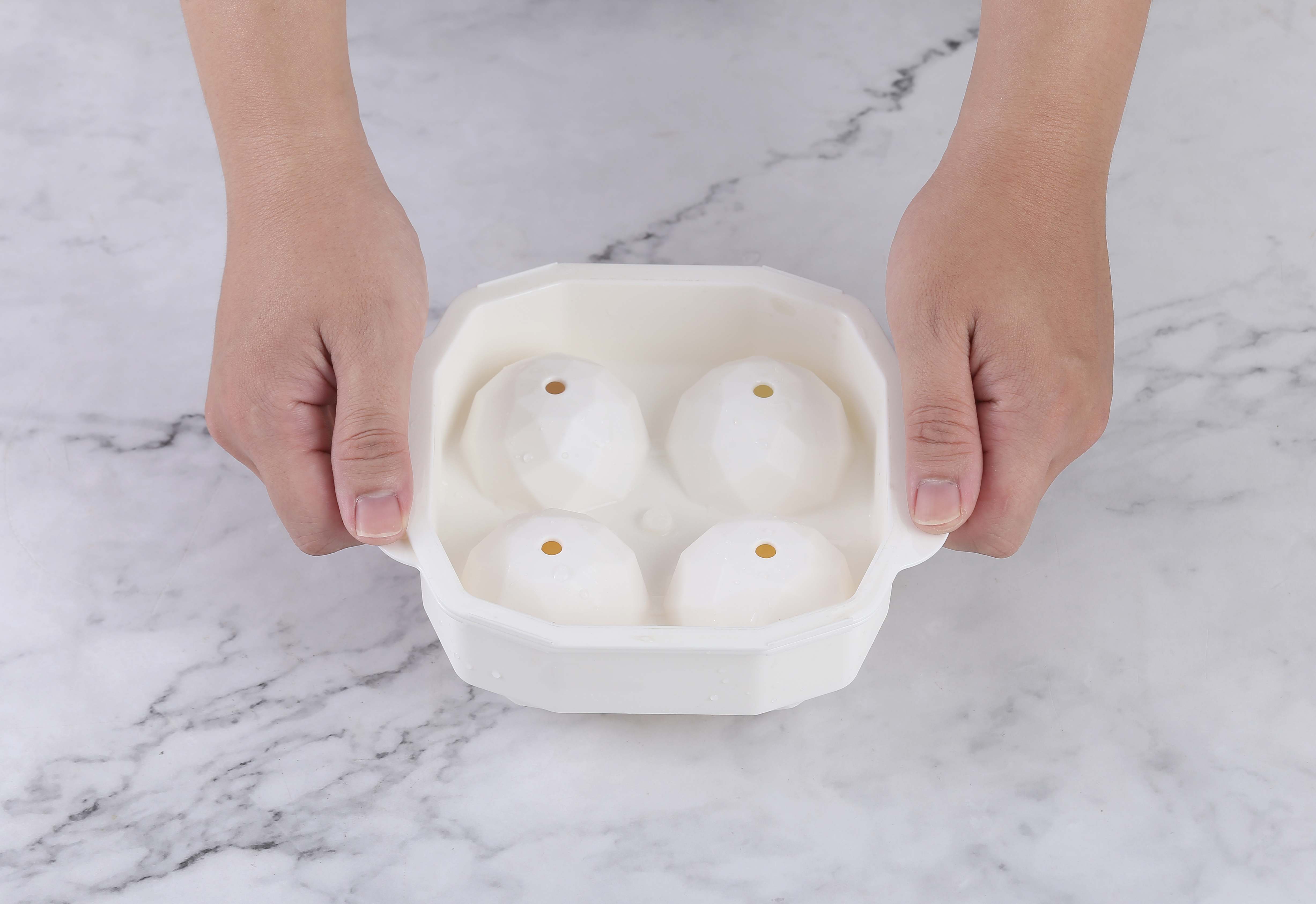
Enhance Drinks with Custom Silicone Ice Trays
Custom silicone ice trays are useful for more than making standard cubes. For home users, bars, event planners, and promotional buyers, they can improve drink presentation, support creative infusions, and make batch preparation easier. The original appeal is simple: flexible silicone helps release ice cleanly, while custom shapes, colors, and sizes can be matched to a drink menu, brand concept, or occasion.
For B2B buyers, the decision should go beyond appearance. A silicone ice tray is a repeated-use product that touches food and beverages, so supplier selection, material questions, sample evaluation, packaging, and after-sales communication all matter. This guide explains practical uses, feature considerations, and sourcing questions to ask before placing a wholesale or OEM order.
Key Takeaways
- Custom silicone ice trays can be used for cocktails, infused water, herbs, baby food portions, and dessert decoration.
- Flexible silicone and non-stick surfaces can make ice removal easier than rigid trays.
- For wholesale or OEM projects, ask the supplier to confirm material, temperature range, customization options, packaging, and compliance documentation.
- Samples are important because shape detail, lid fit, stacking, odor, release performance, and freezer stability are hard to judge from photos alone.
What Custom Silicone Ice Trays Are Used For
Custom silicone ice trays are designed to freeze water or other food-safe liquids into specific shapes. Common uses include classic ice cubes, large drink cubes, novelty shapes, fruit-infused ice, herb portions, and small frozen servings for food prep. Their flexible structure allows the user to press or twist the tray to release ice without cracking the shape as easily as some rigid plastic trays.
In beverage service, the main benefit is consistency. A bar, café, hotel, or event team can prepare ice in the same shape and size for signature drinks. At home, users can freeze citrus slices, berries, mint, or coffee into cubes for flavored drinks. For kitchen prep, small cavities can be used to freeze herbs in water or oil, baby food portions, or decorative dessert elements.
Why Silicone Matters for Ice Release and Daily Handling
The original article highlights flexible, food-grade silicone, BPA-free material, non-stick surfaces, stackable design, reusability, and dishwasher-safe use. These are useful features when they are verified for the exact product being purchased. Flexibility is especially important because it helps remove ice without forcing a knife or running the tray under warm water for too long.
For daily handling, buyers should also evaluate tray thickness, rim strength, cavity depth, and whether the tray stays stable when filled with water. A tray that bends too much may spill before it reaches the freezer. A tray that is too rigid may not release detailed shapes cleanly. If stackability is important, check whether the tray includes a lid or whether the top surface remains level enough to support another tray.
Comparison Checklist for Buyers
| Selection point | What to check | Why it matters |
|---|---|---|
| Material claims | Ask whether the tray is food-grade silicone and BPA-free, and request supporting documents if needed. | Food-contact products should be reviewed carefully before retail or hospitality use. |
| Ice release | Test samples with plain water, fruit pieces, and larger cubes. | Release performance can vary by shape, wall thickness, and cavity depth. |
| Temperature range | Confirm the stated temperature range for the exact item, such as the original range of -40°F to 446°F if offered. | Temperature claims should match the product specification and intended use. |
| Customization | Confirm available colors, sizes, shapes, logo methods, and packaging options. | OEM and promotional orders need clear design boundaries before tooling or production. |
| Stacking and storage | Check lid fit, tray levelness, and freezer footprint. | Bars and event teams often prepare many trays at once. |
| Cleaning | Ask whether the tray is dishwasher-safe and review cleaning instructions. | Easy cleaning supports repeat use and reduces odor transfer. |
Customization Options to Discuss with a Supplier
Custom silicone ice trays can be tailored by shape, cavity size, color, and sometimes branding. Before asking a silicone ice tray manufacturer for a quotation, prepare a simple brief. Include the target user, drink type, desired ice size, expected packaging format, and whether the tray is for retail, hospitality, gifting, or an event.
Useful questions include:
- What colors and sizes are currently available without new tooling?
- Can the supplier produce a custom cavity shape, and what information is needed for a design review?
- Is logo placement possible on the tray, lid, or packaging?
- What sample options are available before a bulk order?
- What documents can be provided for material and food-contact review?
- How should the trays be packed to avoid deformation during shipping?
A reputable silicone ice cube trays supplier should be able to explain the difference between existing mold options and fully custom tooling. If important details such as material, packaging, or sample timing are unclear, ask for written confirmation before moving forward.
Practical Beverage and Food Prep Ideas
For cocktails, larger cubes or spheres can reduce dilution compared with small chips because they expose less surface area relative to volume. For non-alcoholic drinks, custom trays can freeze lemon slices, cucumber, berries, mint, or brewed tea. Coffee cubes are useful for iced coffee because they chill the drink without watering it down.
Outside beverage service, silicone trays can help with portion control. Freeze chopped herbs with water or oil for cooking, make small servings of baby food, or prepare decorative dessert pieces. When using ingredients other than water, leave some room for expansion and avoid overfilling. Strong flavors such as garlic, coffee, or herbs may leave odor, so separate trays by use if flavor transfer is a concern.
Use, Cleaning, and Storage Tips
For best results, place the tray on a flat surface before filling. If the tray is very flexible, set it on a small baking sheet before carrying it to the freezer. Fill cavities slowly to avoid trapped air, especially in detailed shapes. For fruit or herb infusions, add the ingredient first, then pour water around it.
- Rinse the tray before first use and follow the supplier’s cleaning instructions.
- Do not use sharp tools to remove ice, as they may damage the silicone surface.
- Allow ice to sit briefly at room temperature if a detailed shape does not release immediately.
- Store trays dry to reduce odor and dust accumulation.
- Keep trays away from strong-smelling freezer items when possible.
B2B Sourcing Guidance for Wholesale and OEM Orders
When sourcing custom silicone ice trays, focus on verifiable details rather than broad claims. Ask for product specifications, sample photos, sample availability, packaging information, and any relevant test or compliance documents the supplier can provide. Do not assume a tray is suitable for every market simply because it is described as food-grade; requirements can vary by destination and sales channel.
For event or promotional orders, confirm color matching tolerance, logo approval steps, carton labeling, and lead time. For retail programs, request packaging dimensions, barcode or labeling options if needed, and instructions for end users. For hospitality buyers, prioritize durability, easy cleaning, stackability, and consistent cavity size. The best supplier conversation is specific: share the intended use and ask the manufacturer to identify any design or production limitations before the order is finalized.
FAQ
Are custom silicone ice trays only for cocktails?
No. They are commonly used for cocktails, infused water, coffee cubes, herb portions, baby food, and dessert decoration.
What should I ask a silicone ice tray manufacturer before ordering?
Ask about material, BPA-free status, temperature range, available shapes and colors, sample options, packaging, cleaning guidance, and any documents needed for your market.
Can silicone trays be stacked in the freezer?
Some designs are stackable, especially when they have a stable rim or lid. Confirm this with the supplier and test a filled sample.
How do I prevent odor transfer?
Wash and dry trays thoroughly, store them away from strong-smelling foods, and consider separate trays for coffee, herbs, and plain ice.
Is a custom mold always required?
Not always. A supplier may already have existing molds for common shapes and sizes. Fully unique shapes usually require additional design review and tooling discussion.
