




Heat-Resistant Silicone Cooking Utensils: A Practical Guide
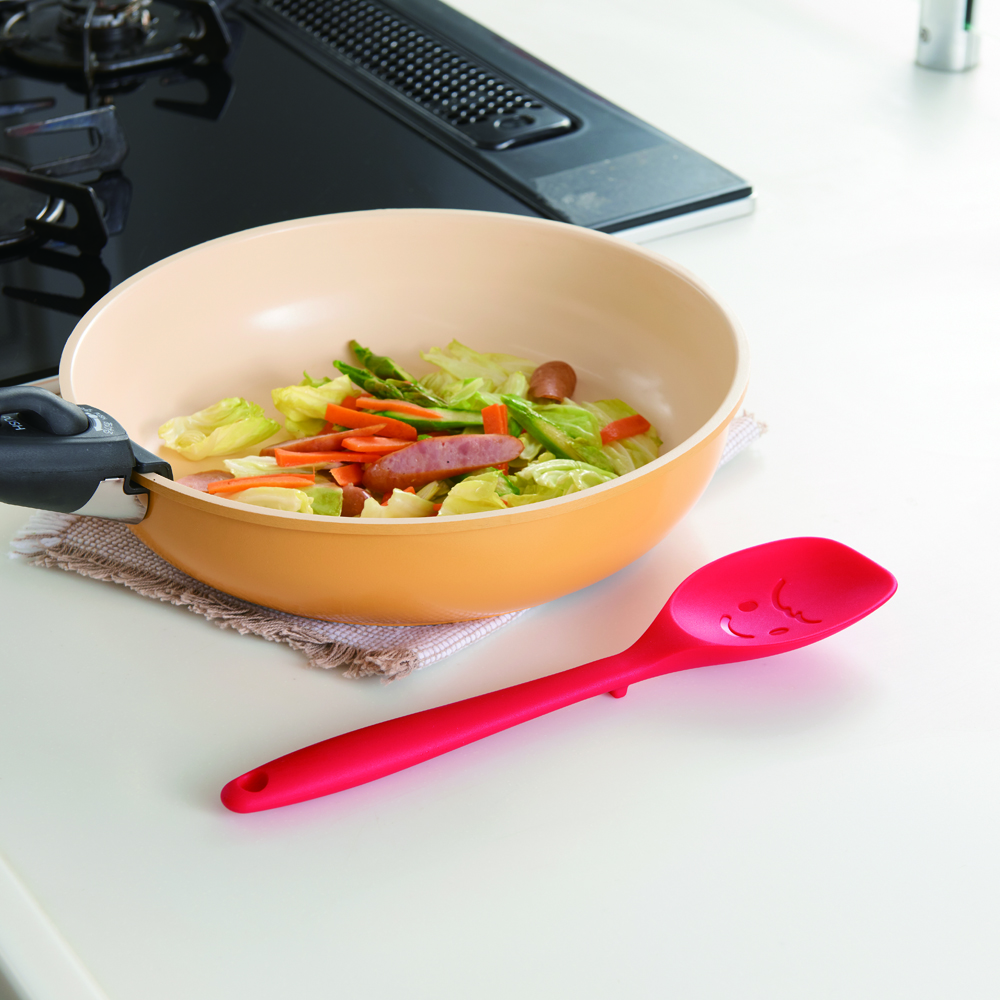
Silicone cooking utensils have become common in home kitchens, food-service prep areas, and retail kitchenware ranges because they are versatile, colorful, and convenient for everyday cooking tasks. The original product focus highlights examples such as the red Sukuu1 heat-resistant silicone spoon and colorful Okeru Spoon designs, both positioned as practical tools for stirring soup, serving hot dishes, and adding visible color to the kitchen.
This guide explains what buyers should look for when selecting silicone utensils, how consumers can use and care for them, and what B2B purchasers should ask before placing wholesale, OEM, or supplier orders. It avoids assumptions about material grade, certification, or performance limits unless a supplier provides documented answers.
Key Takeaways
- Silicone utensils are valued for versatility, heat resistance, durability, and color options.
- A spoon for soup, sauces, or serving hot dishes should feel stable in the hand and be easy to clean.
- Buyers should ask suppliers for material, heat-resistance, testing, packaging, and compliance documentation.
- Consumers should avoid using any utensil beyond the temperature or care instructions supplied by the manufacturer.
- Colorful products such as red or bright silicone spoons can support merchandising, but performance details still matter.
Why Silicone Cooking Utensils Are Popular
Silicone utensils are often chosen because they are light, flexible enough for common cooking motions, and available in strong colors. In the source article, the Sukuu1 spoon is described as a heat-resistant silicone spoon, while the Okeru Spoon is presented as a colorful silicone spoon option. Those details point to two important buying drivers: functional cooking use and visual appeal.
For everyday cooks, a silicone spoon can be used when stirring soups, mixing sauces, serving hot dishes, or handling recipes where a smooth utensil surface is preferred. For retailers and distributors, silicone utensils are easy to understand as a product category: they fit into kitchen tool sets, single-spoon displays, seasonal color collections, and promotional cooking ranges.
However, popularity should not replace due diligence. Not every silicone utensil has the same handle structure, head thickness, flexibility, odor control, colorfastness, or heat-resistance rating. Buyers should compare samples carefully and confirm claims in writing.
How to Choose a Silicone Spoon for Daily Cooking
A good silicone cooking spoon should match the tasks it will perform. A deeper spoon bowl is useful for soup, stew, and serving sauces, while a flatter spoon profile may work better for folding ingredients or stirring thicker mixtures. The original article mentions stirring soup and serving hot dishes, so the spoon should feel comfortable during repeated motion and stable when lifting food.
Handle comfort also matters. The source describes a smooth ergonomic design with a comfortable and secure grip. When evaluating samples, hold the spoon with dry hands and slightly damp hands. Check whether the handle feels slippery, too thin, too flexible, or awkward at the balance point. For commercial kitchens, small comfort issues can become bigger problems during long prep sessions.
Color is another selection point. A vibrant red spoon or a mixed-color Okeru-style collection can make a kitchen display easier to shop and help users identify tools quickly. Still, color should be considered alongside cleaning performance, odor retention, packaging quality, and supplier documentation.
Comparison Checklist for Buyers
| Selection Point | What to Check | Question to Ask the Supplier |
|---|---|---|
| Heat resistance | Declared temperature range and intended cooking use | What heat-resistance data or test report can you provide? |
| Material details | Silicone type, filler policy, and food-contact suitability | What material specification is used for this utensil? |
| Handle design | Grip comfort, balance, stiffness, and hanging option | Can we review physical samples before confirming an order? |
| Color quality | Consistency between batches and resistance to visible fading | How do you control color matching for repeat orders? |
| Cleaning and care | Manufacturer instructions for washing and storage | What care instructions should appear on packaging? |
| Packaging | Retail card, bulk pack, barcode, label space, and language needs | Can packaging be adapted for our market requirements? |
Use and Care Tips for Consumers
Silicone utensils are simple to use, but proper care helps preserve their appearance and function. Always follow the supplier's instructions, especially for maximum temperature, dishwasher use, and contact with open flame or hot pan edges. A utensil described as heat-resistant is not automatically suitable for every high-heat condition.
- Wash new utensils before first use with warm water and mild detergent.
- Do not leave a spoon resting in a hot pan longer than the manufacturer recommends.
- Avoid direct flame, broiler exposure, or contact with heating elements unless explicitly allowed.
- Clean promptly after contact with strongly colored sauces or oily foods.
- Store utensils dry and avoid crushing flexible heads under heavy cookware.
If a silicone spoon develops a persistent odor, sticky feel, cracking, discoloration, or surface damage, stop using it until the manufacturer or supplier can advise whether it remains suitable for food contact.
B2B Sourcing Guidance for Wholesale and OEM Orders
For retailers, importers, promotional buyers, and hospitality suppliers, silicone utensils require a structured sourcing process. A product may look simple, but order quality depends on material control, mold consistency, color management, packaging, labeling, and inspection standards. If you are comparing a heat-resistant silicone spoon such as Sukuu1 with other options, request identical information from each supplier so that the comparison is fair.
Ask for the material specification, intended use, declared heat-resistance range, and any available food-contact compliance documents for your target market. Do not assume a product meets a regulation because it is described as silicone. Requirements can vary by destination country and sales channel, and the buyer is responsible for confirming what documentation is needed.
For OEM or private-label projects, confirm whether custom colors, logo placement, handle shape changes, packaging artwork, barcodes, and carton markings are available. Also ask about sample lead time, production lead time, minimum order quantity, defect handling, and whether pre-shipment inspection is supported. These commercial terms should be documented before payment or production approval.
Color, Merchandising, and Practical Kitchen Appeal
The source article emphasizes a splash of color in the kitchen, including a vibrant red spoon and colorful silicone spoon options. Color can be useful for retail shelves because it catches attention and helps separate product lines by theme, season, or set configuration. In food-service settings, different colors may also help teams organize tools by station, though any formal color-coding system should be defined by the operator.
At the same time, buyers should not rely on color alone. A bright utensil that feels weak, stains easily, or lacks clear care instructions may lead to returns or poor reviews. The strongest assortment combines appealing color with clear product information, reliable packaging, and practical shapes that match common cooking tasks.
FAQ
Are silicone cooking utensils safe for hot food?
They can be suitable for hot food when used within the manufacturer's stated temperature and care instructions. Buyers should request documentation for heat-resistance and food-contact suitability instead of relying on general claims.
Can a silicone spoon be used for soup?
Yes, a silicone spoon is commonly used for stirring soup and serving hot dishes. Choose a bowl shape and handle design that feel stable when lifting liquid or heavier ingredients.
Will silicone utensils warp or melt?
The source describes heat-resistant silicone spoons that are intended not to warp or melt during suitable use. Still, actual limits depend on the product specification, so users should avoid open flame and follow the supplier's temperature guidance.
What should wholesale buyers ask before ordering?
Ask about material specification, heat-resistance data, compliance documents, sample approval, packaging options, MOQ, lead time, inspection process, and after-sales handling. These details should be confirmed before production.
How should silicone utensils be cleaned?
Use warm water and mild detergent unless the manufacturer gives different instructions. Clean soon after cooking, especially after oily or strongly colored foods, and store the utensils dry.
Final Buying Advice
Silicone cooking utensils are useful because they combine everyday function with flexible product design and color options. For consumers, the best choice is a spoon that feels comfortable, cleans easily, and suits the cooking tasks you do most often. For B2B buyers, the best choice is a supplier who can support clear specifications, sample review, documentation, packaging needs, and consistent repeat orders.
Whether you are selecting a red heat-resistant spoon, a colorful Okeru-style assortment, or a private-label silicone utensil range, focus on verifiable details. Good sourcing begins with questions, samples, and written confirmation, not assumptions.
