




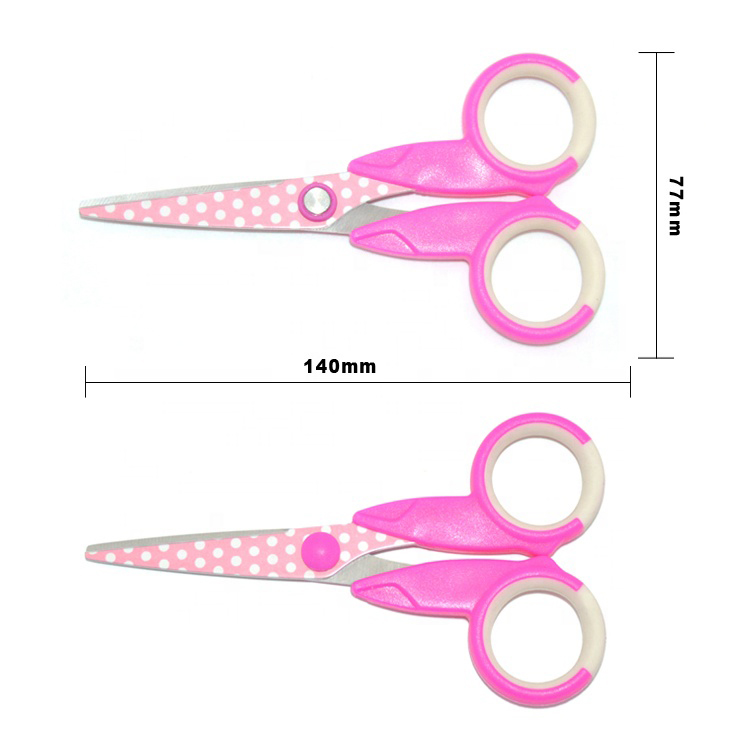
Enhance Your Home with Classic Household Scissors
Classic household scissors are one of the simplest tools in a home, but their usefulness depends on choosing the right pair and caring for it properly. From opening packaging and cutting paper to trimming thread, preparing craft materials, or handling light fabric tasks, a dependable pair of scissors can make everyday work cleaner and faster.
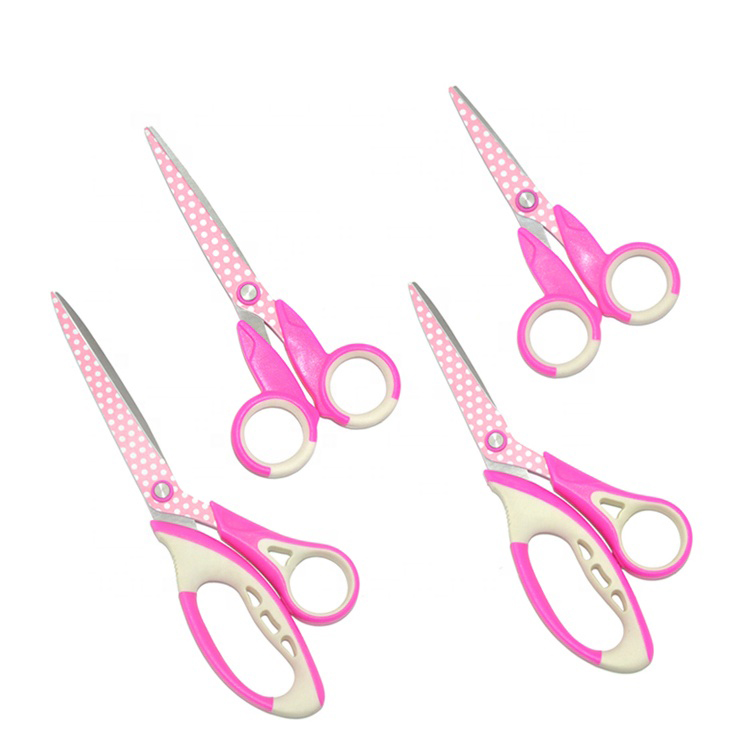
The original article notes that these scissors are intended for common household use and mentions stainless steel blades, ergonomic handles, and availability in different sizes. Those details matter because home users often need one tool that is comfortable to hold, easy to control, and suitable for a range of light-duty cutting jobs. This guide explains how to evaluate household scissors without relying on vague claims or decorative language.
Key Takeaways
- Choose household scissors based on the materials you cut most often, such as paper, packaging, fabric, or craft supplies.
- Sharp blades improve control and reduce the force needed for routine cutting.
- Handle comfort matters, especially for repeated tasks such as wrapping gifts or craft preparation.
- Keep scissors dry, clean the blades after messy cuts, and oil the pivot occasionally.
- Use the right pair for the job; heavy cardboard, wire, and food preparation may require separate tools.
What Makes Classic Household Scissors Useful?
A classic household scissor design is valued because it is familiar, versatile, and easy to store. Unlike specialized sewing shears, kitchen shears, or pruning tools, household scissors are designed for general cutting. They are commonly kept in a drawer, desk organizer, craft box, or utility area for quick access.
The most important qualities are blade alignment, sharpness, grip comfort, and smooth opening and closing. A good pair should cut cleanly from the base of the blades toward the tip without tearing paper or snagging thread. If the blades feel loose, rub unevenly, or require too much hand pressure, accuracy suffers.
Best Everyday Uses for Household Scissors
Household scissors are suitable for many ordinary tasks, but they should not be expected to do everything. They work well for cutting printer paper, envelopes, gift wrap, tags, tape, coupons, light cardboard, yarn, thread, and many craft materials. They can also help with simple sewing preparation, such as trimming loose threads or cutting patterns, when the blades are clean and sharp.
However, it is better to avoid using general household scissors on hard plastic, metal wire, thick rubber, or abrasive materials unless the tool is specifically designed for that purpose. These materials can dull or damage the blades. If you often cut tough packaging or heavy cartons, consider keeping a utility cutter or heavy-duty scissors separate from your general home pair.
How to Choose the Right Pair
When comparing classic household scissors, start with the tasks you perform most often. A smaller pair may be easier to control for detail work, labels, and craft trimming. A larger pair can feel more efficient for wrapping paper, fabric strips, and longer straight cuts. If several people in the home will use the scissors, handle shape and opening size become especially important.
| Selection Point | What to Check | Why It Matters |
|---|---|---|
| Blade sharpness | Test on paper or scrap material if possible | Clean cutting reduces tearing and hand strain |
| Blade material | Confirm stated material, such as stainless steel when specified | Helps buyers understand care needs and corrosion resistance expectations |
| Handle comfort | Check grip shape, finger space, and pressure points | Improves control during repeated use |
| Size options | Match length to detail work or longer cuts | Different sizes suit different household tasks |
| Pivot action | Open and close the scissors smoothly | A tight or loose pivot can affect accuracy |
Why Sharp Scissors Improve Home Tasks
Sharp scissors for home use are not only about speed. They also improve safety and precision. Dull scissors force users to squeeze harder, which can lead to slipping, jagged cuts, and frustration. A sharper pair allows the blades to do the work with less effort.
For paper crafts, sharp blades help create cleaner edges. For fabric or thread, they reduce fraying and snagging. For gift wrapping, they help make long cuts more consistent. Even simple tasks, such as opening a sealed package, become easier when the blades meet properly and cut without chewing through the material.
Use and Care Tips for Longer Service Life
Basic maintenance can extend the practical life of household scissors. After cutting tape, adhesive labels, or sticky packaging, wipe the blades with a soft cloth. If residue remains, use a suitable mild cleaner and dry the blades completely afterward. Avoid soaking scissors unless the manufacturer specifically says it is safe.
- Store scissors in a dry drawer, organizer, or sleeve to protect the blade edges.
- Do not use household scissors as a screwdriver, pry tool, or box opener for hard materials.
- Keep the pivot clean so the blades open and close smoothly.
- Add a small drop of light oil to the pivot if movement becomes stiff, then wipe away excess.
- Keep separate scissors for messy craft materials, food-related tasks, and clean fabric work.
If the scissors begin folding material instead of cutting it, the blades may be dull, dirty, or misaligned. Cleaning is the first step. If that does not help, sharpening or replacement may be needed depending on the construction and cost of the tool.
Safety and Storage at Home
Scissors are common, but they still require sensible handling. Store them where children cannot access them without supervision. Carry scissors closed and pointed downward. When passing them to another person, offer the handle first. These habits are simple, but they prevent many avoidable accidents.
For shared household use, choose a storage location that is consistent and visible. A dedicated drawer divider or craft container makes it easier to find the scissors and reduces the chance that they will be damaged by loose metal tools, keys, or heavy items.
When to Keep More Than One Pair
One pair of classic household scissors can handle many daily jobs, but multiple pairs may be more practical in a busy home. A desk pair can be used for paper and envelopes, a craft pair for glue-backed materials, and a fabric pair for sewing tasks. Separating uses helps maintain blade quality and prevents residue transfer.
This is especially useful for anyone who wraps gifts often, works on school projects, or does light sewing repairs. The goal is not to buy more tools than necessary, but to avoid ruining a clean, sharp pair by using it on unsuitable materials.
Practical FAQ
Can classic household scissors cut fabric?
They can cut light fabric for occasional tasks, especially if the blades are sharp and clean. For frequent sewing or precise fabric work, dedicated fabric shears are usually a better choice.
How often should I clean household scissors?
Clean them whenever you cut tape, labels, adhesive packaging, or dusty craft materials. For normal paper use, occasional wiping and dry storage are usually enough.
Are stainless steel blades maintenance-free?
No. Stainless steel can help with everyday durability, but scissors should still be kept clean and dry. Always follow the supplier or product care instructions when available.
What size is best for home use?
A medium-size pair is often the most versatile, while smaller scissors are better for detail work and larger scissors are more efficient for long cuts. If size options are available, match them to your main tasks.
When should I replace household scissors?
Replace them when cleaning and careful use no longer restore clean cutting, when the pivot becomes unstable, or when the blades are damaged. If the product is designed to be sharpened, sharpening may be an alternative.
Final Thoughts
Classic household scissors remain useful because they solve many small problems quickly. The best choice is not simply the most decorative or the largest pair, but the one that fits your routine cutting tasks, feels comfortable in the hand, and can be maintained with basic care. By using scissors on appropriate materials and storing them properly, households can keep them sharp, safe, and ready for daily use.
