




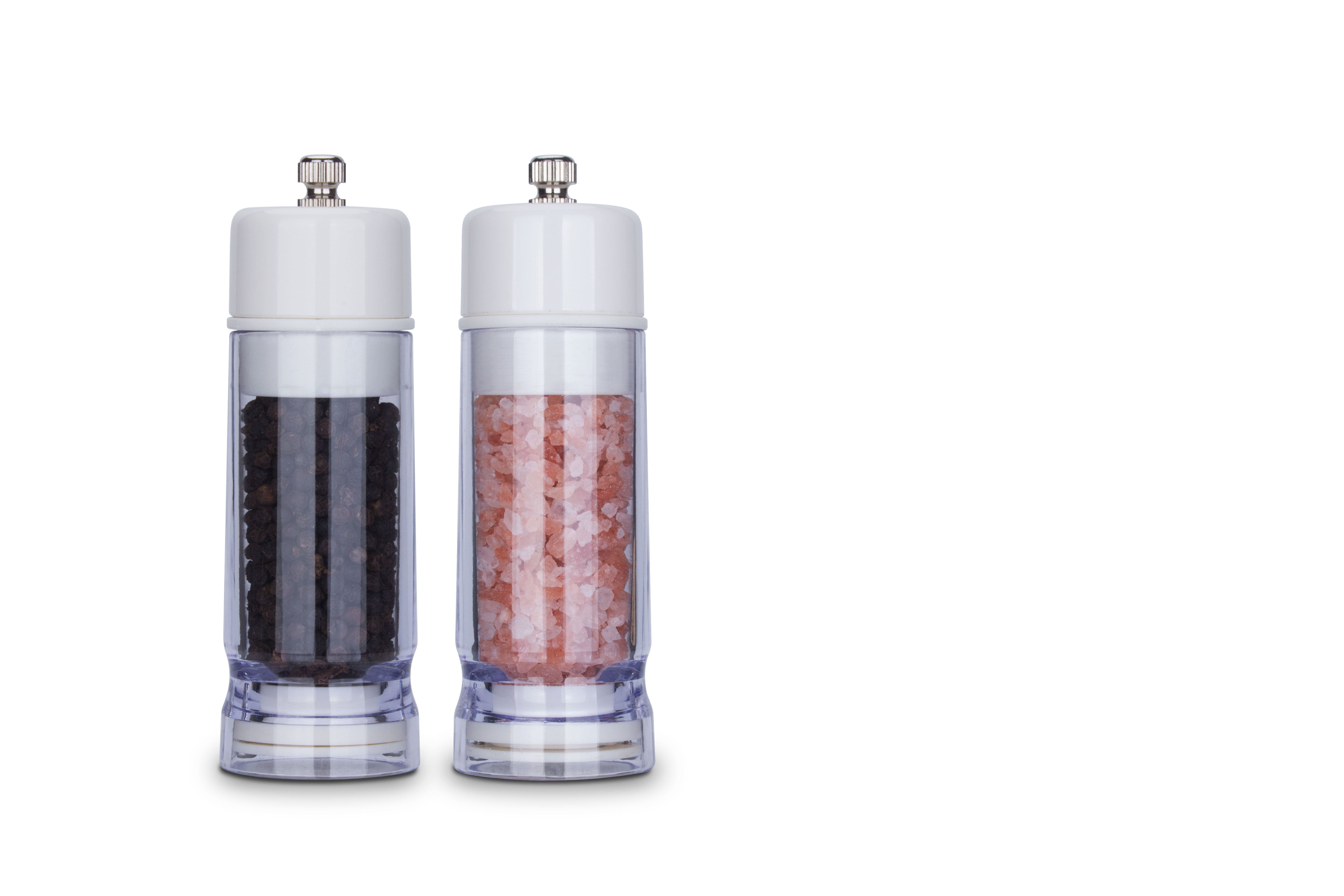
Custom Pepper Grinders: Sourcing Guide for Wholesale and Brand Buyers
Custom pepper grinders are useful products for retailers, restaurants, hotels, gift companies, and kitchenware brands that want a practical item with room for personalization. A pepper grinder is simple in concept, but buyers still need to make careful decisions about materials, grinding mechanism, packaging, branding, and supplier reliability. The right choice should feel comfortable in the hand, grind consistently, refill easily, and fit the intended market.
This guide focuses on how to evaluate custom pepper grinders from a sourcing perspective. It avoids assuming unverified specifications and instead gives buyers the questions to ask when comparing a pepper mill manufacturer, wholesale supplier, or OEM partner.
Key Takeaways
- Define the target use first: retail, restaurant tables, corporate gifts, private label, or promotional sets.
- Ask suppliers to confirm available materials, mechanism type, grind adjustment method, branding options, and packaging formats.
- Do not rely only on appearance; request samples and test grind consistency, refill convenience, and durability under repeated use.
- For wholesale pepper grinders, clarify MOQ, lead time, customization charges, sample policy, and quality inspection process before ordering.
What Makes a Pepper Grinder Custom?
A custom pepper grinder is not limited to a different color or logo. Depending on the supplier, customization may involve the grinder shape, body material, finish, cap design, packaging, engraving, printed branding, or a matching salt-and-pepper set. Some buyers may want a minimalist grinder for modern retail shelves, while others need a practical mill for restaurant tables that can handle frequent refilling.
Because customization options vary widely, buyers should not assume that every supplier can provide the same features. If you need engraving, transparent sections, adjustable grind settings, gift packaging, or private-label branding, ask whether these are standard options, semi-custom options, or fully custom developments. This distinction affects cost, sampling time, and production planning.
Wholesale Pepper Grinders: When Bulk Buying Makes Sense
Wholesale pepper grinders are commonly sourced by kitchenware distributors, hospitality suppliers, caterers, supermarkets, online retailers, and promotional product buyers. Bulk purchasing can improve unit cost and simplify inventory planning, but only when the product suits the real use case.
For restaurants, practical concerns may matter more than decorative details: easy refilling, stable table placement, and consistent grind output. For retail, packaging, shelf appeal, and clear product information become more important. For corporate gifts, logo placement and presentation may drive the decision. A good sourcing brief should describe who will use the grinder, how often it will be used, and how it will be sold or distributed.
Comparison Checklist for Custom Pepper Grinder Sourcing
| Decision Area | What to Check | Questions to Ask the Supplier |
|---|---|---|
| Intended market | Retail, food service, gift, or private label use | Which models are most suitable for my sales channel? |
| Grinding mechanism | Mechanism material, adjustment style, and grind consistency | What mechanism options are available, and can samples be tested? |
| Body material | Wood, stainless steel, acrylic, glass, plastic, or mixed materials if offered | What materials can you supply, and what are the care instructions? |
| Customization | Logo, engraving, color, shape, packaging, or set configuration | Which custom options are standard, and which require tooling or development? |
| Packaging | Bulk pack, retail box, gift box, barcode, instructions | Can packaging be customized, and what artwork format is required? |
| Quality control | Appearance, function, assembly, and packing inspection | What inspection steps are used before shipment? |
| Commercial terms | MOQ, lead time, sample cost, payment, shipping | What are the current MOQ and delivery timeline for this design? |
Understanding Pepper Mill Manufacturing Basics
Pepper mill manufacturing combines product design, component selection, assembly, and finishing. A grinder may look straightforward, but performance depends on how well the body, spindle, knob, base, and internal mechanism work together. If the components are poorly aligned, the grinder may feel loose, grind unevenly, or fail after repeated use.
Buyers often ask about ceramic or metal grinding mechanisms, adjustable grind sizes, ergonomic handling, and transparent bodies for monitoring fill level. These can be useful features, but they should be confirmed for the specific model under review. Ask the manufacturer to provide product details, sample photos, operating instructions, and any available test or inspection information. If a supplier makes claims about materials, food-contact suitability, or compliance, request supporting documentation rather than relying on general statements.
How to Build a Clear OEM or Private-Label Brief
A detailed brief helps a supplier respond accurately and reduces delays during sampling. Instead of asking only for a catalog and price, provide a structured request that includes your preferred product type, estimated order quantity, target market, and customization goals.
- Define the size range, shape preference, and whether you need a single grinder or a salt-and-pepper set.
- List preferred materials and finishes, but ask the supplier to confirm what is available for production.
- Specify branding needs, such as logo printing, engraving, hang tag, instruction sheet, or retail box.
- Explain packaging requirements, including carton packing, barcode needs, and language requirements for inserts.
- Request samples before bulk order approval and define what you will test.
- Ask for current MOQ, lead time, payment terms, and shipping options.
This approach is especially important for custom pepper grinders because small design changes can affect tooling, assembly, or packaging. A clear brief helps separate standard wholesale options from custom development projects.
Sample Testing: What Buyers Should Evaluate
Samples are essential before committing to wholesale pepper grinders. Test the grinder with the type of peppercorns your customers are likely to use. Check whether the grind can move from fine to coarse if adjustment is offered. Rotate the mill repeatedly to evaluate comfort, resistance, and consistency. Open and refill the grinder to see whether the process is intuitive.
Also inspect the finish. Look for rough edges, uneven coating, loose components, unstable bases, or unclear packaging instructions. If the product will be sold online, consider how it appears in photos and whether the packaging protects it during parcel shipping. For restaurant or hospitality use, test how easily staff can refill and clean the grinder according to the supplier’s care guidance.
Common Sourcing Mistakes to Avoid
- Choosing a grinder based only on appearance without testing grind performance.
- Assuming all customization methods are available on every material or shape.
- Ignoring packaging until after the product design is approved.
- Failing to confirm whether quoted prices include logo, packaging, or sample charges.
- Not asking how replacement parts, defects, or after-sales issues are handled.
Good sourcing is not about finding the lowest initial quote. It is about matching product quality, customization, packaging, and delivery reliability to your sales channel. A slightly cheaper grinder can become expensive if it leads to returns, poor reviews, or inconsistent customer experience.
Practical FAQ
Can custom pepper grinders be branded with a logo?
Often yes, but the available method depends on the material, shape, and supplier capability. Ask whether engraving, printing, labels, or custom packaging are available for the model you want.
What should I ask a pepper mill manufacturer before ordering?
Ask about material options, grinding mechanism, adjustment method, MOQ, sample availability, lead time, packaging, inspection process, and documentation for any product claims.
Are wholesale pepper grinders suitable for restaurants?
They can be, but restaurant buyers should test refill convenience, stability, grind consistency, and durability under frequent use before placing a bulk order.
How do I compare two similar-looking pepper grinders?
Compare the mechanism, assembly quality, finish, packaging, sample performance, customization options, and supplier communication. Similar photos do not always mean similar quality.
Should I request a sample for a custom pepper grinder?
Yes. A sample helps verify the feel, function, branding effect, and packaging before production. For custom designs, confirm whether the sample is a standard sample or a pre-production sample with your branding.
