




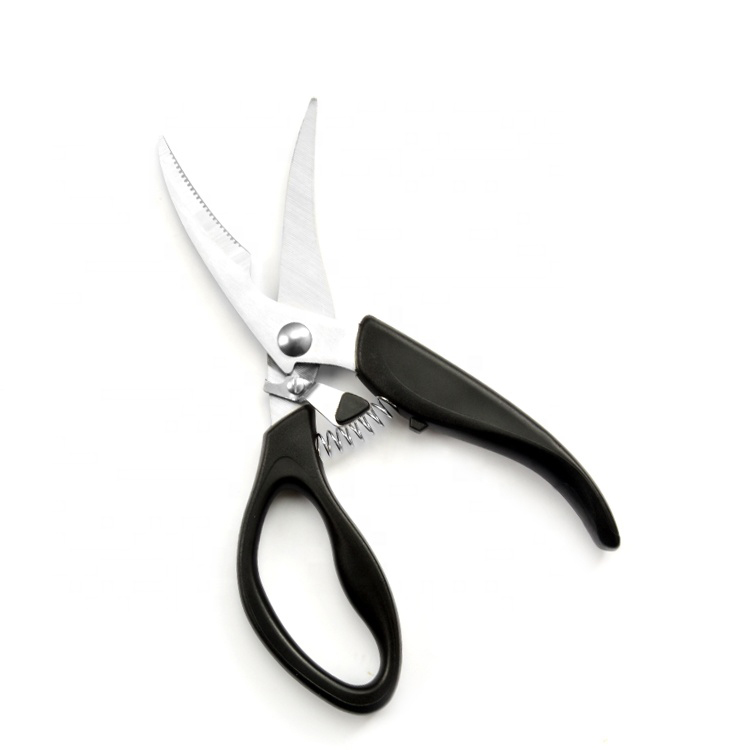
Enhance Your Kitchen with OEM Poultry Kitchen Shears
OEM poultry kitchen shears are a focused tool for buyers who need reliable cutting performance in kitchens, retail assortments, gift sets, or private-label houseware lines. Unlike general household scissors, poultry shears are selected for tasks such as trimming fat, cutting poultry skin, portioning chicken, and handling prep work where grip and control matter. For brands, distributors, and wholesalers, the key question is not simply whether the shears look good in a catalog. It is whether the product, supplier process, and after-sales expectations match the intended market.
Key Takeaways
- Choose poultry shears based on cutting control, handle comfort, cleaning needs, and packaging requirements.
- Ask suppliers clear questions about materials, samples, customization options, inspection process, and lead times.
- Do not rely only on product photos; request samples and test them on realistic poultry-prep tasks.
- For OEM or wholesale orders, confirm branding, carton details, replacement policy, and documentation before purchase.
What Makes Poultry Kitchen Shears Different?
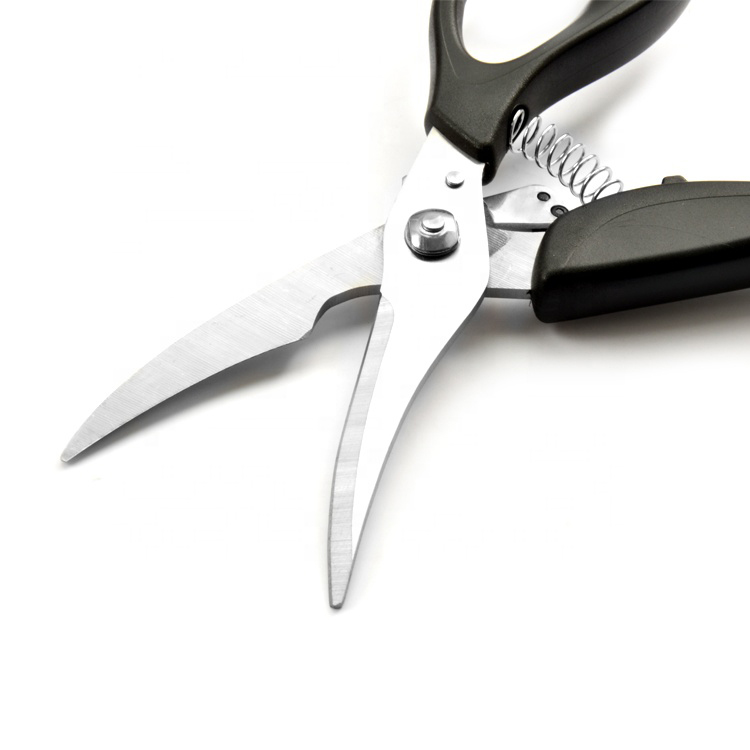
Poultry kitchen shears are designed to give the user more leverage than a small utility scissor. The original product description highlights several practical features: stainless steel blades, ergonomic handles, suitability for both left- and right-handed users, micro-serrated edges, a precision pivot, and added functions such as a built-in bottle opener and nutcracker. These features can be useful, but buyers should still verify them on the exact model being quoted.
For consumer-facing assortments, the main value is convenience. A good pair of poultry shears can reduce the need to switch between a knife, cutting board, and other prep tools. For B2B buyers, the value is more detailed: consistent finishing, predictable packaging, dependable repeat orders, and a product story that is easy for retailers or online shoppers to understand.
How to Evaluate Cutting Performance
Cutting performance should be tested before any large order. Ask for samples and use them on tasks that match the target customer. For poultry shears, that may include trimming chicken skin, cutting through joints, portioning a whole chicken, snipping herbs, and opening food packaging. If micro-serrated edges are offered, check whether they help grip slippery poultry skin without tearing it excessively.
Also pay attention to the pivot. A precision pivot should open and close smoothly without feeling loose. If the blades rub unevenly, the tool may feel tiring in repeated use. If the pivot is too stiff, some customers may assume the product is low quality even if the blades are sharp. For a wholesale program, the sample should be tested by more than one person because hand size and grip strength vary.
OEM and Wholesale Supplier Checklist
When the search intent is OEM, supplier, or wholesale sourcing, commercial details matter as much as the product itself. Avoid assuming capacity, certification status, minimum order quantity, or test results unless the supplier provides current documentation. Use the checklist below to compare quotes in a structured way.
| Evaluation Point | What to Ask the Supplier | Why It Matters |
|---|---|---|
| Blade and handle details | What materials and finishes are used on this exact model? | Prevents mismatches between sample, listing, and bulk order. |
| OEM customization | Can the logo, color, packaging, or instruction sheet be customized? | Helps match retail positioning and private-label needs. |
| Sample policy | How are samples provided, and are they from current production? | Supports realistic performance and appearance checks. |
| Inspection process | What in-process and final checks are performed before shipment? | Reduces risk of inconsistent pivots, finishes, or packaging. |
| Compliance documents | Which documents are available for the destination market? | Buyers need documentation before retail or import decisions. |
| After-sales handling | How are defects, shortages, or packaging issues resolved? | Clarifies responsibility before a purchase order is placed. |
Handle Comfort and User Safety
Comfort is easy to underestimate until a customer uses the shears for a full meal-prep session. The original article notes ergonomic handles and use by both left- and right-handed users. Buyers should test whether the handle opening is comfortable for different hand sizes, whether the grip feels secure when wet, and whether the edges of the handle create pressure points.
Safety also includes storage and cleaning. Ask whether the product is supplied with any blade cover, blister card, instruction label, or safety warning suitable for your market. If the shears are sold online, product images and descriptions should explain intended kitchen use clearly. If they are included in a gift set, ensure the packaging protects both the product and the person unpacking it.
Multi-Function Features: Useful or Distracting?
The described poultry shears include extra functions such as a bottle opener and nutcracker. Multi-function features can improve perceived value, especially in retail, but they should not compromise the main cutting task. Test each added function and decide whether it fits the target customer. A restaurant buyer may care more about cutting strength and cleaning speed, while a homeware retailer may appreciate a tool that performs several occasional kitchen tasks.
When listing a multi-function product, be specific and cautious. If a feature is not present on the final model, do not include it in packaging or online copy. If the nutcracker function is included, check how it performs with common nuts and whether it affects hand comfort. If the bottle opener is included, make sure its location is intuitive and does not interfere with gripping the shears.
Cleaning, Care, and Longevity
The original article mentions a dishwasher-safe design and a metallic finish. Buyers should still confirm cleaning guidance for the exact production item. Some customers prefer dishwasher-safe tools, while others expect hand washing to preserve sharpness and appearance. Clear care instructions reduce complaints and help customers use the product correctly.
- Rinse the shears soon after cutting poultry to prevent residue from drying on the blades.
- Wash around the pivot carefully, because food particles can collect in tight spaces.
- Dry the shears before storage to help maintain appearance and smooth operation.
- Store the blades closed and away from loose utensils that may damage the edge.
- Follow the supplier's stated care instructions for dishwasher use, sharpening, or disassembly.
How Buyers Can Brief a Manufacturer
A clear sourcing brief helps a scissors manufacturer respond with the right product and price structure. Include your target market, expected sales channel, preferred packaging type, logo requirements, color preferences, and any documentation needed for import or retail. If you already have a benchmark product, share photos and explain what you like or dislike about it.
For OEM poultry kitchen shears, useful questions include: Can the supplier provide a pre-production sample? What tolerances are checked at final inspection? Are replacement parts or updated packaging available for repeat orders? What is the normal production lead time after approval? What information is needed to prepare artwork? These questions keep the conversation factual and reduce the chance of assumptions.
FAQ
Are OEM poultry kitchen shears only for professional kitchens?
No. They can be sold for home kitchens, retail houseware ranges, promotional sets, and professional food-prep environments. The right model depends on the intended use and buyer requirements.
Should I choose micro-serrated blades?
Micro-serrated edges can help grip slippery poultry skin, but buyers should test samples. The best choice depends on cutting feel, cleaning expectations, and customer preference.
What should I confirm before placing a wholesale order?
Confirm the exact product specification, packaging, branding artwork, sample approval process, inspection standard, delivery schedule, and how defects or shortages will be handled.
Can poultry shears replace a chef's knife?
They can make some poultry-prep tasks easier, but they do not replace every knife task. They are best viewed as a specialized tool for trimming, snipping, and portioning.
How can I avoid misleading product claims?
Use only confirmed details from the supplier. Do not claim material grades, certifications, test results, or performance levels unless current documentation supports those claims.
