




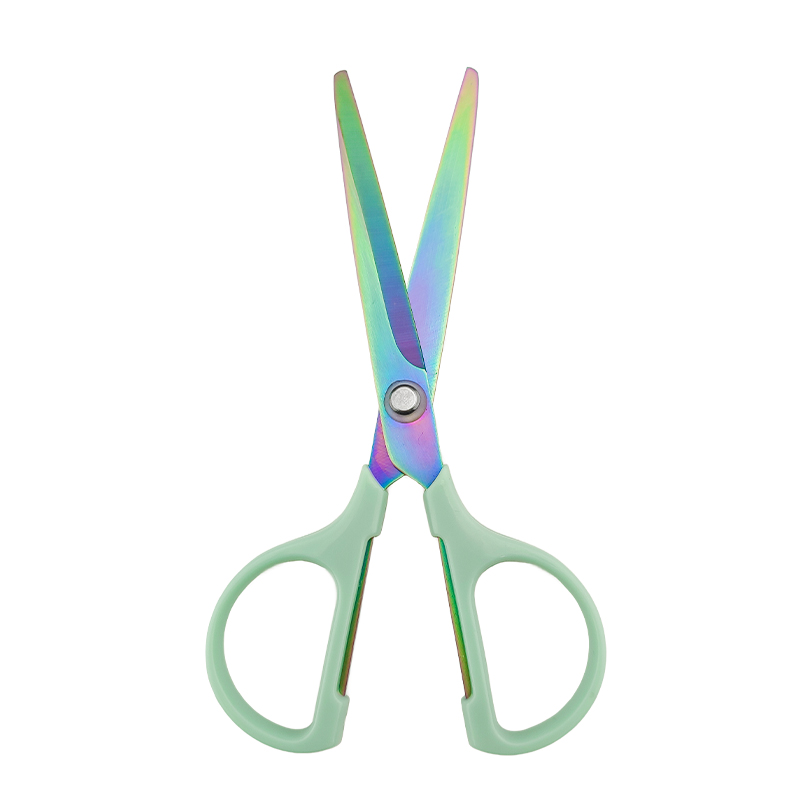
Ergonomic Titanium Scissors: Precision, Comfort, and Smart Selection
Ergonomic titanium scissors are designed for people who cut often and want a tool that feels comfortable, lasts longer, and supports accurate work. The original appeal is simple: a good pair of scissors should reduce hand strain during repeated use while providing dependable cutting performance for daily materials such as paper, fabric, packaging, craft sheets, and other common tasks.
This guide explains what to look for before buying, how titanium scissors differ from ordinary options, when custom designs make sense, and how to care for them. It is written for practical users, purchasing teams, designers, studios, schools, and retailers comparing scissors for regular use rather than for one-time purchase decisions.
Key Takeaways
- Ergonomic handle design matters as much as blade material when scissors are used for long periods.
- Titanium is valued for being lightweight, strong, and resistant to rust and corrosion.
- Custom finishes, handle colors, shapes, or engraving should be checked against comfort and durability needs.
- Long-lasting scissors can reduce frequent replacement, but sustainability claims should be based on real use life and repairability.
- Before bulk buying, ask suppliers clear questions about materials, coatings, samples, packaging, and quality checks.
Why Ergonomics Matter in Everyday Scissors
Scissors are small tools, but poor design can quickly become noticeable. A handle that pinches the fingers, a grip that forces the wrist into an awkward angle, or blades that require excessive force can make simple cutting tiring. Ergonomic scissors aim to reduce that discomfort by fitting more naturally in the hand and distributing pressure more evenly.
For home users, this is helpful during gift wrapping, sewing preparation, paper crafts, or kitchen drawer tasks. For professional or semi-professional users, comfort becomes more important because cutting may be repeated hundreds of times a day. Teachers, craft workers, packaging staff, office teams, textile users, and DIY hobbyists all benefit from a design that limits unnecessary effort.
When evaluating ergonomics, do not rely only on appearance. The best test is how the scissors feel after repeated opening and closing. Look at handle size, finger space, grip texture, blade alignment, pivot smoothness, and whether the scissors suit right-handed, left-handed, or ambidextrous use.
What Titanium Adds to Scissor Performance
The original article highlights titanium as lightweight, strong, and resistant to rust and corrosion. These qualities are useful because scissors are frequently handled, stored in drawers, exposed to humidity, and used on different materials. A lighter tool may reduce fatigue, while corrosion resistance can help maintain appearance and usability over time.
Buyers should still confirm what “titanium scissors” means in the specific product description. In the market, the term may refer to titanium material, titanium coating, titanium-colored finish, or a titanium-related surface treatment. These are not the same. A product listing should make the construction clear, especially if the scissors are being purchased for professional or resale use.
For most everyday users, the goal is not a technical material label alone. The goal is a pair of scissors that cuts cleanly, feels balanced, resists early wear, and remains comfortable. Titanium can support those priorities, but blade geometry, pivot quality, handle design, and assembly quality also matter.
Comparison Checklist for Choosing Titanium Scissors
| Selection Point | What to Check | Why It Matters |
|---|---|---|
| Handle comfort | Finger opening size, grip shape, pressure points | Reduces hand strain during repeated cutting |
| Blade description | Clarify titanium material, coating, or finish | Prevents confusion about durability and value |
| Cutting use | Paper, fabric, crafts, packaging, or mixed tasks | Helps match blade length and sharpness to the job |
| Pivot action | Smooth opening and closing without wobble | Supports control and cleaner cuts |
| Customization | Engraving, handle color, shape, or finish options | Useful for branding, gifts, retail lines, or teams |
| Care requirements | Cleaning method, storage, sharpening guidance | Extends practical service life |
Custom Design Options: Useful or Just Decorative?
Custom design can be valuable when it serves a real purpose. The original article mentions engraved handles, specific color finishes, and unique shapes. These options can help brands, creative studios, schools, or retailers create a recognizable tool set. They can also make scissors easier to identify in shared workspaces.
However, customization should not weaken the basic function. A handle shape may look distinctive but feel uncomfortable. A glossy finish may appear attractive but become slippery. Engraving may be desirable for branding, but buyers should ask where it is placed and whether it affects grip or cleaning. If the scissors are intended for retail, packaging design, barcode placement, and product labeling may be as important as the tool itself.
For sourcing teams considering OEM or wholesale orders, request samples before approving a custom design. Ask whether the supplier can provide drawings, pre-production samples, color references, logo placement proofs, and packaging mockups. Also ask what quality checks are performed for blade alignment, pivot strength, handle finish, and appearance consistency. Avoid assuming commercial terms such as MOQ, lead time, or testing standards unless the supplier confirms them in writing.
Sustainability and Long-Term Value
The original article connects titanium scissors with sustainability because durable tools can reduce the need for frequent replacement. This is a reasonable way to think about everyday tools: a product that lasts longer may create less waste than a low-quality item that fails quickly. Titanium’s resistance to rust and corrosion can also support longer service life when the scissors are cleaned and stored properly.
Still, buyers should be careful with broad eco-friendly claims. A more practical approach is to ask measurable questions: How long is the product expected to last under normal use? Can the pivot be adjusted? Can the scissors be sharpened? Are replacement parts available? What packaging is used? Are materials or coatings clearly described? These questions provide better evidence than vague sustainability language.
How to Use and Care for Titanium Scissors
Even durable scissors perform better when they are used correctly. Keep one pair for paper and another for fabric if clean fabric cuts are important. Avoid cutting wire, thick plastic, or adhesive materials unless the scissors are designed for that purpose. Wipe the blades after use, especially after cutting tape or materials that leave residue.
- Store scissors closed in a dry place to protect the blade edges.
- Clean the blades with a soft cloth after messy cutting tasks.
- Do not force the scissors through materials that exceed their intended use.
- Check the pivot occasionally for looseness or stiffness.
- Keep scissors away from children unless the design is appropriate for supervised use.
Practical FAQ
Are ergonomic titanium scissors only for professionals?
No. They are useful for anyone who cuts frequently, including home users, crafters, office workers, teachers, and packaging teams.
Does titanium always mean the whole scissor is made from titanium?
Not necessarily. It may refer to the material, a coating, or a finish. Buyers should check the product description or ask the supplier directly.
Can custom scissors still be comfortable?
Yes, but comfort should be tested with samples. Decorative changes should not create pressure points, slippery grips, or awkward handling.
What should wholesale buyers ask before ordering?
Ask about material details, sample availability, customization options, packaging, inspection process, lead time, MOQ, and whether any claims can be documented.
How can I make scissors last longer?
Use them for suitable materials, keep them clean and dry, avoid forcing the blades, and store them safely when not in use.
Final Buying Advice
Ergonomic titanium scissors are best chosen by balancing comfort, material clarity, cutting purpose, and long-term care. A stylish finish or custom design can add value, but it should come after the essentials: smooth action, comfortable grip, clear construction details, and dependable cutting for the intended task. For individual buyers, handle feel and use case should guide the decision. For B2B buyers, samples and supplier questions are the safest way to confirm quality before committing to a larger order.
