




Essential Three-Piece Kitchen Knife Set for Daily Prep
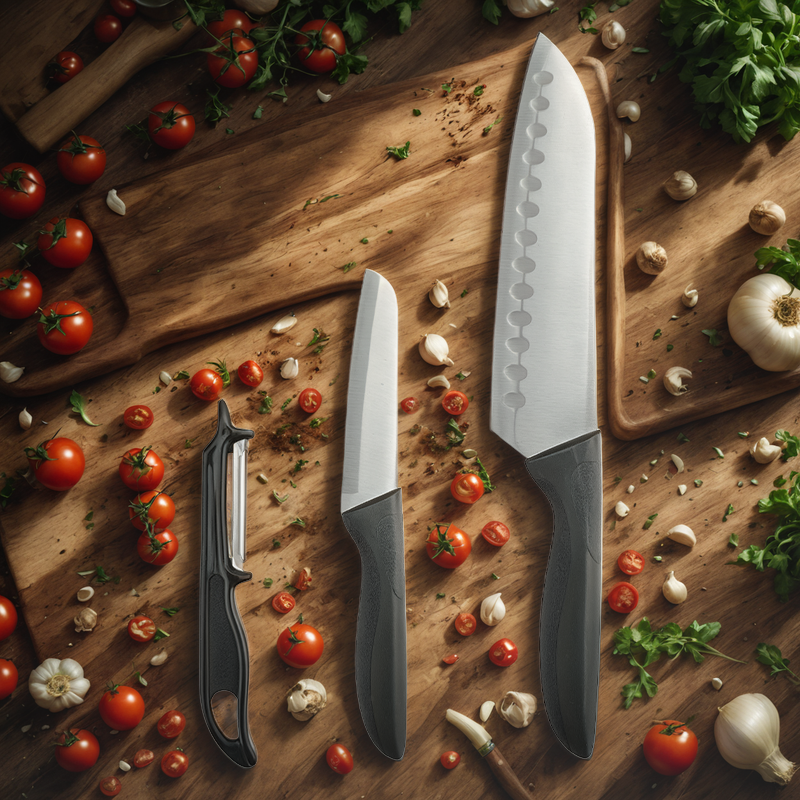
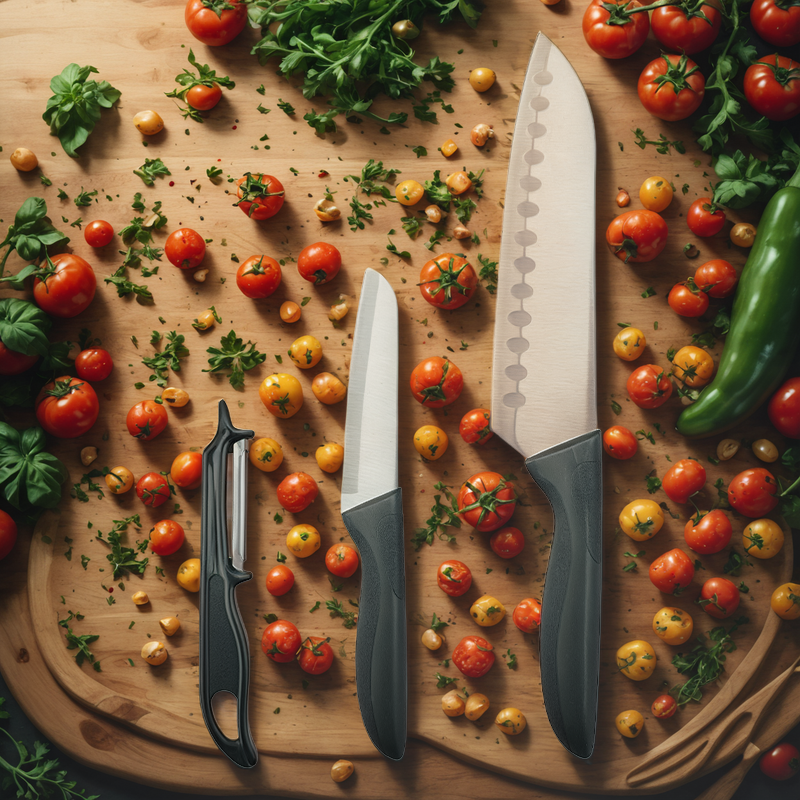
A three-piece kitchen knife set is often enough for most everyday cooking tasks. Instead of filling a drawer with tools that are rarely used, a compact set can cover slicing, dicing, trimming and peeling with less clutter. The set described in the original article includes a santoku knife, a utility knife and an ergonomic peeler. Together, these tools are intended for common preparation jobs such as cutting vegetables, slicing fruit, trimming herbs and removing skins from firm produce.
This guide explains what each piece is for, how to evaluate a knife set before buying, and how to maintain it so it stays safe and useful over time. It focuses on practical product-selection and use-and-care advice rather than promotional claims.
Key Takeaways
- A three-piece set can handle many daily prep tasks without taking up much storage space.
- The santoku knife is best for broad cutting jobs such as slicing, chopping and dicing.
- The utility knife suits smaller ingredients and more controlled trimming tasks.
- A peeler is useful for vegetables and fruits with skins that are difficult or inefficient to remove with a knife.
- Comfort, balance, edge maintenance and safe storage matter as much as appearance.
What Is Included in a Three-Piece Kitchen Knife Set?
The core value of a three-piece kitchen set is coverage. Each tool should have a clear role, so you are not switching between unnecessary blades or using the wrong tool for the task. In this set, the santoku knife is the main cutting blade. Santoku knives are commonly used for slicing, dicing and chopping. The original article notes scalloped indentations, which are intended to help reduce food sticking to the blade during repetitive cuts.
The utility knife sits between a large chef-style knife and a small paring knife. It is useful when a santoku feels too large, such as when slicing small fruit, trimming herbs, sectioning sandwiches or making controlled cuts in smaller ingredients. The third tool is an ergonomic peeler, intended to move across vegetable and fruit skins more efficiently than cutting them away with a blade.
How the Santoku Knife Fits Everyday Cooking
For many home cooks, the santoku will be the most frequently used piece in the set. Its shape is suited to board work: slicing cucumbers, chopping onions, dicing potatoes, cutting boneless proteins, mincing herbs and preparing mixed vegetables. The wider blade can also help guide ingredients from the board into a pan, although it should not be used as a scraper against a hard surface if that could damage the edge.
When judging a santoku knife, look beyond the label. Hold the handle if possible, or review product images carefully if buying online. The grip should feel secure when your hand is dry and when it is slightly damp from normal prep. The edge should align evenly with the handle, and the knife should feel controllable rather than blade-heavy or handle-heavy. If the product page does not state blade material, edge angle, hardness or dishwasher guidance, treat those as questions to ask before purchasing.
When to Use the Utility Knife
A utility knife is valuable because not every cut needs a large blade. Use it for jobs that require precision, such as trimming strawberry tops, cutting citrus wedges, slicing small tomatoes, portioning cheese or working around awkward shapes. It can also be more comfortable for users with smaller hands or for quick tasks where a full-size knife feels excessive.
That said, a utility knife should not replace the santoku for heavy chopping. If you need to cut large squash, thick root vegetables or dense foods, choose the tool that gives you the most control and keep the ingredient stable on the board. Forcing a small knife through large ingredients increases the chance of slipping.
Why the Peeler Matters
A peeler may look simple, but it can save time and reduce waste. Peeling with a knife often removes too much edible flesh, especially from potatoes, carrots, apples or cucumbers. A well-designed peeler should glide over firm skins, remove a thin layer and remain comfortable through repeated strokes.
Before buying, check whether the peeler shape suits your hand and peeling style. Some cooks prefer a straight peeler; others prefer a Y-shaped peeler. The original article describes the peeler as ergonomic, but shoppers should still consider hand size, grip texture and whether the blade area is easy to rinse clean.
Comparison Checklist: What to Review Before Buying
| Feature to Check | Why It Matters | Questions to Ask |
|---|---|---|
| Blade material | Affects sharpness, corrosion resistance and maintenance. | What stainless steel or other material is used? Is a grade specified? |
| Handle design | Influences grip comfort and control. | Is the matte black handle textured, smooth, weighted or shaped for grip? |
| Edge retention | Determines how often sharpening may be needed. | Does the supplier provide care and sharpening guidance? |
| Peeler comfort | Important for repeated peeling tasks. | Is it suitable for left- and right-handed users? |
| Cleaning guidance | Helps prevent damage, rust spots or dulling. | Is hand washing recommended? Are dishwasher limits stated? |
| Storage | Protects edges and reduces injury risk. | Does the set include guards, a sheath, block or storage advice? |
Safe Use and Basic Knife Technique
Even a compact knife set requires careful handling. Use a stable cutting board that does not slide. If needed, place a damp towel under the board. Keep fingertips curled back when holding ingredients, and cut with steady pressure rather than force. A sharp, well-maintained edge is safer than a dull one because it requires less pushing and is less likely to slip.
- Choose the right tool for the size and firmness of the ingredient.
- Keep the blade edge pointed away from your body when moving around the kitchen.
- Wash knives one at a time instead of leaving them hidden in a sink.
- Dry immediately after washing to reduce water spots and edge damage.
- Store blades separately from loose utensils unless protective covers are used.
Care and Maintenance Tips
The original article refers to stainless steel and easy maintenance, but stainless steel still benefits from proper care. Hand wash with mild detergent, rinse thoroughly and dry with a soft towel. Avoid using knives on glass, stone or ceramic cutting surfaces because these can dull the edge quickly. Wood and plastic boards are generally more knife-friendly.
Sharpening frequency depends on how often you cook, what you cut and the blade material. Honing can help realign an edge between sharpening sessions, but it does not replace sharpening when the edge is truly dull. If you are unsure about the correct sharpening angle, ask the seller or use a professional sharpening service.
Who Is This Set Best For?
A three-piece set is a good fit for apartment kitchens, starter kitchens, small households, secondary kitchens and cooks who prefer fewer, more purposeful tools. It is also useful for people who already own specialty knives but want a simple daily prep set. However, it may not cover every task. Bakers, butchers and frequent entertainers may still need bread knives, boning knives, carving knives or specialty tools.
Practical FAQ
Can a three-piece set replace a full knife block?
For many everyday meals, yes. A santoku, utility knife and peeler can handle a large share of common prep work. A full block may still be useful if you regularly slice bread, carve roasts or prepare specialized cuts.
Are scalloped indentations the same as a nonstick coating?
No. Scalloped indentations are recesses in the blade surface intended to reduce sticking. They are not the same as a coating, and performance can vary by food type and cutting technique.
Should these knives go in the dishwasher?
Unless the supplier clearly states dishwasher suitability, hand washing is the safer choice. Dishwashers can expose knives to heat, detergent, movement and contact with other utensils, which may dull or damage edges.
How do I know when a knife needs sharpening?
If it crushes tomato skin, slips on onion skin or requires extra pressure for normal cutting, the edge likely needs attention. Sharpening should restore cutting performance; honing may help only if the edge is slightly misaligned.
What should I ask before purchasing online?
Ask about blade material, handle construction, care instructions, storage options, warranty terms and whether replacement or after-sales support is available. Clear answers help you compare products more accurately.
