




Essential Fabric Shears for Dressmaking Projects
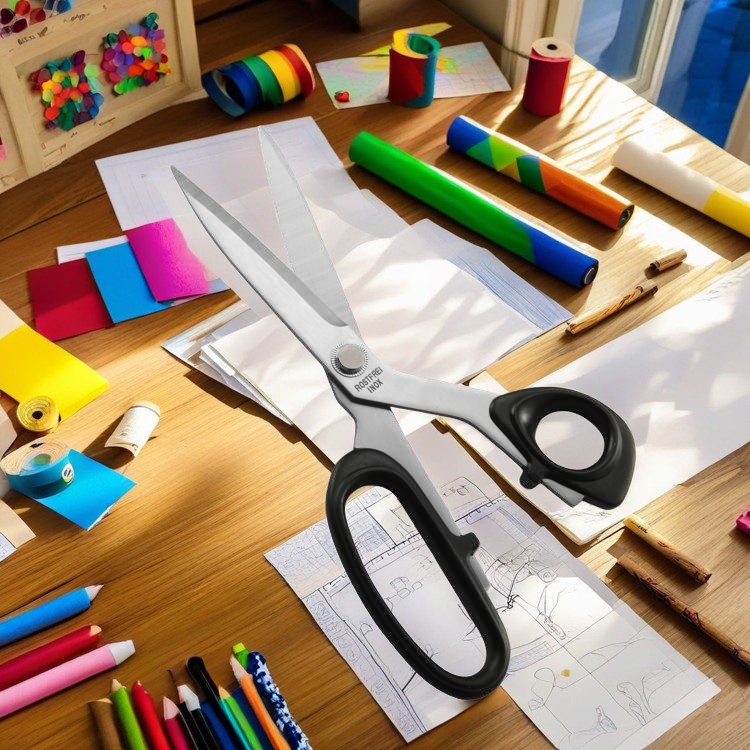
Fabric shears for dressmaking are more than ordinary scissors. They are cutting tools used to create accurate garment pieces, clean seam allowances, and smooth fabric edges before sewing begins. A good pair can make cutting feel controlled and predictable, while the wrong pair may drag fabric, leave jagged edges, or cause hand fatigue during longer projects.
Whether you sew dresses at home, work in a tailoring studio, or buy tools for a sewing class, the goal is the same: choose shears that match the fabrics, cutting volume, and user comfort needs. This guide explains what to look for, how to compare options, and how to care for fabric scissors so they remain useful over time.
Key Takeaways
- Fabric shears should be reserved for fabric only; paper and craft materials can dull the cutting edge faster.
- Comfort matters as much as sharpness, especially for repeated cutting or large pattern layouts.
- Blade length, handle shape, tension, and overall weight should match the user and the fabric type.
- For bulk or professional purchasing, ask the supplier clear questions about blade finish, tension adjustment, packaging, warranty, and replacement policy.
Why Fabric Shears Matter in Dressmaking
Dressmaking depends on accuracy before a stitch is made. If pattern pieces are cut unevenly, the sewing process becomes harder: seams may not align, hems may look irregular, and delicate fabrics may fray more than necessary. Specialized fabric shears are designed to support cleaner cutting through textile layers, helping the maker follow pattern lines with fewer interruptions.
The difference is especially noticeable on curves, darts, collars, armholes, and long skirt panels. Clean edges also support smoother seams because the fabric pieces are easier to pin, baste, and feed through a machine. For beginners, reliable shears reduce frustration. For experienced tailors, they save time and help maintain consistent workmanship.
How to Choose the Right Fabric Shears
Start with the type of sewing you do most. A maker who cuts lightweight dress fabrics may prefer a different feel from someone working with denim, canvas, or layered costume materials. Do not choose by appearance alone. Instead, hold the scissors if possible and check how easily they open, close, and follow a line.
Blade length is one of the first decisions. Longer blades can cut long straight lines efficiently, such as skirt panels or trouser legs. Shorter blades may be easier to control on tight curves and small pieces. Many dressmakers keep more than one size, but if you are choosing a first pair, pick a balanced size that feels stable in your hand.
Handle comfort is also important. Soft-grip or ergonomic handles can help reduce pressure on the fingers during long cutting sessions. If multiple people will use the same shears, look for a handle size that suits a range of hands, or provide several options. Left-handed users should confirm whether the tool is truly suitable for left-hand cutting rather than simply symmetrical in appearance.
Comparison Checklist for Fabric Shears
| Selection factor | Why it matters | What to check before buying |
|---|---|---|
| Blade sharpness | Supports clean edges and reduces fabric shifting. | Ask whether the blades are intended for textile cutting and test on sample fabric when possible. |
| Blade length | Affects control, speed, and cutting line accuracy. | Choose longer blades for straight cuts and shorter blades for detail work. |
| Handle design | Impacts comfort during repeated use. | Check finger space, grip feel, and suitability for the main user. |
| Tension | Controls how smoothly the blades open and close. | Look for smooth movement without looseness, sticking, or blade crossing. |
| Weight and balance | Can reduce fatigue and improve control. | Hold the shears in cutting position, not just by the handle. |
| Supplier support | Important for studios, schools, and wholesale buyers. | Ask about packaging, replacement policy, and product consistency across batches. |
Features Worth Considering
Modern fabric scissors may include ergonomic shaping, soft-grip handles, precision-ground blades, or adjustable tension settings. These features can be helpful, but they should be evaluated in relation to real sewing tasks. For example, adjustable tension can be useful if different users prefer different cutting resistance, but it is only valuable if the mechanism is stable and easy to maintain.
For dressmaking, the most practical features are those that improve accuracy and comfort. Consider the following when comparing options:
- Clean cutting action: The blades should meet evenly from pivot to tip.
- Control at the tip: The pointed end should allow careful snipping into corners and notches.
- Comfortable grip: The handle should not pinch the thumb or fingers.
- Stable pivot: The shears should not feel loose or wobbly while cutting.
- Fabric-only use: Mark the shears clearly so they are not used for paper, cardboard, or wire.
Using Fabric Shears for Better Cutting Results
Even good shears perform poorly if the fabric is not prepared. Before cutting, press the fabric if appropriate, align grainlines carefully, and place the fabric on a flat surface. Keep most of the blade in contact with the cutting surface and use long, steady cuts for straight lines. Avoid lifting the fabric too high while cutting, because this can distort the shape of the pattern piece.
For delicate fabrics, cut a single layer when accuracy is critical. For heavier fabrics, do not force the blades through too many layers at once. If the shears begin to chew or push the fabric instead of slicing, stop and check whether the fabric is too thick, the tension is too loose, or the blade needs sharpening.
Care and Maintenance Tips
Fabric shears last longer when they are treated as precision tools. Wipe the blades after use, especially when cutting linty or coated textiles. Store them closed and away from moisture. A protective sleeve or dedicated drawer helps prevent the tips from being damaged.
- Use the shears only on fabric and thread.
- Do not drop them; impact can affect alignment.
- Clean lint from the pivot area regularly.
- If tension is adjustable, make small changes and test on scrap fabric.
- Have dull blades sharpened by a suitable service rather than forcing them through fabric.
Buying for Studios, Classes, or Bulk Use
If you are sourcing fabric shears for a sewing studio, fashion program, alteration shop, or retail assortment, evaluate consistency as well as individual performance. Ask the supplier how the product is packaged, whether samples are available, and how quality is checked before shipment. Avoid assuming material grade, durability, or compliance details unless the supplier provides documentation.
Useful questions include: What fabric types are the shears intended for? Is the tension adjustable? Are left-handed or ambidextrous options available? What is the policy for defective items? Can the supplier provide consistent labeling and packaging for repeat orders? These questions help reduce purchasing risk without relying on unsupported claims.
FAQ
Can I use regular scissors for dressmaking?
Regular scissors may cut fabric in an emergency, but they often lack the sharpness, blade length, and control needed for accurate pattern cutting. Dedicated fabric shears are a better choice for consistent dressmaking work.
How do I know when fabric shears need sharpening?
Common signs include jagged edges, fabric pushing ahead of the blades, skipped spots, or difficulty cutting near the tip. Test on scrap fabric before starting an important project.
Should beginners buy expensive fabric shears?
Beginners should buy the best comfortable pair they can reasonably maintain, not necessarily the most expensive. Fit, sharpness, and fabric-only use are more important than price alone.
Are adjustable tension scissors necessary?
They are not required for every user, but they can be useful if you want to fine-tune blade resistance or if several people share the same tool.
What is the best way to store fabric shears?
Store them closed in a sleeve, case, or drawer where the blades and tips will not strike other tools. Keep them dry and away from general craft supplies.
