




Essential Heavy-Duty Fabric Scissors for Textile Projects
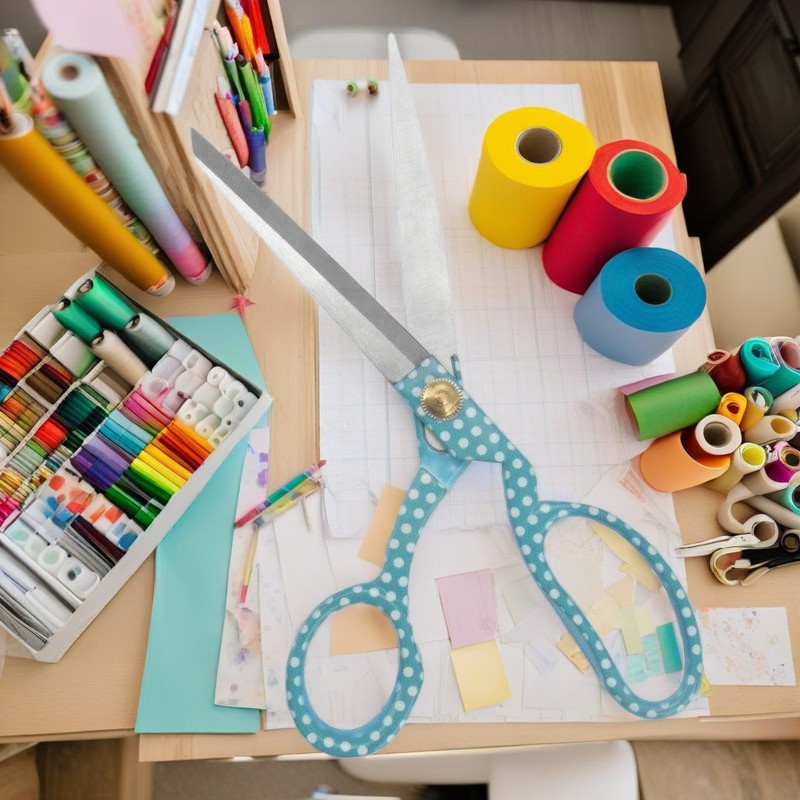
Heavy-duty fabric scissors are basic tools in sewing rooms, craft studios, sample rooms, upholstery workshops, and textile production settings. Their job is simple but important: make clean, controlled cuts through fabric without pulling threads, crushing layers, or leaving uneven edges. For anyone cutting thicker textiles or repeated batches, ordinary household scissors usually do not provide the consistency or durability needed.
This guide explains how to evaluate fabric scissors from a practical user and B2B sourcing perspective. It does not assume one tool is right for every fabric. Instead, it focuses on cutting needs, handle comfort, blade performance, maintenance, and the questions buyers should ask when comparing suppliers.
Key Takeaways
- Sharp, dedicated fabric scissors help reduce fraying and improve cutting accuracy.
- Heavy-duty scissors are useful for thicker fabrics, layered cutting, quilting, sewing, and craft work.
- Comfort and control matter as much as blade sharpness, especially in repeated cutting tasks.
- B2B buyers should ask suppliers about materials, edge retention, packaging, OEM options, samples, and quality checks rather than assuming specifications.
What Makes Fabric Scissors Heavy Duty?
The term “heavy-duty” usually refers to scissors designed for tougher cutting tasks than light office or craft scissors. In textile work, that can mean cutting thicker fabric, multiple layers, dense woven materials, felt, canvas-like cloth, denim-weight textiles, or padded fabric components. The exact performance depends on the blade design, pivot construction, handle shape, and material quality.
A good pair of fabric scissors should open and close smoothly, meet evenly along the cutting edge, and cut from the pivot area toward the tip without snagging. If the blade pushes fabric forward instead of slicing through it, accuracy suffers. For pattern cutting, quilting squares, sample making, or production prep, that small loss of control can become costly over time.
Why Sharp Fabric Scissors Matter
Sharp fabric scissors are not only about speed. They protect the fabric edge. Dull scissors can chew through fibers, create jagged cuts, and make seam alignment harder. In sewing, a poor cut can affect how panels match, how hems fold, and how finished pieces look after stitching.
Sharpness is also a safety and efficiency issue. When users apply extra force to compensate for dull blades, they may lose control or experience hand fatigue. A sharper tool requires less pressure and supports more consistent cutting motion. For businesses, this can help workers maintain accuracy during repetitive tasks, although performance should always be verified with actual sample fabrics before bulk purchasing.
How to Choose the Right Scissors for Textile Projects
Selection should start with the fabric and cutting workflow. A studio cutting lightweight cotton for small batches may need a different tool from a workshop cutting thick upholstery fabric or layered textile samples. Before purchasing, define the main use case rather than choosing by appearance alone.
- Fabric type: Ask whether the scissors are intended for light, medium, or thicker textiles. Test with the actual materials you cut most often.
- Cutting frequency: Occasional home sewing and daily workshop use place different demands on edge durability and hand comfort.
- Blade length: Longer blades can make straighter cuts on large fabric panels, while shorter blades may offer better control for curves and detail work.
- Handle comfort: Check whether the grip suits right-handed or left-handed users, and whether it remains comfortable during long sessions.
- Pivot tension: Scissors should not feel loose or overly tight. Smooth movement helps maintain control.
- Dedicated use: Fabric scissors should be reserved for textiles only. Cutting paper, plastic, wire, or adhesive materials can quickly reduce cutting quality.
Comparison Checklist for Buyers
The following checklist can help sewing teams, distributors, and wholesale buyers compare options without relying on vague claims.
| Evaluation Point | What to Check | Why It Matters |
|---|---|---|
| Blade performance | Cut single and layered fabric samples from base to tip | Confirms clean cutting across the full blade length |
| Comfort | Test grip shape during repeated opening and closing | Reduces fatigue in frequent cutting tasks |
| Material information | Ask the supplier what blade and handle materials are used | Helps compare durability and suitability without guessing |
| Finish and alignment | Inspect blade meeting point, pivot stability, and surface finish | Supports consistent cutting and quality perception |
| Packaging | Ask about retail, bulk, or customized packaging options | Important for wholesalers, online sellers, and distributors |
| Quality control | Ask what inspection steps are used before shipment | Reduces risk when ordering multiple cartons or repeat batches |
Care and Maintenance for Longer Cutting Life
Even strong scissors need proper care. The most important habit is to keep textile scissors separate from general-purpose tools. Paper and packaging materials may seem harmless, but they can dull edges faster than expected. Adhesive-backed materials can also leave residue that affects smooth cutting.
- Wipe the blades after use, especially after cutting lint-heavy or coated fabrics.
- Store scissors closed and dry to protect the edges and pivot area.
- Avoid dropping scissors, as impact can affect alignment.
- Do not force the scissors through materials beyond their intended use.
- Arrange sharpening when cutting quality declines, if the product design allows it.
For shared workrooms, label fabric-only scissors clearly. This small step helps protect the tool and prevents accidental misuse by team members.
Sourcing Heavy-Duty Fabric Scissors from a Supplier
For B2B buyers, choosing a scissors supplier is not only about unit appearance. The right supplier should be able to answer practical product and order questions clearly. If information is not listed, ask directly instead of assuming details such as blade material, hardness, coating, MOQ, lead time, packaging, compliance documents, or OEM capability.
Useful sourcing questions include:
- What fabric types and thicknesses are these scissors recommended for?
- Can samples be provided for cutting tests before a bulk order?
- What materials are used for the blades, pivot, and handles?
- Are there options for logo printing, private label packaging, or assortment packs?
- What inspection process is used for blade alignment, sharpness, and appearance?
- How are the scissors packed to prevent blade damage during shipping?
- What are the current MOQ, production lead time, and payment terms?
Customer reviews and product range can be helpful signals, but they should not replace sample testing. If you are sourcing for resale, confirm whether the scissors match your target market: home sewing, craft retail, professional textile work, school kits, or wholesale tool assortments.
Common Mistakes to Avoid
One common mistake is using the same pair of scissors for every material in the workshop. Fabric scissors should not be treated as universal cutting tools. Another mistake is selecting only by size. A large pair of scissors may look stronger, but if the handle is uncomfortable or the pivot is poorly adjusted, it may be difficult to control.
B2B buyers should also avoid accepting broad descriptions without verification. Words such as “durable,” “professional,” or “heavy-duty” need to be supported by samples, specifications, packaging details, and clear supplier communication. A small trial order or sample review can reveal much more than a catalog image.
FAQ
Can heavy-duty fabric scissors cut multiple layers?
Many heavy-duty fabric scissors are intended for thicker or layered textiles, but performance depends on the exact fabric and tool design. Test with your own material before bulk purchasing.
Should fabric scissors be used for paper?
No. Keeping scissors dedicated to fabric helps preserve sharpness and cutting quality. Use separate scissors for paper, cardboard, plastic, and packaging.
How do I know when scissors need sharpening?
Signs include frayed fabric edges, slipping, uneven cuts, or the need to apply extra force. If cleaning does not improve performance, sharpening or replacement may be needed.
What should wholesale buyers ask a scissors supplier?
Ask about blade and handle materials, sample availability, quality inspection, packaging options, OEM or private label support, MOQ, lead time, and shipping protection.
Are longer blades always better?
Not always. Longer blades help with straight cuts on larger fabric panels, while shorter scissors can be easier to control for curves, trimming, and detailed textile work.
