





Essential Professional Kitchen Scissors Review
Professional kitchen scissors are often judged by a simple question: do they cut cleanly, comfortably and consistently across everyday tasks? The original article introduced a pair of multi-purpose shears positioned for food preparation, packaging, fabric trimming, office use and general household cutting. This rewritten review keeps the useful facts from that source while adding clearer guidance for buyers, especially retailers, distributors and brands comparing OEM or wholesale kitchen shears.
What This Kitchen Scissors Review Covers
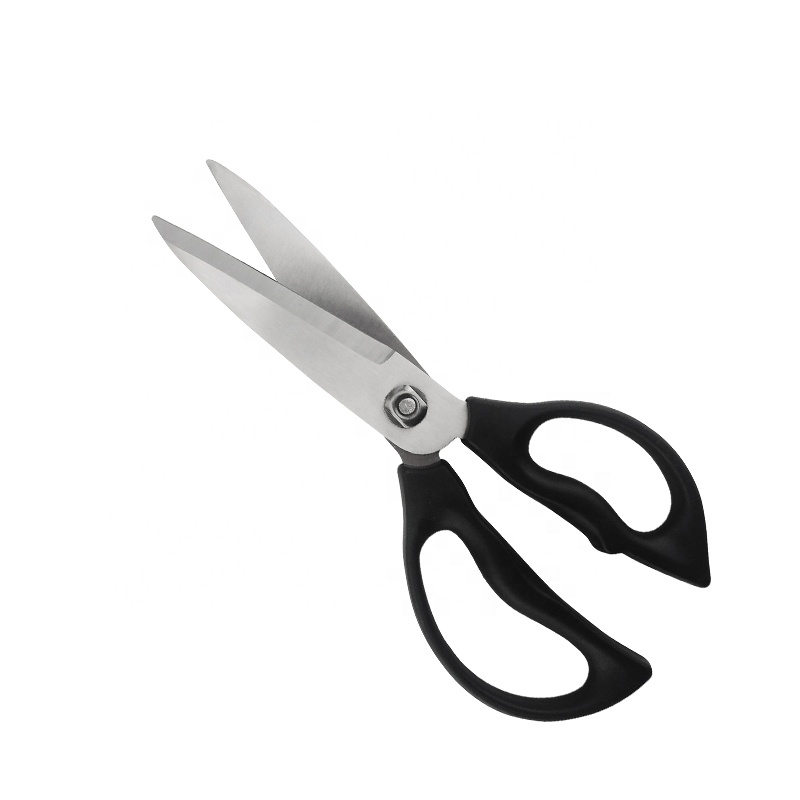
The product described in the source is a pair of multi-purpose professional kitchen scissors with stainless steel blades and black non-slip rubber handles. The article claims the scissors are suitable for culinary prep as well as crafting, office work and household tasks. It also describes the blades as precision-engineered stainless steel and the handles as ergonomic and non-slip.
Those are useful starting points, but buyers should still verify the details that affect repeat orders and end-user satisfaction. For example, ask whether the blade steel, hardness, surface finish, handle material, packaging format and quality inspection method can be documented for the exact model being quoted. A good sourcing decision depends on specifications, not only product photos or broad descriptions.
Everyday Cutting Performance: What to Look For
For consumer-facing users, professional kitchen scissors should handle routine kitchen jobs without crushing, tearing or slipping. Common tasks include snipping herbs, opening food packaging, trimming parchment, cutting twine and portioning soft ingredients. If the shears are marketed as multi-purpose, users may also expect them to cut paper, light craft materials or thin packaging outside the kitchen.
Performance is not only about initial sharpness. It also depends on blade alignment, pivot tension and edge retention after repeated use. When evaluating samples, test the scissors on several materials rather than only one easy cut. A pair that cuts paper smoothly may not perform as well on flexible plastic, and a pair that cuts packaging may feel tiring during longer prep sessions.
Blade and Handle Design Details
The original article states that the scissors use stainless steel blades and that the handles are made with high-quality, non-slip rubber. Stainless steel is a common choice for kitchen shears because buyers generally expect corrosion resistance in kitchen environments. However, not all stainless steel performs the same way. B2B buyers should ask suppliers to identify the steel grade, blade thickness, heat treatment approach and any surface treatment used on the quoted product.
Handle comfort also deserves close attention. An ergonomic handle can reduce fatigue, especially for users who cut repeatedly during meal prep, packing work or back-of-house operations. The black non-slip handles described in the source may help grip security, but sample testing should include both dry and slightly damp hands. Check whether the finger openings suit the target market, whether the edges of the handle feel smooth, and whether the grip material is securely attached.
Comparison Checklist for Buyers
| Evaluation Point | Why It Matters | Questions to Ask a Supplier |
|---|---|---|
| Blade material | Affects cutting feel, rust resistance and durability expectations. | What stainless steel grade is used for this exact model? |
| Blade alignment | Poor alignment can cause tearing, sticking or uneven cuts. | How is blade alignment checked during production? |
| Pivot construction | Influences smooth opening, stability and long-term usability. | Is the pivot adjustable, fixed or removable for cleaning? |
| Handle grip | Comfort and control matter for both home and professional users. | What handle material is used, and can color be customized? |
| Packaging | Retail, e-commerce and wholesale channels need different formats. | What packaging options are available for OEM or private label orders? |
| Quality control | Consistency is essential when ordering in volume. | What cutting, visual and functional checks are performed before shipment? |
Use and Care Tips for End Users
Even well-made kitchen scissors last longer when used and cleaned correctly. If the shears are intended for food contact, wash them promptly after cutting oily, salty or acidic foods, then dry them before storage. Avoid using kitchen scissors on very hard materials unless the supplier specifically confirms the product is designed for that purpose.
- Use the right tool for the task; do not force the blades through bones, wire or hard plastic unless the model is specified for it.
- Clean residue from the pivot area so the blades continue to open and close smoothly.
- Dry the scissors after washing to reduce the risk of staining or corrosion.
- Store the shears in a drawer divider, sleeve or retail-safe holder to protect the cutting edge.
- Keep one pair for kitchen prep and another for office or craft tasks if hygiene is a concern.
OEM and Wholesale Sourcing Guidance
The source mentions a kitchen shears manufacturer, a Yangjiang scissors factory context, OEM kitchen scissors and custom scissors production. For brands and distributors, these terms should lead to practical due diligence. Before placing a wholesale or OEM order, define the target user, sales channel, expected price position and required packaging. Then compare suppliers using samples and written specifications.
Ask whether the supplier can support logo placement, handle color selection, retail packaging artwork, barcode labels and carton markings. If compliance or market-specific documentation is required, request it early and confirm it applies to the exact product and destination market. Do not assume that a general product description covers your legal, safety or retailer requirements.
For private label projects, also clarify the development process. Useful questions include: How many sample rounds are typical? What artwork files are required? What is the lead time after sample approval? What inspections are available before shipment? What are the payment terms, order quantities and spare packaging policies? These questions help prevent misunderstandings that are more expensive to solve later.
Key Takeaways
- The reviewed scissors are presented as multi-purpose kitchen shears with stainless steel blades and black non-slip rubber handles.
- Buyers should verify blade steel, construction, handle material, packaging and quality checks before ordering.
- Sample testing should cover herbs, packaging, paper and other realistic materials for the intended market.
- OEM buyers should ask clear questions about customization, documentation, inspection and order terms.
- End users can extend service life by cleaning, drying and storing the scissors properly.
FAQ
Are professional kitchen scissors only for food preparation?
Not necessarily. The source describes these shears as multi-purpose, suitable for kitchen prep as well as packaging, fabric trimming, office work and household tasks. For hygiene, many users keep separate pairs for food and non-food cutting.
What should I check first when comparing kitchen shears samples?
Start with cutting smoothness, blade alignment, handle comfort and pivot stability. Test several common materials instead of relying on one demonstration cut.
Can OEM kitchen scissors be customized?
Many suppliers offer OEM or private label options, but the available choices vary. Ask about logo methods, handle colors, packaging formats, sample approval, order quantities and lead times.
Does stainless steel mean the scissors will never rust?
No. Stainless steel can resist corrosion better than many materials, but care still matters. Wash residue away, dry the scissors after cleaning and avoid long exposure to salt or acidic liquids.
What should wholesale buyers ask a kitchen shears manufacturer?
Ask for the exact material specification, production standard, inspection process, packaging options, sample policy, commercial terms and any documents needed for your destination market.
