





OEM School Scissors: Safe, Practical Sourcing Guidance for Education Buyers
OEM school scissors are a common product category for education distributors, stationery brands, school-supply wholesalers, and promotional buyers. The purchasing decision is not only about blade shape or color. For children’s use, buyers need to consider safe handling, consistent production, age-appropriate design, packaging, and the supplier’s ability to support private-label or customized orders.
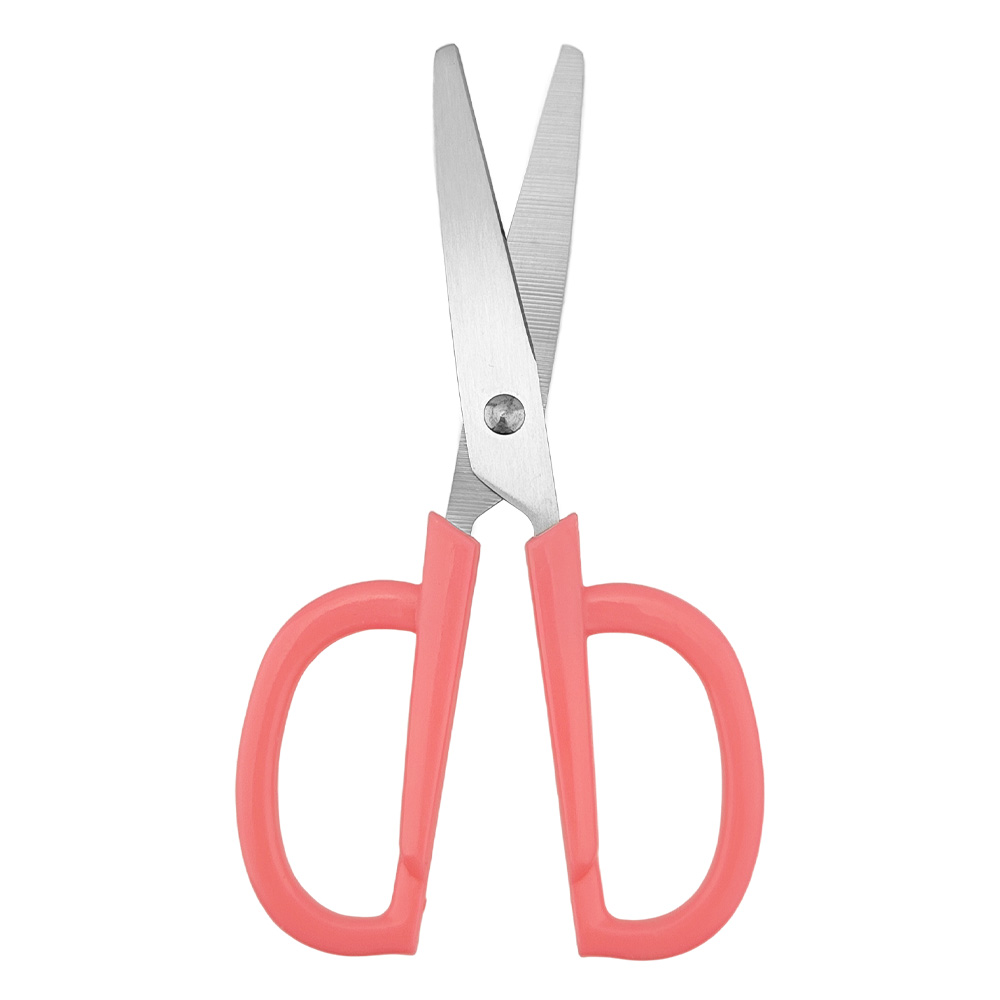
The original product topic highlights several common school-scissor features, including rounded tips, blunt edges, safety covers, colorful designs, and ergonomic grips. These are useful starting points, but B2B buyers should still confirm details directly with the supplier before placing a bulk order. The right questions can prevent mismatched specifications, packaging delays, and products that do not fit the intended age group or market channel.
Key Takeaways
- Choose school scissors based on user age, cutting tasks, and classroom safety expectations.
- Do not assume all OEM models include the same blade, handle, or safety-cover design.
- Ask suppliers to confirm materials, dimensions, packaging, labeling, and customization limits in writing.
- Request samples before bulk purchasing so teachers, distributors, or quality teams can review usability.
- For private-label projects, clarify artwork files, color matching, carton marks, and inspection steps early.
What Makes OEM School Scissors Different?
OEM school scissors are produced for another company’s brand, packaging, or distribution program. A buyer may request a standard model with custom logo printing, or a more tailored version involving handle color, safety cover color, packaging format, or product set configuration. The level of customization depends on the supplier’s tooling, production process, order size, and available materials.
For school channels, the focus is usually on predictable quality and child-friendly handling. Scissors may be used by many students in art rooms, activity centers, stationery kits, or home-learning packs. Because the end users are children, buyers should avoid vague requirements such as “safe scissors” and instead define measurable details: tip shape, blade length, handle size, intended age range, packaging warnings, and use scenario.
Child-Friendly Safety Features to Review
The original article notes that children scissors are often designed with rounded tips and blunt edges to reduce accident risks during classroom use. Safety cover scissors may also include protective sheaths for storage or transport. These features can be helpful, especially when products are distributed in sets or stored in shared classroom bins.
However, buyers should verify what each supplier means by “rounded,” “blunt,” or “safety cover.” A rounded tip can vary in radius and shape. A cover may be tight-fitting, loose, detachable, or integrated into the packaging. Handles may be suitable for small hands, but comfort depends on grip shape, opening size, and left- or right-hand use. If ergonomic grips are offered, ask whether they are part of the selected model or an optional design.
Comparison Checklist for Bulk Buyers
| Buying factor | Why it matters | Questions to ask the supplier |
|---|---|---|
| Tip and blade design | Helps match the scissors to age group and classroom tasks. | Are the tips rounded? Are the edges designed for paper only or wider craft use? |
| Safety cover | Protects blades during storage and transport. | Is a cover included? Is it detachable, and can its color be customized? |
| Handle shape | Affects comfort and control for children. | What handle sizes are available? Are samples available for user review? |
| Branding options | Supports private-label, school, or retail programs. | Can you print a logo on the handle, cover, package, or all three? |
| Packaging | Impacts retail display, classroom distribution, and shipping efficiency. | Do you offer bulk pack, blister card, polybag, or custom packaging? |
| Quality inspection | Reduces risk in repeat wholesale orders. | What inspection points are used for blade alignment, cover fit, and packaging accuracy? |
Customization Options to Define Before Quotation
Many OEM projects fail because the quotation request is too broad. Instead of asking only for “school scissors with logo,” prepare a short product brief. Include target age, main use, preferred colors, packaging style, expected market, and whether the scissors will be sold individually, in a kit, or as part of a classroom pack.
- Confirm the model: standard children scissors, safety cover scissors, or another school-use design.
- Confirm dimensions: blade length, total length, handle opening, and cover size if applicable.
- Confirm branding: logo position, printing method, artwork file format, and color reference.
- Confirm packaging: inner pack, outer carton, barcode placement, warning text, and language needs.
- Confirm sample process: sample cost, lead time, revision procedure, and approval requirements.
Buyers should not assume that one sample represents every possible variation. A color change, cover change, or package change may affect appearance, handling, or cost. Written confirmation is especially important for distributors managing orders for multiple schools or retailers.
How to Evaluate a School Scissors Manufacturer
A reliable school scissors manufacturer should be able to explain product options clearly and answer practical sourcing questions. This does not require unsupported claims about production capacity or certifications. Instead, buyers can assess the supplier through communication quality, sample consistency, documentation, and willingness to clarify limits.
Ask whether the supplier has current product photos, technical drawings, packaging templates, and sample availability. If compliance requirements apply in your market, ask which documents can be provided and whether third-party testing is available for the specific model and order. Do not rely on general statements; documentation should match the exact product, material, packaging, and destination market.
Sample Testing and Classroom Usability Checks
Before committing to bulk OEM school scissors, test samples in realistic scenarios. Cut common classroom materials such as paper, construction paper, thin card, or lightweight craft materials if those are part of the intended use. Check whether the scissors open smoothly, whether the handles feel comfortable, and whether the safety cover fits securely without being difficult for adults to remove.
For school purchasing teams, it can be useful to involve teachers or administrators in the review. Their feedback may identify issues that a purchasing office might miss, such as scissors being too small for older students, too stiff for younger children, or hard to store in shared bins. For distributors, sample review also helps create more accurate product listings and reduces customer complaints.
Common Purchasing Mistakes to Avoid
- Choosing the cheapest option without checking blade alignment, handle comfort, or cover fit.
- Assuming all children scissors are appropriate for every age group.
- Approving packaging artwork before confirming product dimensions and carton layout.
- Skipping pre-production samples for private-label or color-customized orders.
- Using broad safety language without confirming the exact design and documentation needed for the target market.
Practical FAQ
Are rounded-tip scissors enough for school use?
Rounded tips are a helpful design feature, but they are only one factor. Buyers should also review blade edges, handle size, grip comfort, safety cover fit, packaging warnings, and the intended age range.
Can OEM school scissors be customized with a logo?
Many OEM projects include branding, but options vary by model and supplier. Ask where the logo can be applied, what printing methods are available, and whether the supplier can provide a packaging template before production.
Should I request samples before a wholesale order?
Yes. Samples allow buyers to check size, cutting performance, comfort, cover fit, color, and packaging. For private-label orders, approve a final sample before mass production.
What should I ask about safety cover scissors?
Ask whether the cover is included as standard, whether it is detachable, how securely it fits, whether it can be color-matched, and how it is packed with the scissors.
How do I compare school scissors suppliers?
Compare suppliers by sample quality, clarity of quotation, customization support, packaging capability, communication speed, inspection process, and ability to answer compliance-related questions for your market.
Final Sourcing Advice
OEM school scissors can be a strong product for education and stationery channels when the specification is clear. Focus on child-friendly design, realistic customization, sample approval, and written supplier confirmation. Rather than relying on generic promises, ask precise questions and test the product in the way students will actually use it. That approach helps buyers source school scissors that are practical, consistent, and suitable for classroom distribution.
