




Wholesale Scissors Manufacturing: Practical OEM Sourcing Guide
Sourcing scissors in bulk is not only about finding a low unit cost. Retailers, office-supply distributors, promotional product companies, and brand owners need products that cut consistently, feel comfortable in daily use, and arrive with the agreed appearance and packaging. Wholesale scissors manufacturing can cover everyday office scissors, craft scissors, school scissors, and specialized cutting tools, so buyers should define the application before comparing suppliers.
This guide explains how to evaluate a scissors OEM supplier, what to clarify before ordering personalized office scissors, and which quality questions help reduce avoidable sourcing risk. It is written for B2B buyers who need practical purchasing guidance rather than broad marketing claims.
Key Takeaways
- Start with the end use: office, school, craft, industrial, or promotional scissors each require different priorities.
- Ask suppliers to confirm blade material, handle material, finishing, packaging, and inspection process in writing.
- Personalization can include color, logo placement, engraving, or packaging, but each option may affect cost, lead time, and sampling.
- Compare suppliers using samples, documented specifications, and clear quality criteria instead of photos alone.
What Wholesale Scissors Manufacturing Usually Involves
Wholesale scissors manufacturing typically includes blade forming, edge grinding, handle production, assembly, finishing, inspection, and packing. For OEM or private-label projects, the supplier may also support color matching, logo application, packaging layout, and bulk carton planning. The exact process depends on the scissors type and the factory’s capabilities.
Because scissors are simple-looking tools with many performance details, buyers should avoid vague specifications such as “good quality” or “sharp blade.” Instead, define measurable or reviewable requirements: intended cutting material, overall size, handle style, blade finish, tip shape, opening and closing smoothness, logo position, and packaging format. If material grade, hardness, corrosion resistance, or testing is important for your market, ask the supplier to provide relevant documentation rather than assuming it is included.
Choosing a Scissors OEM Supplier
A scissors OEM supplier should be able to turn your product brief into a manufacturable item while explaining what is standard, what is custom, and what requires tooling or extra sampling. The best supplier for one buyer may not be the best for another. A promotional distributor may prioritize logo clarity and fast repeat orders, while an office-supply brand may care more about long-term consistency across multiple SKUs.
When comparing suppliers, ask practical questions early:
- Which scissors categories do you regularly produce?
- Can you provide samples that match the target product type?
- What customization methods are available for handles, blades, and packaging?
- What information is needed to quote accurately?
- How do you inspect cutting performance, assembly alignment, and appearance?
- What are the sampling steps before bulk production?
- How are defects handled if the shipment does not match the approved sample?
These questions do not require the supplier to overpromise. They help you understand whether the supplier has a stable process, communicates clearly, and can support your sourcing needs.
Personalized Office Scissors: Options to Define
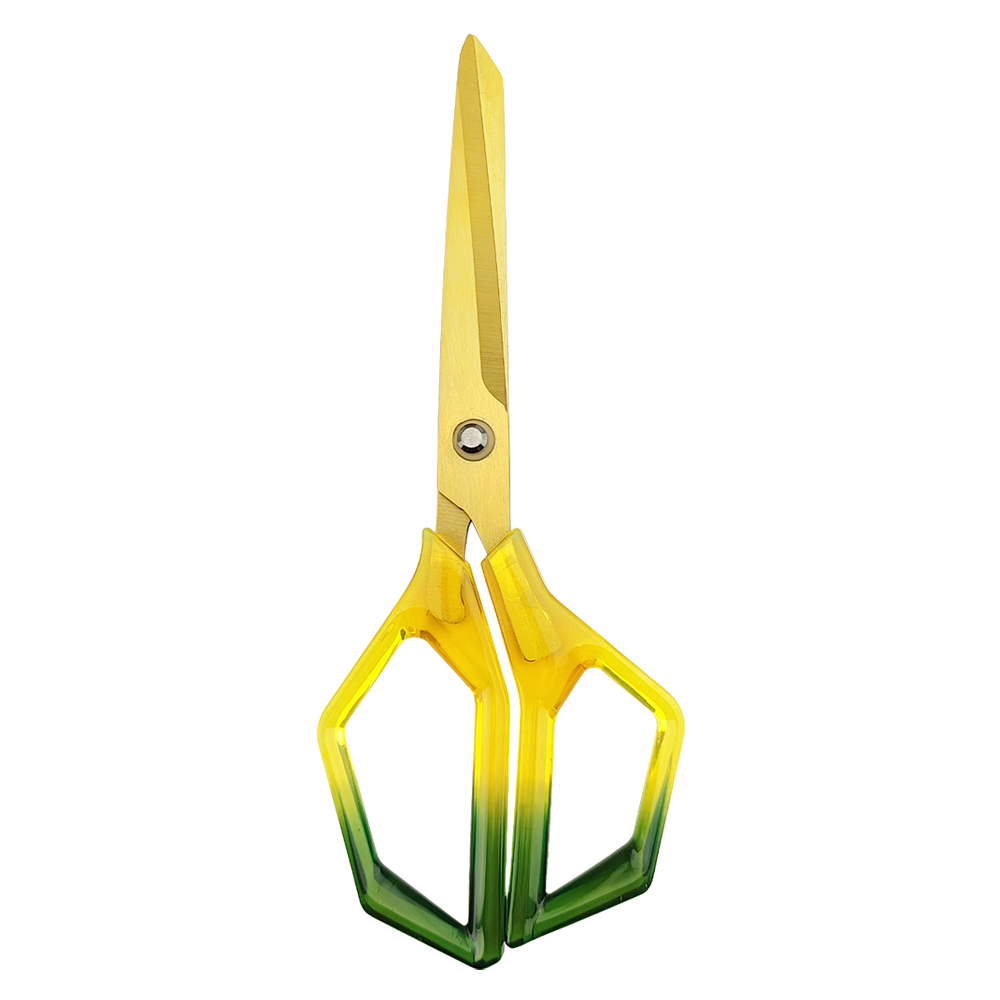
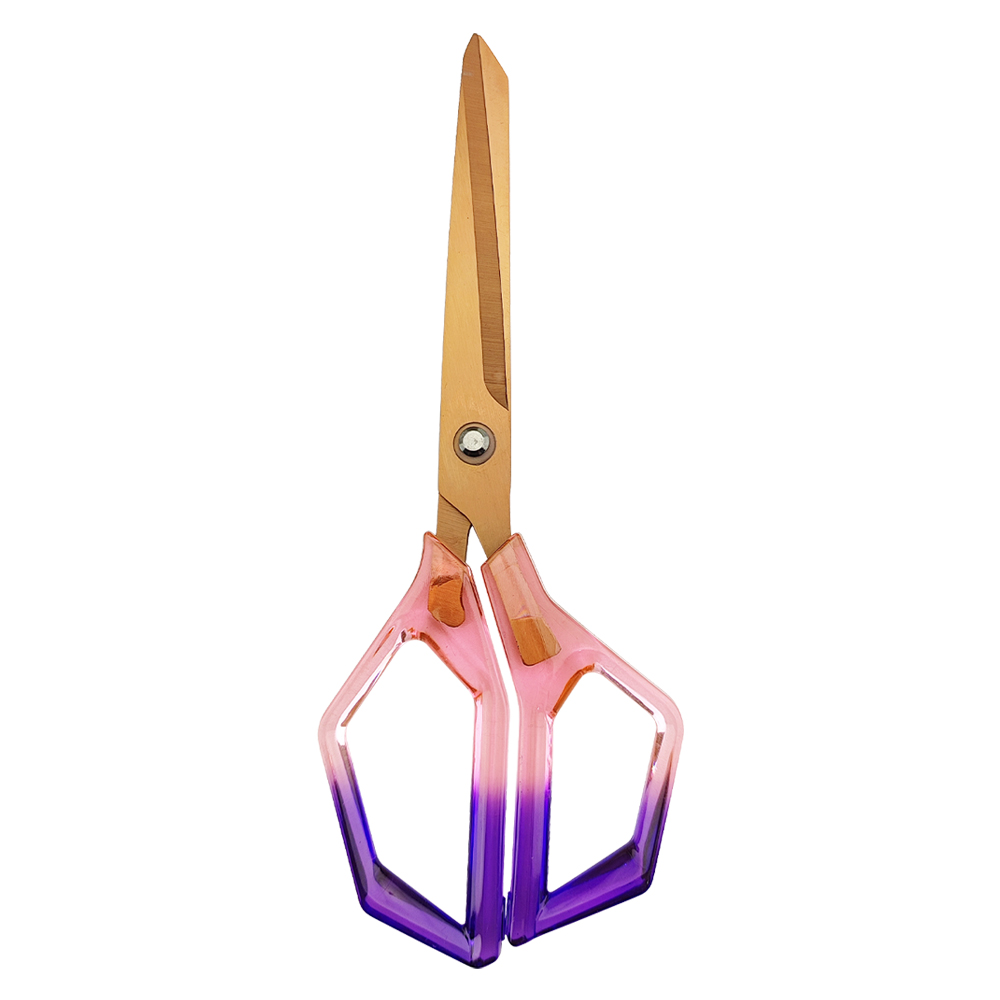
Personalized office scissors are commonly used for office supply ranges, corporate gifts, school kits, retail promotions, and branded stationery programs. Personalization may involve custom handle colors, printed or engraved logos, special packaging, or coordinated product sets. The original article referenced office scissors with yellow coloring and a gold-tone finish as an example of a more distinctive look; if you want a similar visual direction, provide a reference image and ask the supplier how closely it can be reproduced.
For office use, comfort and control matter because users may cut paper, envelopes, labels, or light craft materials throughout the day. Ask about handle shape, opening size, left-hand or right-hand suitability, blade length, and whether the product is intended for light paper cutting or heavier tasks. Do not assume one design can serve every application. A compact promotional scissor may be suitable for occasional use, while a daily office tool may need a more comfortable grip and smoother action.
Comparison Checklist for Bulk Scissors Buyers
| Area to Check | What to Ask | Why It Matters |
|---|---|---|
| Application | What materials are the scissors designed to cut? | Prevents choosing a light-duty item for a heavy-duty use case. |
| Blade details | What blade material, finish, and edge process are used? | Affects sharpness, durability, and appearance expectations. |
| Handle design | What handle material, color options, and ergonomic features are available? | Influences comfort, branding, and user satisfaction. |
| Customization | Can logos, colors, engravings, or packaging be customized? | Helps align the product with retail or promotional requirements. |
| Quality control | How are cutting performance, assembly, and appearance inspected? | Reduces risk of inconsistent bulk shipments. |
| Commercial terms | What are the MOQ, lead time, sample cost, and payment terms? | Clarifies whether the supplier fits your purchasing plan. |
Sampling and Quality Control Before Bulk Orders
Samples are essential in wholesale scissors sourcing. A photo can show color and shape, but it cannot confirm cutting feel, blade alignment, pivot smoothness, handle comfort, or packaging strength. Request pre-production samples when the order includes customized colors, logos, or packaging. Keep one approved sample as the reference for inspection and future reorders.
Useful inspection points include blade edge condition, smooth opening and closing, screw or rivet stability, handle surface finish, logo position, color consistency, packaging accuracy, and carton labeling. If your market has specific safety, chemical, labeling, or import requirements, confirm those requirements with a qualified compliance professional and ask the supplier what documents they can provide. Avoid relying on general statements unless they are supported by appropriate paperwork.
How to Build a Clear RFQ
A complete request for quotation saves time for both buyer and supplier. Include product category, target size, intended cutting material, quantity range, customization requirements, packaging style, destination market, inspection expectations, and requested timeline. If you have a target retail price or positioning, share it as guidance, but also ask the supplier what design adjustments may help meet that target without weakening user experience.
For OEM scissors, also clarify whether you need exclusive tooling, an existing mold with branding, or a standard product with packaging changes. Each route has different implications for cost, speed, and design control. If you are unsure, ask the supplier to quote two or three options so your team can compare trade-offs.
FAQ
What should I ask a wholesale scissors manufacturer first?
Start with product category, intended use, available samples, customization methods, MOQ, lead time, and inspection process. These answers quickly show whether the supplier fits your project.
Can office scissors be personalized for corporate branding?
Often yes. Common options include handle color, logo printing, engraving, and custom packaging. Availability depends on the supplier’s equipment and order details, so confirm before sampling.
Is stainless steel always used for scissor blades?
Many scissors use steel blades, and some projects specify stainless steel, but buyers should not assume the grade or performance. Ask the supplier to state the blade material and provide supporting details if required.
How many samples should I approve before production?
At minimum, approve a sample that reflects the final material, color, logo, and packaging. For complex OEM projects, additional development and pre-production samples may be needed.
How can I reduce quality issues in bulk scissors orders?
Use a detailed specification sheet, approve a physical sample, define inspection criteria, and confirm how nonconforming goods will be handled before production begins.
