




Experience Precision with OEM Scissors: A Practical Buyer Guide
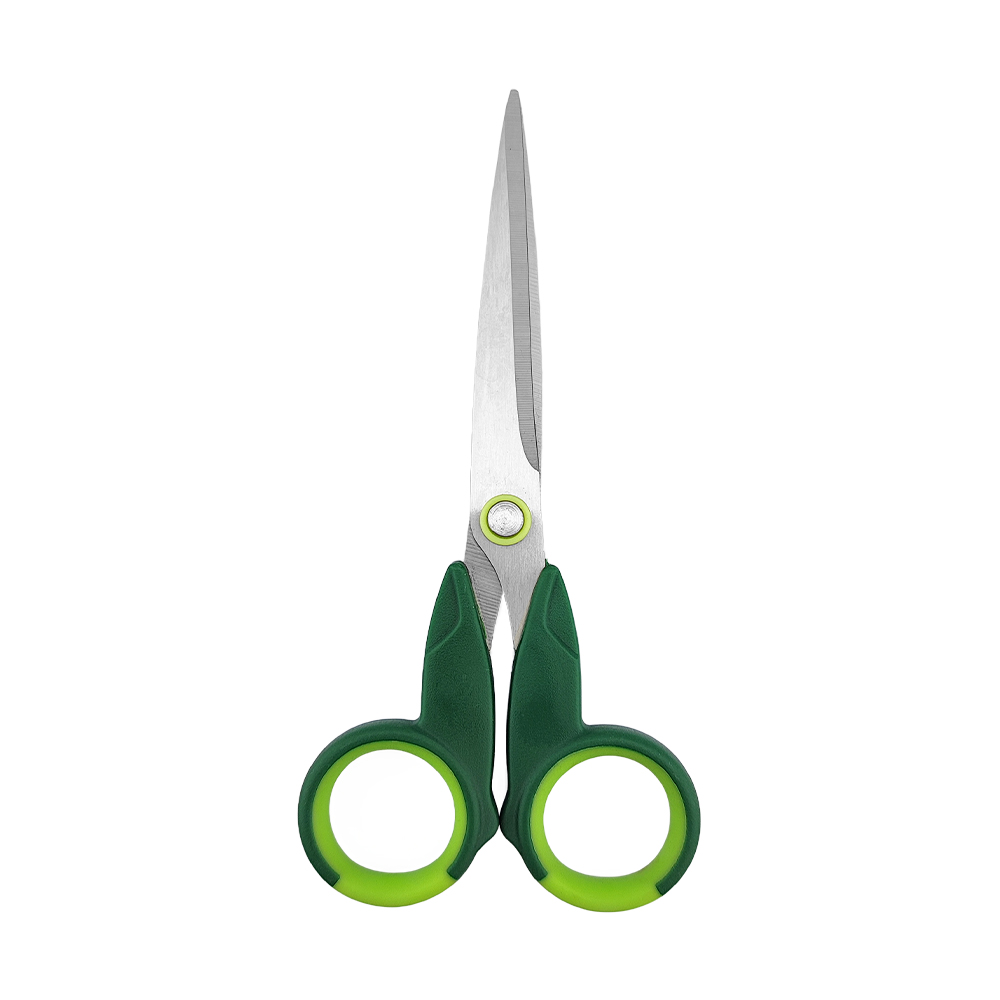
OEM scissors can be a simple product category, but choosing the right model for a private label, wholesale assortment, or promotional program still requires careful review. The original product notes describe a pair of household scissors with striking green ergonomic handles, a soft rubberized grip, stainless steel blades, and a design intended for home, office, crafting, and detailed work. Those are useful starting points, but B2B buyers should look beyond first impressions and evaluate how the scissors will perform for their target users, packaging channel, and quality expectations.
Key Takeaways
- For OEM scissors, comfort, blade performance, pivot consistency, and packaging suitability matter as much as appearance.
- The source article explicitly notes green ergonomic handles, a soft rubberized non-slip grip, and stainless steel blades.
- Buyers should ask suppliers to confirm material details, customization options, quality-control steps, compliance documents, lead times, and order requirements.
- Samples should be tested on the same materials your end users are likely to cut, such as paper, cardstock, fabric, labels, or light packaging.
What Makes These OEM Scissors Worth Evaluating?
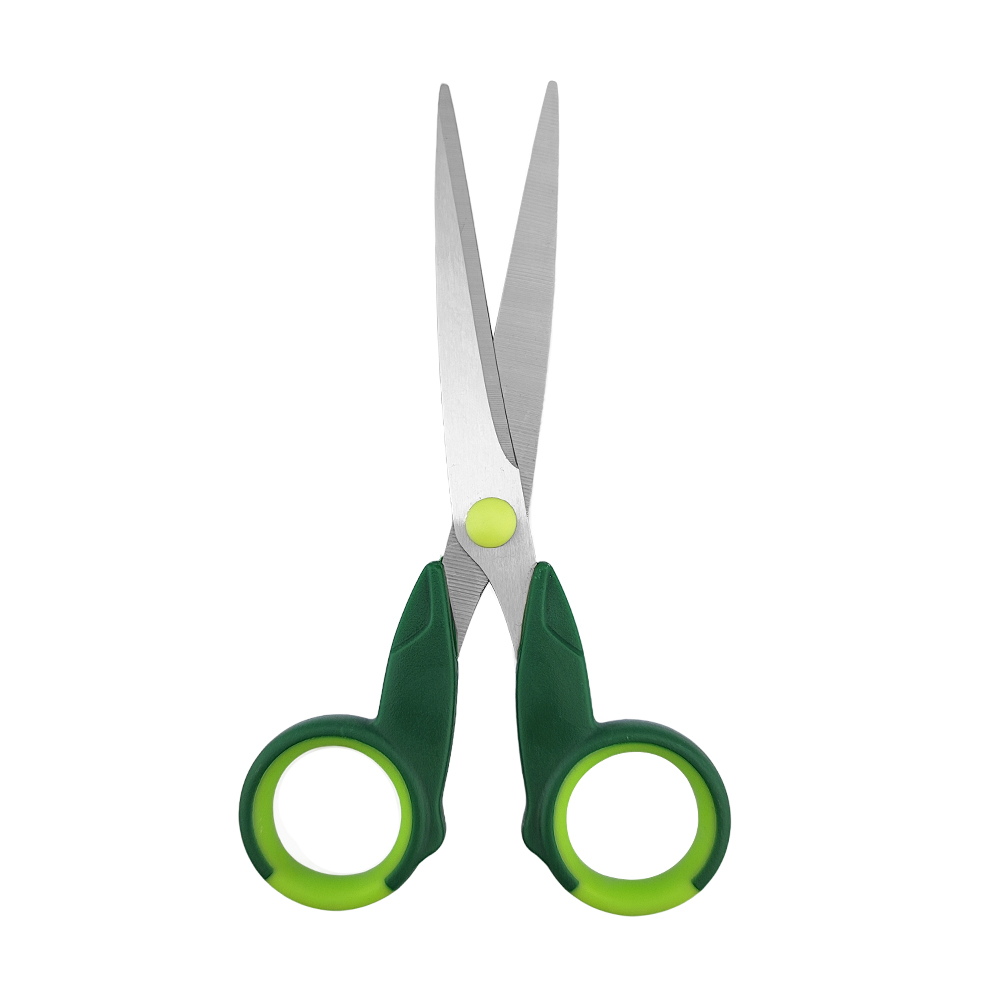
The most useful feature described in the source article is the handle design. A soft, rubberized grip can make scissors easier to control, especially when users cut repeatedly during office tasks, craft projects, school preparation, or household chores. The green dual-tone appearance may also support retail shelf visibility or brand differentiation, depending on the buyer’s market.
The original article also identifies stainless steel blades and a calibrated pivot as important performance points. For sourcing teams, these details should lead to follow-up questions rather than assumptions. Ask the supplier what stainless steel type is used, how blade hardness is controlled, whether the blades are polished or coated, and how pivot tension is checked during production. These questions help separate a visually attractive sample from a consistently manufacturable product.
Best-Fit Use Cases for Household and Office Programs
These scissors are positioned as suitable for daily tasks, home use, office work, crafting, and detailed cutting. That makes them relevant for several B2B channels: supermarket household aisles, stationery distributors, school supply packs, DIY craft assortments, online marketplace bundles, and branded office supply programs.
However, one scissors model rarely fits every channel equally well. A craft user may care about smooth cutting through fabric or cardstock, while an office buyer may prioritize reliable paper cutting, comfortable grip, and safe packaging. A household retail buyer may focus on broad usability and clear consumer instructions. Before requesting quotations, define the expected use case and build your evaluation around it.
OEM Customization Questions to Ask Suppliers
OEM sourcing is not only about placing a logo on an existing item. Buyers should clarify which parts of the scissors can be adjusted and which changes require new tooling, longer development time, or revised testing. Because the original article does not provide commercial terms, treat the following as questions to confirm with any supplier:
- Can the handle color be customized, including the green tone or two-color combination?
- Can the blade finish, logo placement, or packaging artwork be adapted for private label use?
- What minimum order quantity applies to standard stock, color changes, and fully customized packaging?
- What sample approval process is used before bulk production?
- What quality checks are performed for blade sharpness, pivot strength, handle adhesion, and visual defects?
- Which documents can the supplier provide for the destination market, if required by the buyer?
Comparison Checklist for Sample Review
When reviewing OEM scissors samples, use a structured checklist rather than relying on appearance alone. The table below can help sourcing, product, and quality teams compare models from different suppliers.
| Review Area | What to Check | Why It Matters |
|---|---|---|
| Handle comfort | Grip shape, softness, finger fit, non-slip feel | Reduces fatigue and improves control during repeated cutting |
| Blade performance | Clean cuts on paper, cardstock, fabric, labels, and light packaging | Confirms the scissors match the intended user and channel |
| Pivot action | Smooth opening and closing without looseness or grinding | Affects precision, safety, and long-term user satisfaction |
| Material confirmation | Supplier statement for blade material and handle material | Prevents vague claims and supports accurate product listings |
| Packaging suitability | Retail display, barcode area, warning text, private label artwork | Helps avoid delays before shipment or marketplace launch |
| Quality consistency | Pre-shipment inspection plan and defect criteria | Reduces the risk of inconsistent bulk production |
How to Test Scissors Before Placing an OEM Order
Sample testing should reflect real usage. If the scissors are intended for household use, test them on wrapping paper, food packaging, envelopes, thin cardboard, and common craft materials. If they are intended for stationery channels, test standard copy paper, labels, and cardstock. If the buyer plans to market them for crafting, include fabric or decorative paper only if the supplier confirms the product is suitable for that purpose.
During testing, note whether the blades cut cleanly from base to tip, whether the handles remain comfortable after repeated use, and whether the pivot stays stable. Also check whether the scissors feel balanced in both quick cuts and controlled detailed cuts. A sample that performs well for five cuts may not perform the same after a longer trial, so repeated testing is important.
Packaging, Listing, and Claim Discipline
For wholesale and private label programs, accurate claims protect both the buyer and the supplier. If the supplier has not confirmed a material grade, do not list one. If no test report or compliance document has been provided, do not imply certification. If the product is designed for household scissors use, avoid promoting it as industrial, medical, or professional-grade unless the supplier provides evidence and the product is actually intended for that category.
Good product copy can still be specific without overclaiming. For example, it is reasonable to describe the visible green ergonomic handle, the soft rubberized grip noted in the source, and stainless steel blades as stated. It is also reasonable to say the model should be evaluated for office, household, and craft applications. The strongest listings are clear, factual, and aligned with confirmed product details.
Supplier Evaluation for Long-Term Programs
If OEM scissors are part of a recurring product line, supplier communication matters as much as the first sample. Ask how design changes are documented, how color standards are approved, how production samples are retained, and how defects are handled. Buyers should also request clear lead time information, carton details, packing methods, and shipping documentation requirements before confirming a purchase order.
For multi-SKU programs, consider whether the supplier can support related scissors sizes, handle colors, or packaging formats. Do not assume these options exist; ask for a catalog, current tooling list, and examples of available packaging structures. A reliable supplier should be able to explain what is standard, what is custom, and what requires additional development.
Practical FAQ
Are these scissors suitable for private label programs?
They may be, especially because the product is presented as an OEM scissors option. Buyers should confirm logo methods, packaging customization, color options, MOQ, sample fees, and approval timelines directly with the supplier.
What confirmed features can be used in product copy?
Based on the source article, confirmed points include green ergonomic handles, a soft rubberized non-slip grip, stainless steel blades, and intended use across household, office, craft, and detailed cutting tasks.
Should buyers request samples before ordering?
Yes. Samples allow buyers to test comfort, cutting quality, pivot action, packaging, and overall consistency before committing to a wholesale or OEM order.
What should not be claimed without supplier proof?
Do not claim a specific steel grade, certification, safety standard, test result, production capacity, MOQ, price, or delivery time unless the supplier provides clear confirmation.
How can buyers compare multiple OEM scissors suppliers?
Use the same test materials, scoring checklist, and packaging requirements for each supplier. This creates a fair comparison and helps identify which sample best fits the target market.
