




Experience Precision with OEM Tailor Scissors
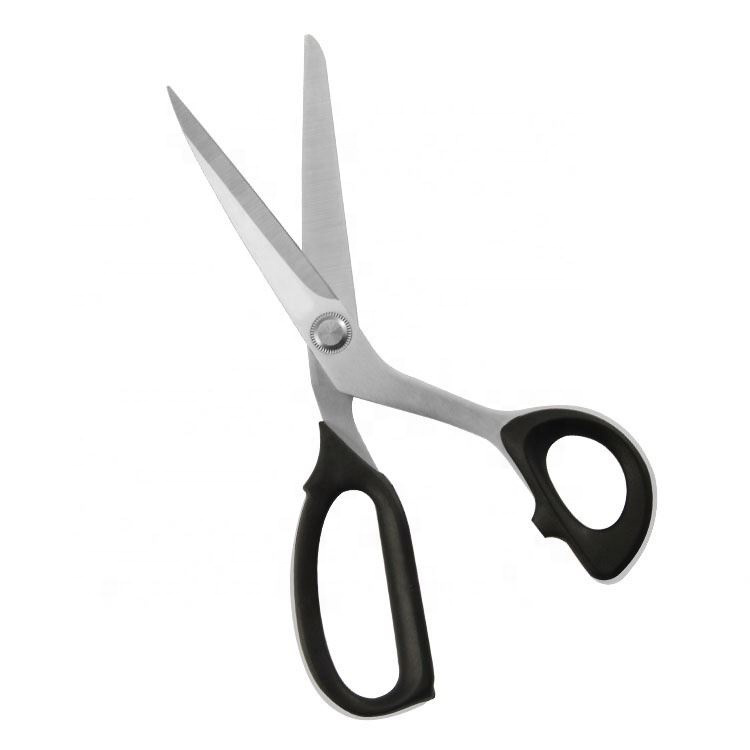
OEM tailor scissors are a core hand tool for sewing brands, craft retailers, garment workshops, promotional product buyers, and distributors serving fabric and household markets. The buying decision should not be based on appearance alone. A reliable pair of tailor scissors needs controlled blade alignment, comfortable handling, clean cutting performance, and consistent production quality across repeat orders.
The original product information highlights several explicit features: stainless steel blades, ergonomic handles with black finger loops, a matte handle finish, slip-resistant grip, heavy-duty use, and a pivot screw for blade adjustment. This article builds on those facts with practical B2B sourcing guidance, helping buyers prepare better questions before discussing OEM or wholesale tailor scissors with a supplier.
Key Takeaways
- Confirm the exact stainless steel type, blade hardness, edge finish, and corrosion-resistance expectations before placing an OEM order.
- Evaluate handle comfort with real cutting tasks, not only by checking the product photo or sample weight.
- Ask how the pivot screw is assembled, adjusted, and inspected because blade tension affects cutting accuracy.
- Request clear packaging, branding, inspection, and sample approval details before mass production.
- Do not assume MOQ, certifications, test results, or lead times; ask the supplier to document them for your project.
What Makes Tailor Scissors Different?
Tailor scissors are designed for cutting fabric and related materials more smoothly than general office scissors. The longer blade profile, stronger pivot area, and shaped handle are usually intended to support straight cutting lines and reduce effort across repeated use. For B2B buyers, this matters because end users often judge a sewing tool immediately: if it pulls fabric, feels unstable, or causes hand discomfort, returns and complaints can follow.
When sourcing OEM tailor scissors, review the product as a working tool. Test how it opens and closes, whether the blades meet evenly from pivot to tip, and whether the cutting motion remains stable after repeated cuts. A sample that looks acceptable but feels rough in use may not be suitable for a sewing, craft, or homeware product line.
Blade Material and Cutting Performance
The source article states that these tailor scissors use stainless steel blades. Stainless steel is commonly selected for scissors because it can offer a balance of strength, edge retention, and resistance to everyday moisture exposure. However, the phrase "stainless steel" is not enough for procurement. Buyers should ask the supplier which stainless steel grade is used, whether the blade is hardened, and what inspection method is applied to edge sharpness.
For fabric applications, the blade should cut cleanly without pushing the textile ahead of the edge. During sample review, test on several materials relevant to your market, such as cotton fabric, lining material, lightweight denim, felt, or craft paper if your customers use scissors across different tasks. If your order is for professional tailoring, the acceptance standard should be stricter than for general household use.
Handle Comfort, Grip, and User Fatigue
The original description notes ergonomic handles with black finger loops, a matte finish, and a slip-resistant grip. These are useful features because tailor scissors are often used for long cutting sessions. A handle that looks stylish but creates pressure points can reduce user satisfaction quickly, especially for sewing studios, schools, and hobby users who cut multiple pieces in one sitting.
When reviewing samples, ask several people with different hand sizes to test the scissors. Check whether the finger loops feel secure, whether the thumb and finger openings are comfortable, and whether the matte finish provides grip when hands are slightly dry or warm. For an OEM project, buyers may also ask which handle colors, surface finishes, or logo positions are available, but those details should be confirmed directly with the supplier rather than assumed.
Pivot Screw Adjustment and Blade Alignment
The source article mentions a pivot screw feature for easy blade adjustment. This is an important point because the pivot controls tension between the two blades. If the pivot is too loose, the blades may separate and bend fabric instead of cutting it. If it is too tight, the scissors may feel stiff and tiring to use.
For wholesale buyers, ask how pivot tension is set during assembly and whether there is a final opening-and-closing inspection. If the scissors are intended for retail packaging, consider whether customers are expected to adjust the pivot themselves or whether the product should arrive ready for use. A good sourcing conversation should include practical questions about consistency, not only catalog descriptions.
Comparison Checklist for OEM Buyers
| Evaluation Point | What to Check | Questions to Ask the Supplier |
|---|---|---|
| Blade material | Stainless steel blade quality, edge finish, and cutting consistency | What steel grade is used, and how is sharpness inspected? |
| Handle design | Comfort, grip, finger loop size, and matte finish durability | Can handle color, surface texture, or logo placement be customized? |
| Pivot screw | Smooth movement, correct tension, and stable blade alignment | How is pivot tension adjusted and checked before shipment? |
| Application fit | Performance on fabric, crafts, household tasks, or office use | Which materials are used in your internal cutting tests? |
| Packaging | Retail card, box, bulk pack, labeling, and barcode needs | What packaging options are available for OEM or wholesale orders? |
| Quality control | Incoming material checks, in-process inspection, and final sampling | Can you provide an inspection plan for this product? |
OEM Branding and Wholesale Sourcing Questions
OEM tailor scissors may be sold under a buyer's brand, included in sewing kits, offered as retail craft tools, or supplied to textile businesses. Before requesting a quotation, define the sales channel and user expectations. A retail product may need stronger packaging presentation and clear care instructions, while a workshop supply order may prioritize durability, repeat availability, and carton efficiency.
Because commercial details vary by supplier and order, buyers should ask direct questions instead of assuming terms. Useful questions include:
- What customization options are available for logo, handle color, packaging, and labeling?
- What is the MOQ for standard items and customized versions?
- What sample process is used before mass production?
- What lead time applies after artwork and sample approval?
- What quality standard is used for cutting performance, appearance, and packaging inspection?
- Can the supplier provide product photos, carton details, and any compliance documents relevant to the destination market?
How to Inspect Samples Before Ordering
A sample review should include more than visual inspection. Open and close the scissors repeatedly to feel for grinding, looseness, or uneven resistance. Cut along straight and curved lines to see whether the blades track cleanly. Inspect the tips, because poor tip alignment can make detail cutting difficult. Check the handle edges for burrs or uncomfortable seams.
It is also useful to compare several samples from the same supplier. Consistency matters for OEM and wholesale orders. If one sample feels excellent and another feels loose, ask how the supplier controls production variation. For private-label buyers, keep an approved sample as a reference for future inspection.
Use and Care Guidance for End Users
Even well-made tailor scissors perform better when used correctly. If the product is sold to consumers or sewing professionals, packaging or instructions can help reduce misuse. Recommend using fabric scissors mainly for fabric, thread, and suitable craft materials rather than hard wire, thick plastic, or abrasive items. Wipe the blades dry after use, store the scissors closed, and keep the pivot area clean. If the pivot screw is adjustable, users should make small adjustments only when needed and avoid over-tightening.
Clear care guidance is especially helpful for retailers because it sets realistic expectations. It also helps protect the cutting edge, which supports better long-term customer satisfaction.
FAQ
Are OEM tailor scissors only for professional tailors?
No. The original article positions these scissors for professionals and home users. They can suit tailoring, crafting, household, and office tasks, depending on the final product specification and buyer requirements.
What should I confirm about the stainless steel blades?
Ask the supplier for the exact stainless steel grade, blade hardness if available, edge finishing method, and the quality checks used to confirm cutting performance. Do not rely only on the general phrase "stainless steel."
Why does the pivot screw matter?
The pivot screw affects blade tension. Correct tension helps the blades meet properly and cut smoothly, while poor tension can cause stiffness, looseness, or uneven cutting.
Can tailor scissors be customized for private label orders?
OEM customization may be possible, but details such as logo method, handle color, packaging, MOQ, and lead time should be confirmed directly with the supplier for the specific order.
How should buyers compare suppliers?
Compare sample quality, communication clarity, documented inspection process, packaging options, customization support, and consistency between samples. Price is important, but it should be evaluated alongside product performance and quality control.
Final Sourcing Advice
OEM tailor scissors should be selected with the same care as any repeat-purchase tool. Stainless steel blades, ergonomic black finger loops, a matte slip-resistant handle, heavy-duty versatility, and an adjustable pivot screw are useful starting points, but buyers still need to verify specifications and production controls. A clear sample approval process, practical cutting tests, and well-defined packaging requirements can reduce risk before placing a wholesale or private-label order.
