




Explore OEM School Scissors: Safety with Style
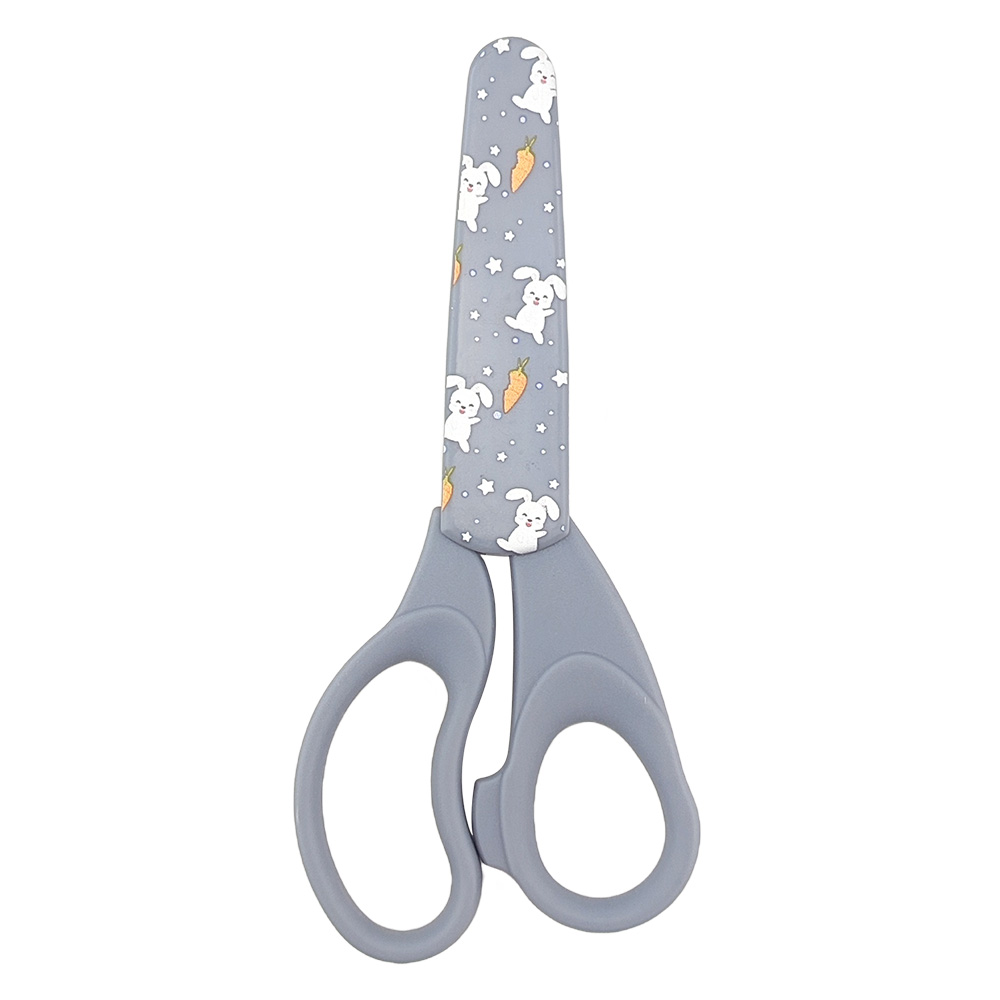
OEM school scissors are a small item with a big role in classrooms, stationery ranges, craft kits, and back-to-school programs. Buyers are not only comparing price; they also need to understand safety details, age suitability, packaging, branding options, and the consistency a supplier can deliver over repeat orders. The product shown in the original article highlights several practical details: a child-oriented scissor design, a protective cover, and playful artwork featuring white bunny rabbits and orange carrots on a soft blue background.
This guide rewrites the topic from a sourcing perspective. It is intended for importers, wholesalers, brand owners, school supply distributors, and OEM buyers who need to ask better questions before placing an order. Because product requirements differ by market and customer age group, confirm all specifications, compliance expectations, and commercial terms directly with the supplier before purchase.
Key Takeaways
- School scissors should be reviewed for age suitability, tip shape, handle comfort, and controlled cutting performance.
- A blade cover can improve storage safety and make the product more attractive for school bags and craft kits.
- OEM buyers should confirm materials, dimensions, packaging, artwork process, labeling, and testing needs before approving production.
- Do not rely on appearance alone; request samples and check how the scissors perform with common classroom materials.
What Makes OEM School Scissors Different?
Standard retail scissors are usually sold as finished products with fixed colors, packaging, and branding. OEM school scissors are different because the buyer may request changes such as handle color, blade cover design, printed logo, retail card, barcode label, carton mark, or assortment plan. This flexibility is useful for private-label stationery brands, supermarket school-season promotions, educational supply catalogs, and gift or activity sets.
However, OEM flexibility also adds responsibility. A buyer should define the intended user group, expected cutting materials, packaging format, and destination market. Preschool scissors, elementary school scissors, and general craft scissors may look similar, but their performance and safety expectations can be different. A clear product brief helps the factory quote accurately and reduces misunderstandings during sampling.
Safety Features Buyers Should Check
Safety is the central search intent behind school scissors. The original article describes safety-scissor elements and rounded blade tips intended to reduce accidental injury risk during arts and crafts. For sourcing, buyers should turn that idea into a checklist instead of assuming every school scissor is suitable for every child.
Important review points include:
- Tip shape: Ask whether the blade tips are rounded, blunt, or otherwise designed for young users.
- Blade exposure: Check how much cutting edge is accessible during use and storage.
- Handle size: Confirm whether the finger loops suit the intended age range and hand size.
- Grip comfort: Evaluate whether children can open and close the scissors without excessive force.
- Cutting control: Test straight lines, curves, and short cuts on paper or classroom craft materials.
For any regulated market, ask the supplier which standards or tests may apply to your product category and destination. Do not assume compliance from general product photos or marketing text.
Why a Scissors Cover Matters
A protective cover is more than a decorative add-on. The original product includes a cover with a friendly illustrated design, using rabbit and carrot motifs on a soft blue background. For school and home use, a cover helps keep the blades covered when the scissors are placed in a pencil case, backpack, drawer, or classroom supply bin.
For B2B buyers, the cover also creates a branding opportunity. It can carry themed artwork, seasonal colors, character-style illustrations, or a private-label identity. When reviewing a covered scissor design, check whether the cover fits securely, whether it is easy for a child to remove, and whether it stays paired with the scissors during normal handling. A cover that is too loose may be lost quickly; one that is too tight may frustrate younger users.
Comparison Checklist for Sourcing School Scissors
| Item to Compare | Why It Matters | Questions to Ask the Supplier |
|---|---|---|
| Tip design | Helps match the scissors to the intended age group and classroom use. | Are the tips rounded or blunt? Can you provide close-up sample photos? |
| Handle shape | Affects comfort, control, and suitability for small hands. | What age range is the handle designed for? Are left-hand options available? |
| Blade cover | Improves storage convenience and adds visual appeal. | How is the cover retained? Can the cover artwork or color be customized? |
| Cutting performance | Determines whether children can complete craft tasks without tearing paper. | What materials should the sample cut reliably, such as paper or card? |
| Packaging | Impacts retail display, shipping protection, and private-label presentation. | Can you quote bulk pack, blister card, header card, or customized packaging? |
| Documentation | Supports import review and customer requirements. | What test reports, material declarations, or labeling information can be provided? |
OEM Customization Points to Define Early
Before requesting a quotation, prepare a simple specification sheet. It does not need to be complicated, but it should remove guesswork. Include the target user, product size, preferred handle colors, whether a cover is required, artwork requirements, logo position, packaging type, inner and master carton preferences, and any labeling requirements for your sales channel.
If you are developing a themed line, the cover artwork may be as important as the scissor body. The bunny-and-carrot example shows how a school tool can feel friendly without changing its basic function. Buyers should ask how artwork is applied, whether color matching is available, what file format is required, and whether a pre-production sample can be approved before mass production.
How to Evaluate a School Scissors Factory or Supplier
A school scissors factory should be assessed on communication and process control as much as on the product sample. Start by sending the same request to each potential supplier so quotations can be compared fairly. Ask for product photos, available styles, customization options, packaging examples, sample lead time, production lead time, payment terms, and quality inspection process.
Because missing details can become costly later, avoid vague phrases such as “good quality” or “safe for kids” in your purchase brief. Instead, ask direct questions: What are the confirmed product dimensions? What materials are used? Can the supplier support your required packaging? What labeling is possible? What is the procedure if goods do not match the approved sample? These questions help both sides define expectations before production begins.
Sample Testing Before Bulk Orders
Samples are essential for school scissors. When samples arrive, test them in the same environment your customers will use them. Try cutting copy paper, colored craft paper, and other lightweight classroom materials relevant to your range. Observe whether the scissors open smoothly, whether the handle feels stable, and whether the cover remains secure after repeated removal and replacement.
For buyers supplying schools or large retail accounts, keep one approved sample sealed for reference. This makes it easier to compare mass-production goods against the agreed standard. If you request changes after the first sample, record them in writing with photos or marked drawings.
Practical FAQ
Are OEM school scissors suitable for preschool children?
They may be, but suitability depends on the exact tip design, handle size, cutting edge, and local safety expectations. Ask the supplier for the recommended age range and confirm with sample testing.
Can the scissors cover be customized?
In many OEM projects, color, artwork, or branding may be discussed with the supplier. Confirm available processes, artwork requirements, sampling fees if any, and approval steps before ordering.
What should buyers ask before placing a wholesale order?
Ask about product dimensions, materials, packaging, carton details, sample timing, production timing, inspection methods, documentation, and any applicable requirements for your destination market.
Should I choose bulk packing or retail packaging?
Bulk packing may suit classroom supply programs, while retail packaging is better for store shelves and e-commerce presentation. Choose based on your sales channel, handling needs, and labeling requirements.
How can I reduce quality issues in OEM production?
Approve a physical sample, write clear specifications, confirm packaging artwork, request production photos when appropriate, and arrange inspection based on the order value and customer expectations.
