




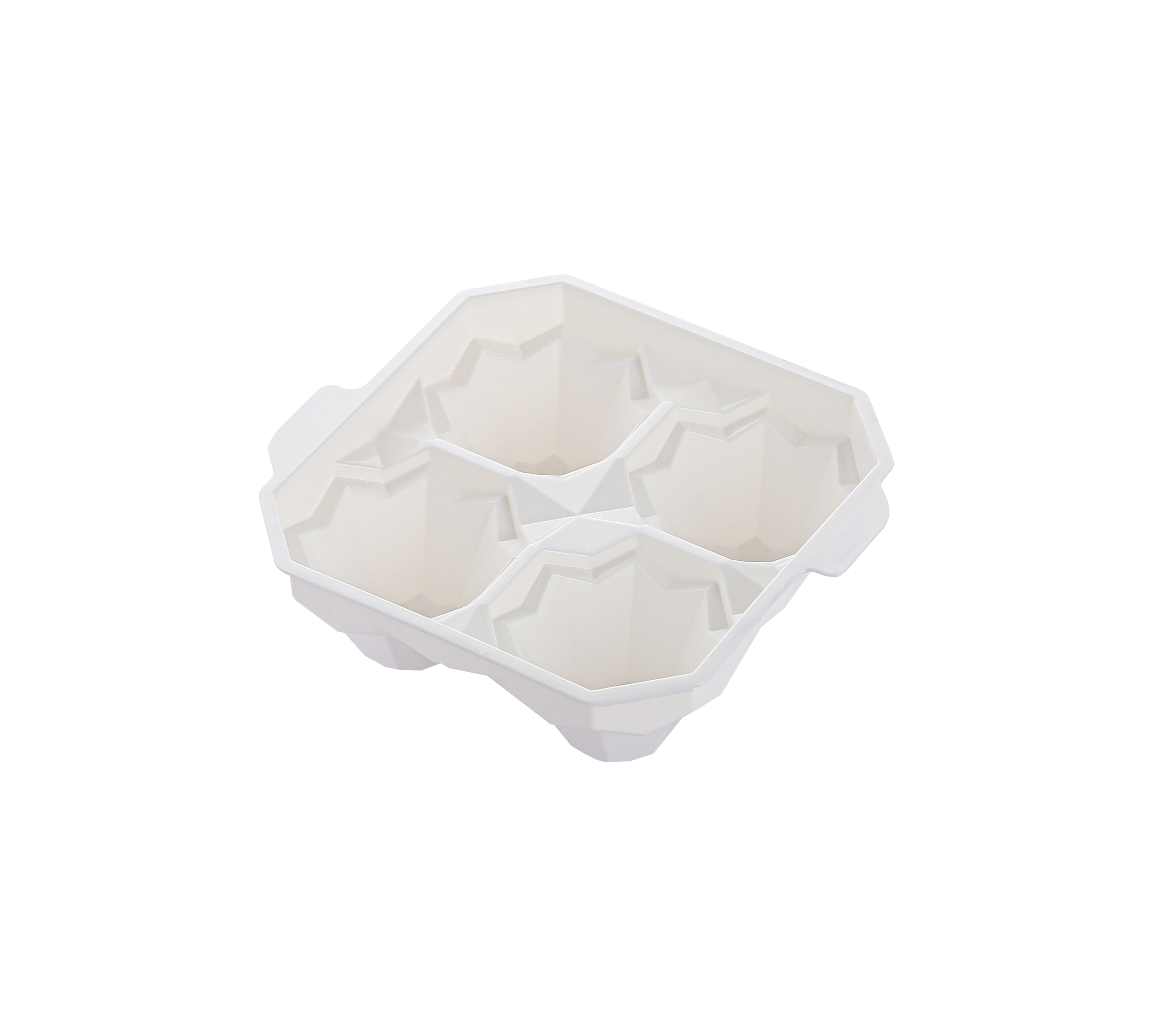
Ice Cube Tray Manufacturer: Practical OEM Sourcing Guide
Choosing an ice cube tray manufacturer is not only about finding a supplier that can mold a useful kitchen product. For importers, promotional buyers, hospitality distributors, and houseware brands, the real task is to match design, material, usability, packaging, quality control, and commercial terms with the expectations of the target market. The original article highlighted custom ice cube trays, silicone construction, easy release, geometric shapes, and a mint green faceted design that creates distinctive ice for drinks. This guide builds on those explicit points and turns them into a practical checklist for sourcing and product development.
Ice cube trays are small items, but they affect user experience every time a customer fills, freezes, releases, cleans, and stores them. A tray that looks interesting but is difficult to release may create complaints. A flexible tray that releases well but lacks stable packaging may arrive deformed. A design that works for home use may need different packaging, labeling, or durability expectations for hotel, bar, or retail distribution. That is why buyers should evaluate an ice tray supplier with the same discipline used for larger kitchenware programs.
Key Takeaways
- Custom silicone ice trays can support geometric, triangular, polygonal, or faceted ice shapes when the mold design is well controlled.
- Buyers should confirm material, compliance documents, color options, packaging, sample timing, and quality checks before placing an OEM order.
- Slow-melting larger shapes may help drinks stay chilled longer, but buyers should test the actual size and use case rather than relying on assumptions.
- Commercial details such as MOQ, lead time, tooling cost, and private-label options should be requested directly from the manufacturer.
Understanding Custom Ice Cube Trays
Custom ice cube trays allow brands to move beyond standard square cubes. The source article mentions a geometric silicone ice tray collection in a mint green hue with faceted designs that create geometric ice spheres. It also refers to triangular and polygonal forms. These shapes can appeal to home entertaining, cocktail service, gift sets, and promotional product lines where visual presentation matters.
When developing a custom tray, define the use case first. A retail kitchenware brand may care about shelf appeal and easy storage. A barware distributor may focus on ice size, clarity expectations, and release speed during service. A corporate gift buyer may need a distinctive shape, custom color, or branded package. The same mold concept may not suit every channel, so the brief should specify the market, user, price position, and packaging format.
Design Factors That Affect User Experience
Silicone trays are valued because flexibility can make ice easier to release than in rigid plastic trays. However, the user experience depends on more than the material. Wall thickness, cavity depth, rim stability, tray footprint, and lid design, if any, all influence how the tray performs. A very flexible tray may release ice easily but can be harder to carry when filled with water. A deep geometric cavity can create an attractive piece of ice but may require more freezing time and careful filling.
For geometric or faceted ice, buyers should request samples and test them in realistic conditions. Fill the tray under a normal kitchen faucet, carry it to a freezer, stack it if stacking is part of the concept, and release the ice after freezing. Check whether the shapes remain recognizable, whether the tray twists comfortably, and whether the ice fits common glasses. These simple tests often reveal issues before mass production.
Comparison Checklist for Buyer Evaluation
| Evaluation Area | What to Check | Questions to Ask the Supplier |
|---|---|---|
| Material | Silicone quality, flexibility, odor, and intended food-contact use | What material documentation can be provided for the target market? |
| Design | Shape accuracy, cavity size, release performance, and filled-tray stability | Can samples be tested before confirming the mold or order? |
| Customization | Color, shape, logo method, and packaging options | Which elements are customizable, and which require tooling changes? |
| Quality Control | Visual defects, flashing, deformation, color consistency, and packaging condition | What inspection standard is used before shipment? |
| Commercial Terms | MOQ, sample cost, production lead time, payment terms, and shipping method | What are the current order requirements and timelines? |
Production Questions to Ask an Ice Tray Manufacturer
The original article describes ice tray production as a process involving molding silicone material and forming precise shapes. For a buyer, the important point is to translate that general process into verifiable production questions. Ask whether the supplier already has existing molds for geometric, triangular, polygonal, or sphere-style trays. Existing molds may reduce development time, while a new shape may require tooling and additional sampling.
Buyers should also ask how color matching is handled, especially if the project uses a specific shade such as mint green. If the tray is part of a wider kitchenware collection, request color samples under different lighting conditions. For private-label products, clarify whether logo placement is possible on the tray, packaging, insert card, or outer carton. Avoid assuming that every customization is available without tooling or cost implications.
Quality, Compliance, and Documentation
Because ice cube trays come into contact with water that becomes ice for beverages, buyers should handle compliance carefully. Do not rely on broad marketing language. Instead, request the documents needed for the destination market and sales channel. Depending on where the product will be sold, retailers or importers may require specific food-contact declarations, test reports, labeling information, or material data. The manufacturer should be able to explain what documentation is available and what testing may need to be arranged for a new order.
Quality checks should cover both function and appearance. Inspect samples for odor, surface defects, uneven color, weak edges, rough flashing, and deformation. Test repeated filling, freezing, twisting, and washing. If the tray has sharp geometric detail, check whether the corners release cleanly and whether the shape remains attractive after removal. For packaged goods, perform a drop or compression check suited to the shipping route and retail format.
Packaging and Wholesale Readiness
Packaging is often where a simple ice tray becomes a retail-ready product. A wholesale buyer may need a hang card, color box, sleeve, insert card, barcode label, master carton marking, or multilingual user instructions. Before confirming an order, discuss packaging dimensions, artwork format, carton quantity, and whether the tray needs support to prevent bending during transport.
For online sales, packaging should protect the tray and communicate the ice shape clearly. For physical retail, the package may need to show the cavity design, color, and usage instructions quickly. For hospitality or food-service distribution, a simpler bulk pack may be more appropriate. The right packaging depends on the sales channel, so buyers should include channel details in the sourcing brief.
How to Build a Clear OEM Brief
A strong OEM brief reduces misunderstandings and speeds up quoting. Instead of asking only for a price, provide the supplier with a complete product direction. Include the target shape, approximate tray size, number of cavities, preferred color, packaging style, order quantity estimate, destination country, required documentation, and expected launch schedule. If you are comparing several suppliers, send the same brief to each one so quotes can be evaluated fairly.
- Define the target user and sales channel.
- Choose the preferred ice shape and tray format.
- Request available mold options before developing new tooling.
- Ask for samples and test release, stability, cleaning, and storage.
- Confirm packaging, documentation, inspection process, and commercial terms in writing.
Practical FAQ
What makes silicone useful for ice cube trays?
Silicone is flexible, which can help users release frozen ice more easily. Buyers should still test the exact tray design because flexibility, wall thickness, and cavity shape all affect performance.
Can an ice cube tray manufacturer make custom geometric shapes?
Many manufacturers can offer existing or custom molds, but buyers should ask which shapes are already available and whether triangular, polygonal, faceted, or sphere-style designs require new tooling.
What should buyers confirm before placing a wholesale order?
Confirm material documentation, sample approval, color standard, packaging artwork, inspection criteria, MOQ, lead time, payment terms, and shipping arrangements. These details should be written into the order documents.
Do larger or geometric ice shapes melt more slowly?
Larger pieces of ice can often chill drinks for longer than small cubes because they may have less surface area relative to volume. However, buyers should test the actual tray cavity size and beverage use case before making product claims.
What information should not be assumed?
Do not assume a supplier's certifications, production capacity, MOQ, prices, or test results unless they are provided directly. Ask for current documents and commercial terms for the specific order.
Final Sourcing Advice
An ice cube tray may look simple, but successful sourcing depends on practical testing and clear communication. For custom silicone trays, focus on shape accuracy, release performance, tray stability, material documentation, and packaging suitability. If the product concept includes geometric ice spheres, mint green color, or faceted designs, request samples that match those details rather than approving only a generic tray. A reliable manufacturer should help buyers understand what is already available, what requires customization, and which questions must be answered before production begins.
