




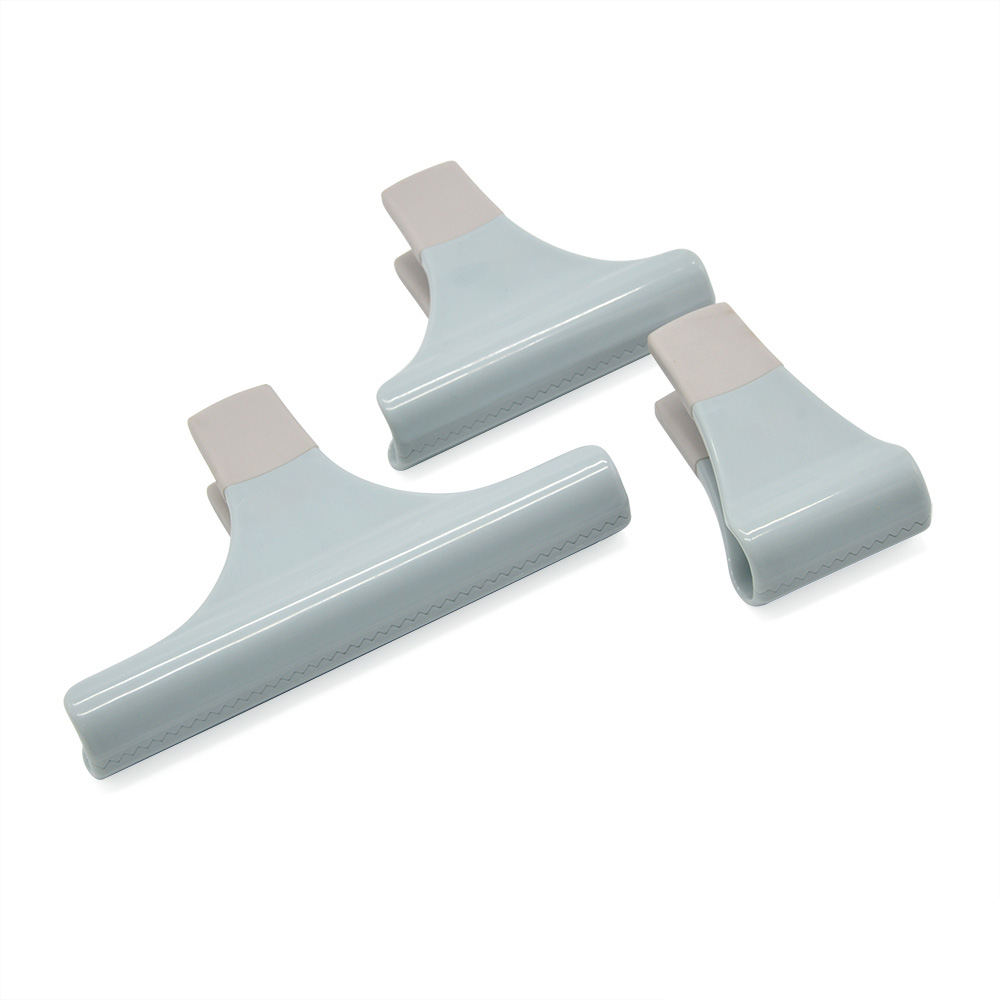
Explore Sealing Clip Factory for Nordic Elegance
Plastic sealing clips are simple products, but they matter in daily kitchen storage, retail promotions, home organization, and private-label houseware ranges. A well-designed clip should close a bag securely, feel comfortable in the hand, and look appropriate for modern kitchens. For buyers sourcing from a sealing clip factory, the challenge is not only finding a low unit cost. It is choosing a supplier that can consistently produce clips with reliable grip, clean finishing, practical packaging, and a design language that fits the target market.
The original concept behind this article is clear: sealing clips can combine function with Nordic-inspired simplicity. That means practical shapes, restrained colors, smooth surfaces, and usability without unnecessary decoration. The following guide explains how to evaluate a plastic sealing clips manufacturer or factory for B2B purchasing, OEM development, wholesale programs, or retail houseware collections.
Key Takeaways
- A good sealing clip factory should be assessed by product performance, material questions, finishing quality, tooling capability, and packaging support.
- Nordic-inspired sealing clips usually emphasize clean lines, simple colors, easy handling, and practical storage use.
- Buyers should request samples and test grip strength, hinge action, edge smoothness, and repeated opening and closing.
- Do not rely only on catalog photos; ask specific questions about materials, color matching, OEM options, quality inspection, and lead time.
What a Sealing Clip Factory Typically Produces
A sealing clip factory usually manufactures clips used to close opened food bags, snack packs, cereal bags, coffee pouches, frozen food bags, or other household packaging. In the source article, the product is described as a plastic sealing clip designed for versatility, including sealing large cereal bags and organizing snacks. That broad use case is important for buyers because one clip line may need to serve several retail scenarios.
For example, a supermarket private-label program may require multi-size packs, while a homeware distributor may prefer a color-coordinated set. A promotional buyer may need custom colors and simple branding. An e-commerce seller may focus on compact packaging and clear product photography. Before choosing a supplier, define the product role: daily kitchen use, value pack, premium design set, giftable storage accessory, or OEM component in a larger kitchen organization range.
Nordic-Inspired Design: What Buyers Should Look For
The original article connects the product with Nordic or Scandinavian design principles. In sourcing terms, this should not be treated as a vague decoration claim. It should be translated into practical product attributes. Nordic-inspired clips often use simple silhouettes, matte or soft-touch finishes, muted colors, and intuitive handling. The purpose is to make an everyday storage tool feel calm, clean, and easy to use.
When reviewing factory samples, check whether the design is consistent across a product set. Are the edges clean? Does the clip look bulky or balanced? Are the colors suitable for the intended market? Does the finish resist looking cheap after handling? If soft-touch finishes are offered, ask the supplier how they are produced, how they should be cleaned, and whether the finish may change with repeated use. These questions help separate meaningful design development from surface-level styling.
Production and Quality Factors to Review
The source article mentions attention to detail, efficient production processes, and a firm, non-slip grip. For a B2B buyer, these claims should be verified through samples, inspection criteria, and written supplier communication. A sealing clip may look acceptable at first glance, but small production issues can affect customer satisfaction. Loose hinge action, uneven molding, sharp edges, weak closing force, color variation, or packaging scuffs can all create complaints.
Ask the factory how it controls consistency during production. Useful questions include: What checks are performed during molding or assembly? How are defective clips removed? How is color consistency managed between batches? Can the supplier provide pre-production samples before mass production? What packaging options protect the surface finish during shipping? If the supplier describes advanced technology or efficient production, request practical evidence such as sample consistency, inspection workflow, and tolerance control rather than broad promises.
Comparison Checklist for Supplier Evaluation
| Evaluation Area | What to Check | Questions to Ask the Factory |
|---|---|---|
| Grip performance | Clip holds bags firmly and does not slip easily during normal use. | Can you provide samples for repeated open-close and bag-holding tests? |
| Material and finish | Plastic feels suitable for the market position; finish is even and comfortable. | What material options and surface finishes are available for this clip? |
| Design consistency | Shape, color, and texture align with Nordic-inspired or modern kitchen ranges. | Can colors be matched to a buyer reference or approved sample? |
| OEM support | Supplier can discuss custom colors, packaging, sets, or branding if required. | What OEM options are available, and what details affect cost and lead time? |
| Packaging | Retail pack, bulk pack, or e-commerce pack protects clips and presents them clearly. | Can you support buyer-provided packaging artwork or packing instructions? |
| Quality control | Inspection checks are defined before shipment. | What inspection standard is used, and can results be shared before delivery? |
Sample Testing Before Placing a Wholesale Order
Samples are essential when sourcing plastic sealing clips. Photos cannot show how a clip feels, how much pressure is needed to open it, or whether it holds different bag materials securely. Buyers should test the clip on thin snack bags, thicker cereal bags, coffee bags, and folded packaging. This helps confirm whether one design is suitable for the intended product range.
- Open and close each sample repeatedly to check hinge comfort and consistency.
- Seal a partly full bag and lift it gently to see whether the clip slips under normal handling.
- Check the edges and corners for roughness that may scratch hands or damage bags.
- Compare colors under natural and indoor light if the product is design-led.
- Review packaging after transit to see whether clips rub, mark, or deform.
For larger orders, consider approving a golden sample. This gives both buyer and supplier a reference for color, finish, grip, and general appearance. The golden sample should be kept unchanged and used during production review or third-party inspection if applicable.
OEM, Private Label, and Packaging Questions
Many buyers approach a sealing clip factory for OEM or private-label projects. However, commercial details can vary by supplier, product structure, tooling status, order size, and packaging complexity. Instead of assuming a factory can meet every requirement, create a clear request for quotation. Include target clip sizes, colors, finish preference, logo or no logo, packaging style, carton requirements, estimated order quantity, and destination market.
Important questions include whether the factory offers existing molds or requires new tooling, whether custom colors are available, how color approval is handled, what artwork format is needed for packaging, and what lead time applies after sample approval. If compliance documents are needed for your market or retailer, ask the supplier what documentation can be provided and verify it independently. Avoid making assumptions about certifications or test results unless the supplier provides current and relevant documents.
Use Cases for Retail and Distribution
Plastic sealing clips can be positioned in several ways. A basic assortment may focus on everyday bag closure. A design-led set may emphasize color coordination and clean kitchen storage. A family pack may include multiple clip sizes. A wholesale buyer may supply supermarkets, discount stores, kitchenware chains, online marketplaces, or promotional channels. Each channel has different priorities.
For retail shelves, packaging clarity and perceived value are important. For online sales, product dimensions, count per pack, lifestyle images, and review-driven performance matter. For wholesale distribution, carton efficiency and reorder consistency may be more important than decorative packaging. The best sourcing decision comes from matching factory capability to channel requirements, not simply selecting the lowest quoted price.
Practical FAQ
What should I ask a sealing clip factory first?
Start with product range, available sizes, material options, color choices, packaging formats, sample availability, OEM support, production lead time, and quality inspection process. Provide your intended market and use case so the supplier can recommend suitable options.
How can I judge whether a plastic sealing clip has good grip?
Test it on several bag types, including thin snack packaging and larger cereal bags. Fold the bag, apply the clip, and check whether it stays in place during normal handling. Repeat the test after multiple openings and closings.
Are soft-touch finishes suitable for sealing clips?
They can improve hand feel and visual appeal, but buyers should request samples and ask how the finish performs with repeated handling, cleaning, and packaging contact. Confirm care instructions before retail use.
Can sealing clips be customized for private label?
Many suppliers may offer custom colors, packaging, or branding, but availability depends on the factory, mold, order quantity, and project details. Ask for a written quotation and sample plan before confirming an order.
What quality issues are common with low-cost clips?
Common concerns include weak closing force, uneven color, rough edges, inconsistent hinge action, surface marks, and packaging damage. Clear specifications and sample approval help reduce these risks.
Conclusion
Sourcing from a sealing clip factory is about balancing function, design, and production reliability. For Nordic-inspired plastic sealing clips, buyers should look beyond appearance and verify grip performance, finish quality, sample consistency, and packaging practicality. A well-prepared sourcing brief, careful sample testing, and direct supplier questions can help create a storage product that is useful, visually restrained, and suitable for modern kitchenware ranges.
