




Explore the 138th Canton Fair: Leading Exhibitors & Factory Suppliers
The 138th Canton Fair remains one of the most important trade events for buyers who want to compare products, meet suppliers face to face, and understand how different factories present their capabilities. For importers, wholesalers, retailers, and private-label buyers, the value of the fair is not only the number of booths. It is the opportunity to inspect product samples, ask direct questions, and build a sourcing shortlist based on evidence rather than online listings alone.
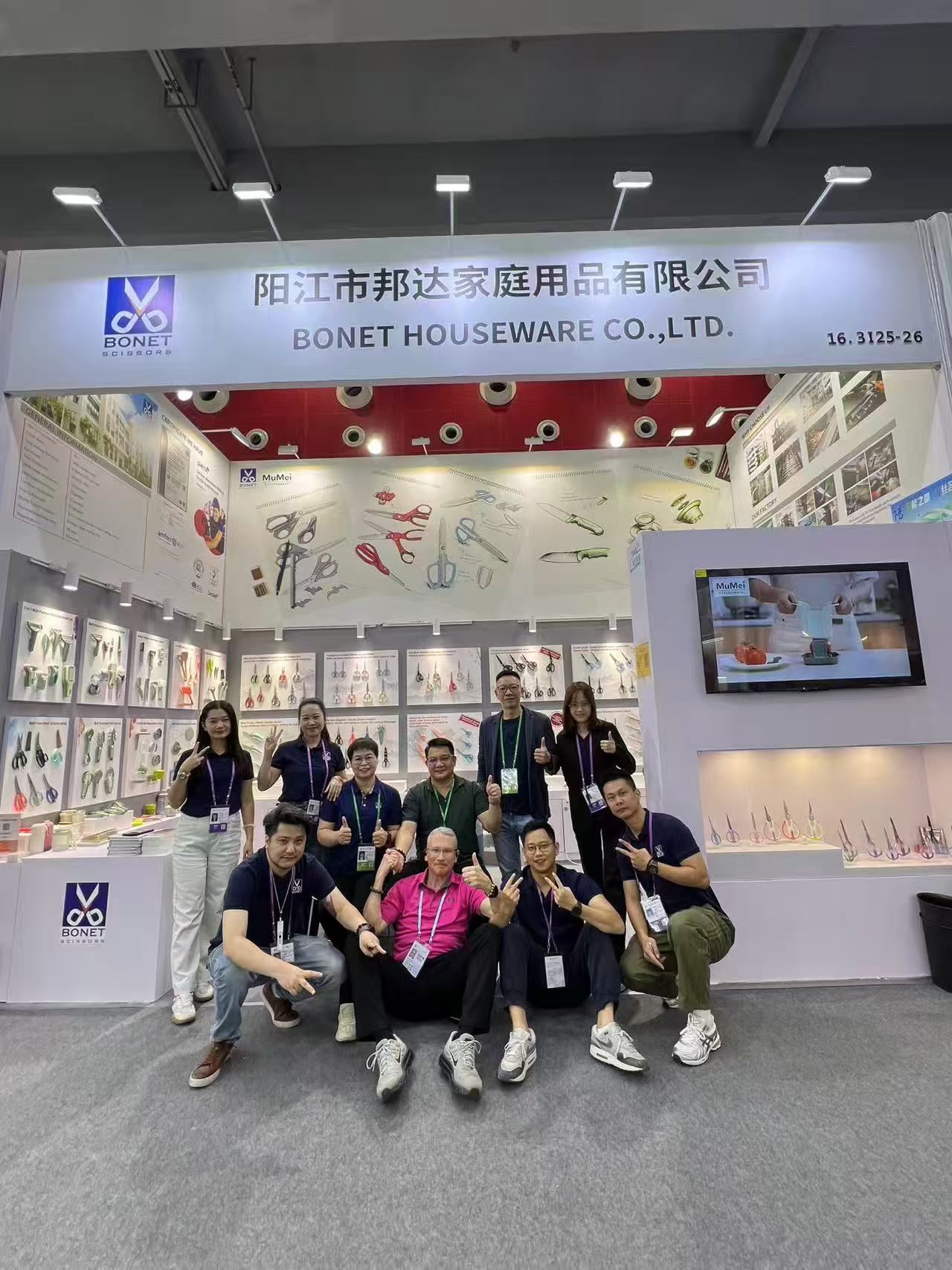
Houseware and cutting-tool buyers may use the fair to review categories such as kitchen shears, household scissors, manicure scissors, and related cutting tools. The original article highlighted BONET HOUSEWARE CO., LTD. as one exhibitor presenting scissors and cutting tools, with a booth display and demonstration video. This kind of in-person presentation can help buyers understand product range and design direction, but serious sourcing still requires structured evaluation, follow-up documentation, and sample testing after the event.
Key Takeaways
- The Canton Fair is useful for discovering exhibitors, but supplier selection should be based on verifiable details, not booth appearance alone.
- Buyers should prepare product requirements, target markets, packaging needs, and compliance questions before walking the halls.
- For scissors and cutting tools, request samples and clarify materials, edge retention expectations, packaging, labeling, and quality inspection processes.
- Post-fair follow-up is where serious supplier comparison happens: confirm quotations, lead times, customization options, and documentation.
Why the 138th Canton Fair Matters for Sourcing
The Canton Fair brings together a large number of exhibitors across many product categories, making it efficient for buyers who need to compare suppliers in a short time. Instead of contacting factories one by one online, visitors can examine products, discuss requirements, and see how suppliers explain their production and service process.
For B2B buyers, the fair can support several sourcing goals: finding new categories, benchmarking prices, evaluating product design, meeting existing suppliers, or identifying OEM and wholesale partners. However, a busy exhibition environment can also create pressure to make quick judgments. A clear sourcing plan helps buyers separate attractive displays from suppliers that are genuinely suitable for long-term cooperation.
How to Evaluate Canton Fair Exhibitors
A professional booth can be a good starting point, but it should not be the final proof of supplier reliability. When visiting exhibitors, look at how clearly they can explain their product range, production process, customization options, and export experience. If you are sourcing houseware cutting tools, ask whether the supplier can provide different product types, packaging formats, handle designs, or branding options. Do not assume any material grade, certification, or performance result unless the supplier provides documentation.
Useful questions include: What are the standard product lines? Which items are already in regular production? What customization is possible? What is the normal process for samples? What quality checks are performed before shipment? What documents can be provided for your market? These questions help turn a booth visit into a practical supplier assessment.
Factory Supplier Questions Buyers Should Ask
When meeting Canton Fair factory suppliers, prepare a short checklist that fits your business model. A retailer may focus on packaging and consumer presentation. A wholesaler may care more about assortment depth and shipment consistency. An OEM buyer may need drawings, private-label support, and stable communication during development.
- Ask whether the supplier is a manufacturer, trading company, or a combination of both.
- Request the product catalog and identify which items are current production models.
- Discuss minimum order quantities, but treat any number as unconfirmed until it is provided in writing.
- Ask about sample fees, sample lead time, and whether samples match mass production.
- Clarify packaging, barcode, labeling, instruction sheet, and carton requirements.
- Request details about inspection procedures and how defects are handled.
- Confirm who will manage communication after the fair and how quotations will be updated.
Comparison Checklist for Shortlisting Suppliers
Use a simple scoring sheet during or immediately after the visit. Memory becomes unreliable after dozens of booth meetings, so record facts while they are fresh. The table below can be adapted for scissors, kitchen shears, manicure scissors, or other houseware categories.
| Evaluation Area | What to Check | Why It Matters |
|---|---|---|
| Product fit | Category range, sample quality, design options, packaging examples | Confirms whether the exhibitor can match your market and sales channel |
| Factory role | Manufacturer, trader, or mixed supplier model | Affects pricing, communication, customization, and accountability |
| Documentation | Catalogs, written quotations, available product information, requested compliance documents | Reduces misunderstanding and supports internal purchasing review |
| Customization | Logo, color, packaging, assortment, OEM development process | Important for private label and differentiated retail programs |
| Quality process | Incoming checks, production checks, final inspection, defect handling | Helps estimate risk before placing a trial order |
| Communication | Response speed, technical clarity, named contact person | Good communication is essential after the fair, especially for samples and revisions |
Notes for Houseware and Cutting Tool Buyers
The original article noted that BONET HOUSEWARE CO., LTD. displayed scissors and cutting tools, including kitchen shears and manicure scissors. For buyers in this category, hands-on review is especially important because product performance depends on details that are hard to judge from photos. Consider the grip, opening and closing action, finish consistency, packaging protection, and whether the item feels suitable for the intended consumer segment.
At the same time, do not rely only on feel. Ask the supplier to identify the exact materials, surface treatment, blade design, handle material, and quality criteria for each item. If you sell into markets with specific requirements, ask what documentation can be supplied and confirm it with your compliance team. The fair is a good place to start these conversations, but purchase decisions should be supported by samples, written specifications, and independent verification when needed.
How to Follow Up After the Fair
The most productive Canton Fair visits usually lead to a disciplined follow-up process. Within a few days, organize business cards, booth notes, photos of approved samples where permitted, and initial quotations. Send each shortlisted supplier a clear message summarizing the products discussed and the information you still need.
A strong follow-up email should include item references, target quantity ranges, destination market, packaging expectations, labeling needs, requested sample details, and any deadline for quotation. Ask the supplier to confirm specifications in writing. If you are considering OEM work, request a development timeline and clarify what files, drawings, samples, or approvals are required from your side.
Practical FAQ
Is the Canton Fair suitable for finding factory suppliers?
Yes. It is a practical place to meet potential factory suppliers, compare product categories, and start sourcing conversations. Buyers should still verify supplier details and request written confirmation after the event.
How should I prepare before visiting exhibitors?
Prepare your target product list, expected order scale, packaging requirements, compliance questions, and a comparison checklist. This helps you ask consistent questions at each booth.
Can I place an order directly at the fair?
Some buyers begin negotiations at the fair, but it is usually better to confirm samples, specifications, quotation details, payment terms, lead time, and inspection requirements before committing.
What should I ask a scissors or cutting-tool supplier?
Ask about product materials, available models, customization, packaging, sample process, inspection standards, and whether supporting documents can be provided for your market requirements.
How do I compare exhibitors after the event?
Use written quotations, sample evaluation, supplier communication quality, customization capability, documentation, and quality-control answers. A booth impression is useful, but it should be only one part of the decision.
Conclusion: Turn Booth Visits into Better Sourcing Decisions
The 138th Canton Fair can be a valuable sourcing opportunity for buyers seeking reliable exhibitors and factory suppliers. A well-presented booth, product demonstration, and clear catalog can help start the conversation, but good purchasing decisions require deeper review. For houseware and cutting-tool categories, buyers should combine in-person product inspection with written specifications, sample testing, and careful supplier comparison. With a structured approach, the fair becomes more than a trade show visit; it becomes a practical step toward building a stronger supplier base.
