




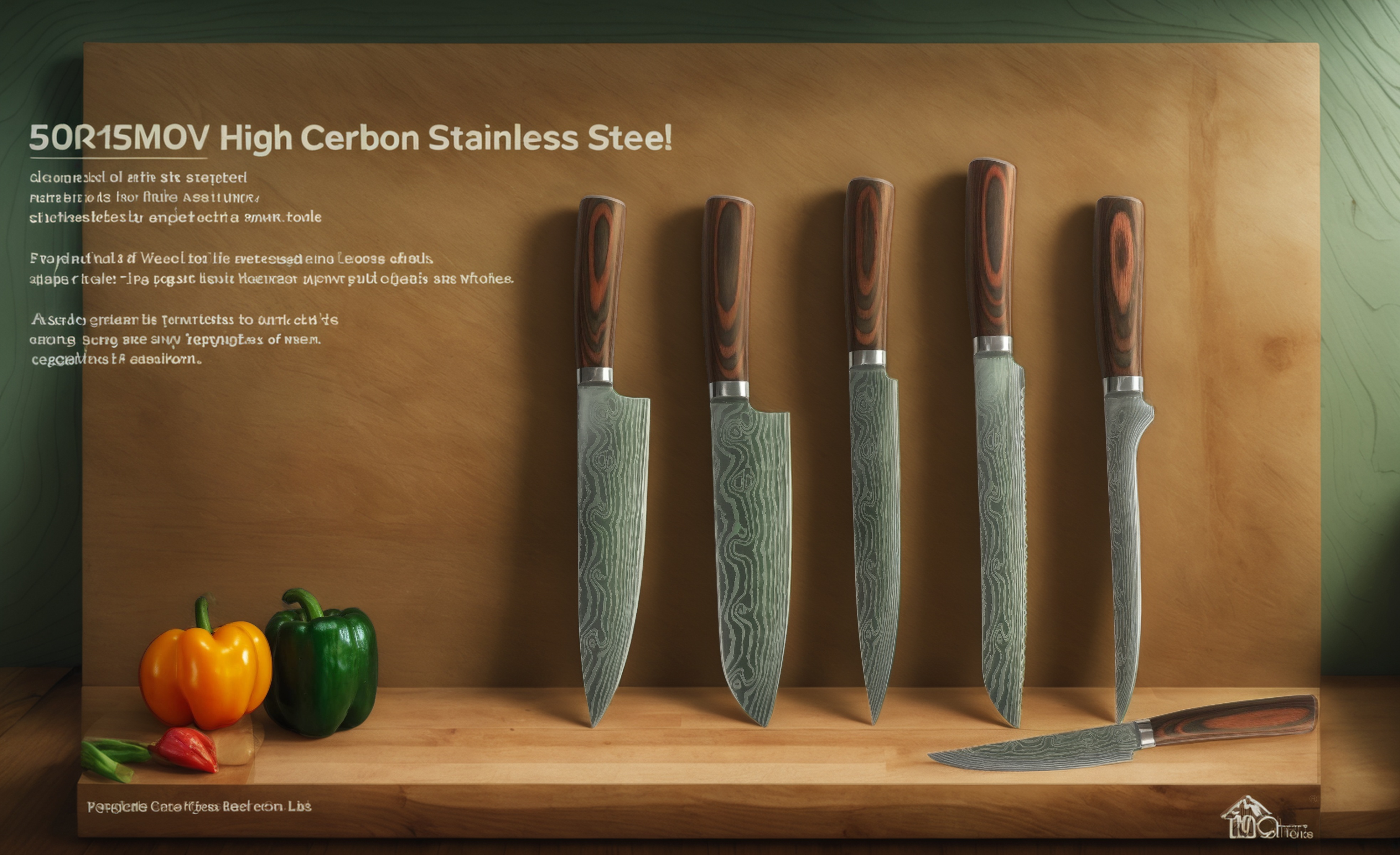
Explore the Best Kitchen Knife Factory Choices
Choosing a kitchen knife factory is not only about finding a sharp blade. For retailers, restaurant supply buyers, hospitality groups, and private-label brands, the right supplier affects product consistency, packaging, repeat orders, customer feedback, and long-term margin. A factory that can explain its materials, production steps, customization limits, and inspection process is often easier to work with than a supplier that only offers a low unit price.
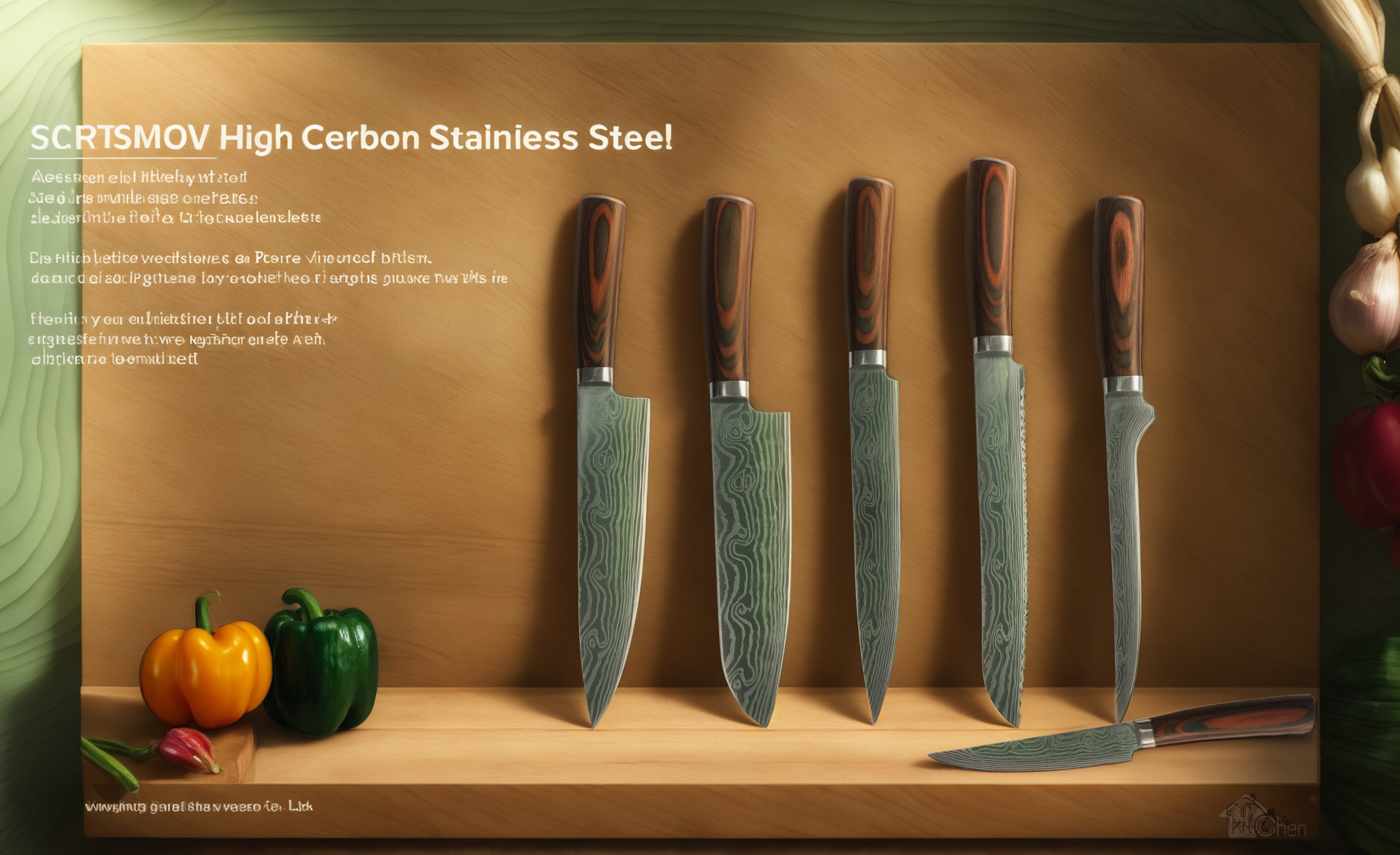
The original product information highlights examples such as 5CR15MOV high carbon stainless steel blades, Pakka wood handles, Damascus laser patterns, and a six-piece set that may include a chef knife, cleaver, bread knife, and other kitchen knives. These details are useful starting points, but buyers should still verify specifications, tolerances, packaging, and compliance requirements before committing to a purchase order.
Key Takeaways
- Evaluate a kitchen knife factory by consistency, communication, sample quality, and quality-control process, not price alone.
- Confirm blade steel, handle material, finishing, edge angle, packaging, and labeling details in writing.
- For custom kitchen knives, ask which elements can be changed and which require tooling, design approval, or additional lead time.
- Request samples and compare them against real-use requirements such as chopping, slicing, washing, storage, and retail presentation.
What Makes a Kitchen Knife Factory Worth Shortlisting?
A dependable factory should be able to describe how it manages kitchen knife manufacturing from raw material selection through blade forming, heat treatment, grinding, polishing, handle assembly, inspection, and packing. Buyers do not need to be metallurgists, but they should expect clear answers to practical questions. What steel is being used? How is hardness controlled? How is the edge finished? What happens if a shipment contains defects?
Good sourcing decisions often come from comparing several suppliers under the same conditions. Send the same product brief, image references, target market, packaging expectations, and estimated order plan to each factory. This makes quotations easier to compare and reduces confusion later. If a supplier cannot confirm a detail, treat it as an open question rather than an assumption.
Materials and Construction Details to Verify
The source article mentions 5CR15MOV high carbon stainless steel, a common option for accessible kitchen knives because it can offer a balance of corrosion resistance, sharpening ease, and everyday performance when properly processed. However, the steel name alone does not guarantee quality. Heat treatment, blade thickness, edge geometry, polishing, and final inspection all influence performance.
Handle selection also matters. Pakka wood handles, mentioned in the original article, are often chosen for their appearance and comfortable grip, but buyers should confirm finish quality, water resistance expectations, color variation, and how the handle is fixed to the tang. If the design includes Damascus laser patterns, ask whether the pattern is decorative, how it is applied, and how it should be described in product listings to avoid misleading customers.
Custom Kitchen Knives: What Buyers Can Request
Custom kitchen knives can help a brand build a more distinct product range, but customization should be managed carefully. Common options may include blade shape, handle design, logo placement, surface finish, set composition, gift box design, sleeve, insert card, and outer carton marking. Before assuming any option is available, ask the factory what is standard, what is semi-custom, and what requires new tooling.
A clear customization brief should include drawings or reference photos, target retail price range, intended sales channel, food-contact labeling needs, brand guidelines, and packaging dimensions if you already have shelf or shipping requirements. Also ask how pre-production samples are approved and whether the approved sample will be used as the benchmark for mass production.
Comparison Checklist for Factory Selection
| Selection point | What to ask the supplier | Why it matters |
|---|---|---|
| Blade material | Can you confirm the steel type and provide the full product specification? | Prevents confusion between quoted material and shipped goods. |
| Edge performance | How is sharpness checked during production and final inspection? | Sharpness consistency affects customer satisfaction and returns. |
| Handle construction | What handle material is used, and how is it attached and finished? | Grip comfort, durability, and appearance depend on construction quality. |
| Customization | Which parts can be customized without new tooling? | Helps control cost, lead time, and development risk. |
| Packaging | Can you supply retail packaging, barcodes, inserts, or private-label cartons? | Packaging affects shelf presentation and logistics readiness. |
| Quality control | What inspection steps are used before shipment? | Reduces the chance of mixed specifications or visible defects. |
How to Assess a Six-Piece Knife Set
A six-piece kitchen knife set can be a practical assortment for retail and foodservice buyers when the mix matches real kitchen tasks. The original article notes a set including a chef knife, cleaver, bread knife, and more. When reviewing a set, consider whether each knife has a clear purpose and whether the assortment makes sense for your target customer.
- Check the chef knife for balance, comfortable grip, and general chopping performance.
- Review the cleaver for intended use, because vegetable cleavers and heavy-duty cleavers require different construction.
- Inspect the bread knife serrations for clean slicing without excessive tearing.
- Confirm whether additional knives in the set duplicate functions or add genuine value.
- Evaluate the packaging as a complete set, including protection for blade tips and edges during shipping.
Sourcing Process: From Sample to Order
Start with a written request for quotation that includes product type, material preferences, handle style, set composition, packaging needs, expected order quantity, destination market, and any required documentation. If details such as minimum order quantity, lead time, certifications, or testing are important, ask the supplier directly and request written confirmation rather than relying on assumptions.
Next, order samples and test them in realistic conditions. Cut vegetables, meat, bread, and dense ingredients if they match your product use case. Wash and dry the knives according to the supplier's care instructions, then check for staining, handle movement, edge damage, or packaging problems. For private-label projects, approve artwork, logo size, color, placement, and carton markings before mass production begins.
Practical FAQ
What should I ask a kitchen knife factory before requesting a quote?
Ask about blade steel, handle material, available sizes, set options, packaging, customization methods, sample cost, production lead time, minimum order quantity, inspection process, and export documentation. Provide the same brief to each supplier so comparisons are fair.
Are custom kitchen knives suitable for small brands?
They can be, but small brands should start with limited customization such as logo, packaging, or set configuration before investing in unique molds or complex blade designs. Always confirm MOQ and development costs with the factory.
How do I avoid misleading product claims?
Use only claims the supplier can support in writing. If a knife has a Damascus laser pattern, describe it accurately and ask whether it is decorative or functional. Do not add unverified claims about certifications, steel grade, hardness, or testing.
What is the best way to compare samples?
Create a simple scorecard covering sharpness, balance, handle comfort, finish, packaging, visible defects, and supplier communication. Test all samples with the same ingredients and cleaning routine.
Should price be the main deciding factor?
Price matters, but it should be weighed against consistency, defect handling, packaging quality, communication, and repeat-order reliability. A slightly higher unit cost may be worthwhile if it reduces returns and sourcing risk.
