




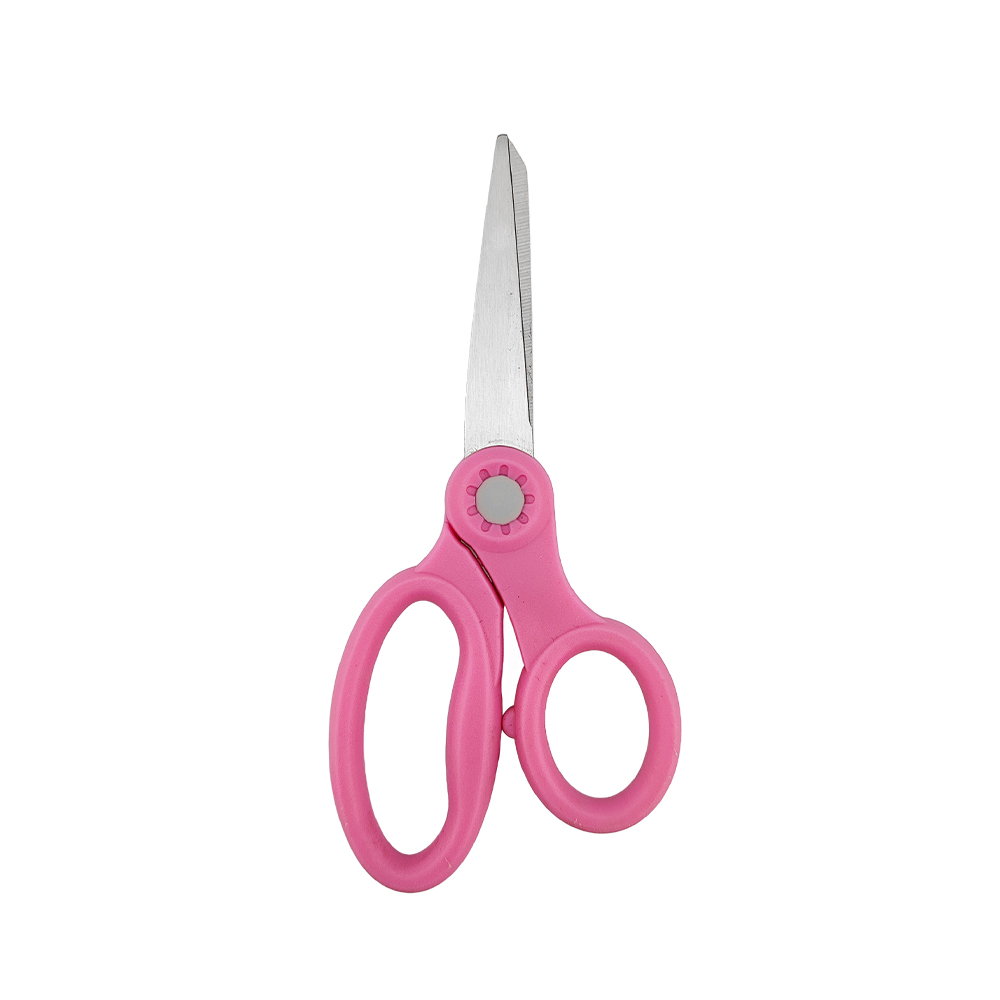
6 Inch Household Scissors: OEM Sourcing Guide
6 inch household scissors sit in a practical middle ground: small enough for a kitchen drawer, desk organizer or craft kit, yet large enough for everyday cutting jobs such as paper, packaging, labels, thread, recipes and light household materials. For importers, retailers, promotional buyers and private-label brands, this size can be a useful addition to a general houseware or stationery assortment.
The original product description highlights a compact 6 inch format, household use, an ergonomic handle concept and the possibility of custom scissors production. This rewritten guide focuses on how to evaluate those points from a sourcing perspective, without assuming details that should be confirmed directly with the supplier, such as steel grade, hardness, MOQ, certifications, packaging specifications or test reports.
Key Takeaways
- 6 inch household scissors are best positioned as compact everyday scissors for home, office, craft and light utility use.
- When sourcing from an OEM scissors factory, confirm blade material, sharpness standards, handle material, packaging and quality-control process in writing.
- Customization can include handle color, grip style, branding and retail packaging, but availability depends on the supplier’s tooling and order requirements.
- Request samples and test them against your real use cases before approving bulk production.
Where 6 Inch Household Scissors Fit in a Product Range
A 6 inch scissor is usually chosen for convenience rather than heavy-duty cutting. It is easier to store than larger shears and may be more comfortable for quick tasks. Common end users include households, students, crafters, office workers and small repair kits. For retailers, it can work as an entry-level household tool, a multi-pack component or a private-label item in a value-oriented kitchen or stationery line.
Because the size is compact, buyers should be clear about the intended cutting category. A product designed for paper and light packaging should not be marketed as suitable for thick cardboard, wire, meat bones or industrial materials unless the supplier provides relevant design information and test evidence. Accurate positioning reduces returns and customer complaints.
What to Check in the Blades
The original article refers to stainless steel blades, but commercial buyers should still ask for the exact material grade and surface treatment before placing an order. Stainless steel can vary widely in corrosion resistance, edge retention and cost. If the scissors will be sold in humid regions or used around kitchens, corrosion resistance becomes more important.
Sample testing should include repeated cuts through paper, thin plastic packaging, thread and light fabric if those are part of the expected use. Check whether the blades meet smoothly from pivot to tip, whether the edge drags, and whether the scissors cut cleanly at the very end of the blade. A compact scissor can feel precise, but only if the pivot and blade alignment are well controlled.
Handle Comfort and Ergonomic Details
The source content mentions ergonomic handles. For OEM sourcing, this should be translated into measurable review points. Does the handle opening suit the target user? Is the inner edge smooth? Does the grip create pressure after repeated cutting? Is the handle symmetrical, or designed specifically for right-handed use? These details affect customer satisfaction more than many buyers expect.
Handle material should also be confirmed. Some suppliers may offer single-material plastic handles, soft-touch inserts or color-matched options. Each option can change cost, production complexity and durability. If the scissors are intended for children, school kits or promotional use, discuss safety expectations carefully and avoid making age-suitability claims unless they are supported by appropriate documentation.
OEM, Wholesale and Custom Production Options
Working with a household scissors manufacturer can involve several levels of customization. The simplest approach is wholesale purchasing of an existing model. This usually has the shortest development time because the mold, blade shape and packaging format may already exist. OEM or private-label production can add logo placement, custom handle colors, barcode labels or retail cards. More advanced custom scissors production may involve a new handle shape, special packaging, or a blade design adjusted for a particular use case.
Before requesting a quotation, prepare a short product brief. It should include target retail channel, estimated order quantity, preferred handle colors, packaging type, branding requirements and market destination. If your company has compliance or retailer requirements, share them early and ask the supplier what documents they can provide.
Comparison Checklist for Buyer Evaluation
| Evaluation Point | What to Ask the Supplier | Why It Matters |
|---|---|---|
| Blade material | What steel grade is used, and is any surface treatment applied? | Impacts cutting feel, corrosion resistance and long-term performance. |
| Blade alignment | How is blade tension and pivot consistency checked? | Poor alignment causes snagging, rough cuts and user frustration. |
| Handle design | What handle material and color options are available? | Affects comfort, appearance, durability and branding options. |
| Customization | Can the logo, handle color or packaging be customized? | Important for private-label, promotional and retail programs. |
| Packaging | What standard packaging formats are offered? | Packaging must suit e-commerce, shelf display or bulk distribution. |
| Quality control | What inspections are performed before shipment? | Helps reduce inconsistent cutting, loose pivots and cosmetic defects. |
Sample Testing Before Bulk Orders
Samples are essential because scissors are judged by feel as much as appearance. Test several units, not just one, to see whether quality is consistent. Open and close each pair repeatedly, cut multiple materials, inspect the tips and look for handle flash or rough edges. If the product will be sold online, photograph the sample packaging and confirm that the delivered goods will match approved images and descriptions.
- Define the target use: home, office, craft, kitchen drawer or promotional kit.
- Request samples in the intended handle color and packaging if possible.
- Test sharpness, pivot smoothness, tip cutting and hand comfort.
- Confirm logo placement, barcode needs and carton labeling.
- Approve a final pre-production sample before mass production.
Packaging and Retail Presentation
For 6 inch household scissors, packaging should protect the blade tips and make the product easy to identify. Common options may include a blister card, hang card, sleeve or bulk packaging, depending on the supplier’s offering. Do not assume a packaging style is available for every model; ask for photos, dimensions and material details.
Retail copy should be specific and conservative. Terms such as “household scissors,” “compact size,” “for paper and light everyday tasks,” or “ergonomic handle design” are clearer than broad claims. If you want to state that the scissors are dishwasher safe, food safe, rustproof or suitable for children, request supporting information before using those claims.
Practical FAQ
Are 6 inch household scissors suitable for kitchen use?
They can be useful in a kitchen drawer for light tasks such as opening packaging or trimming paper labels. They should not be described as food-preparation shears unless the supplier confirms the design, materials and intended use.
Can a supplier customize the handle color or logo?
Many OEM scissors suppliers can discuss handle color, branding or packaging options, but availability depends on the model, tooling, order quantity and production schedule. Ask for artwork guidelines and sample confirmation.
What should buyers verify before ordering?
Confirm blade material, handle material, product dimensions, packaging, labeling, quality-control process, lead time, MOQ and any documents needed for your sales market.
How should samples be evaluated?
Test cutting performance on the actual materials your customers will use. Also check pivot tightness, comfort, tip alignment, cosmetic finish and packaging durability.
Are these scissors better than larger household scissors?
They are not automatically better; they serve a different purpose. A 6 inch scissor is compact and easy to store, while larger scissors may be more suitable for longer cuts or heavier materials.
Final Sourcing Advice
A well-chosen 6 inch household scissor can be a reliable everyday item for retail and private-label programs. The key is to match the product to the correct use case and verify the details that influence performance. Instead of relying only on catalog descriptions, buyers should ask precise questions, test samples and document all approved specifications before production. That process helps turn a simple household tool into a consistent, low-risk sourcing project.
