




Exploring Classic Household Scissors from Yangjiang
Classic household scissors remain a steady category for importers, distributors, private-label brands, supermarkets, stationery channels, and homeware retailers. They are simple tools, but sourcing them well still requires attention to blade material, handle comfort, pivot performance, packaging, and supplier communication. Yangjiang is widely associated with cutlery and cutting-tool production, so buyers often look there when comparing OEM scissors and general household scissors suppliers.

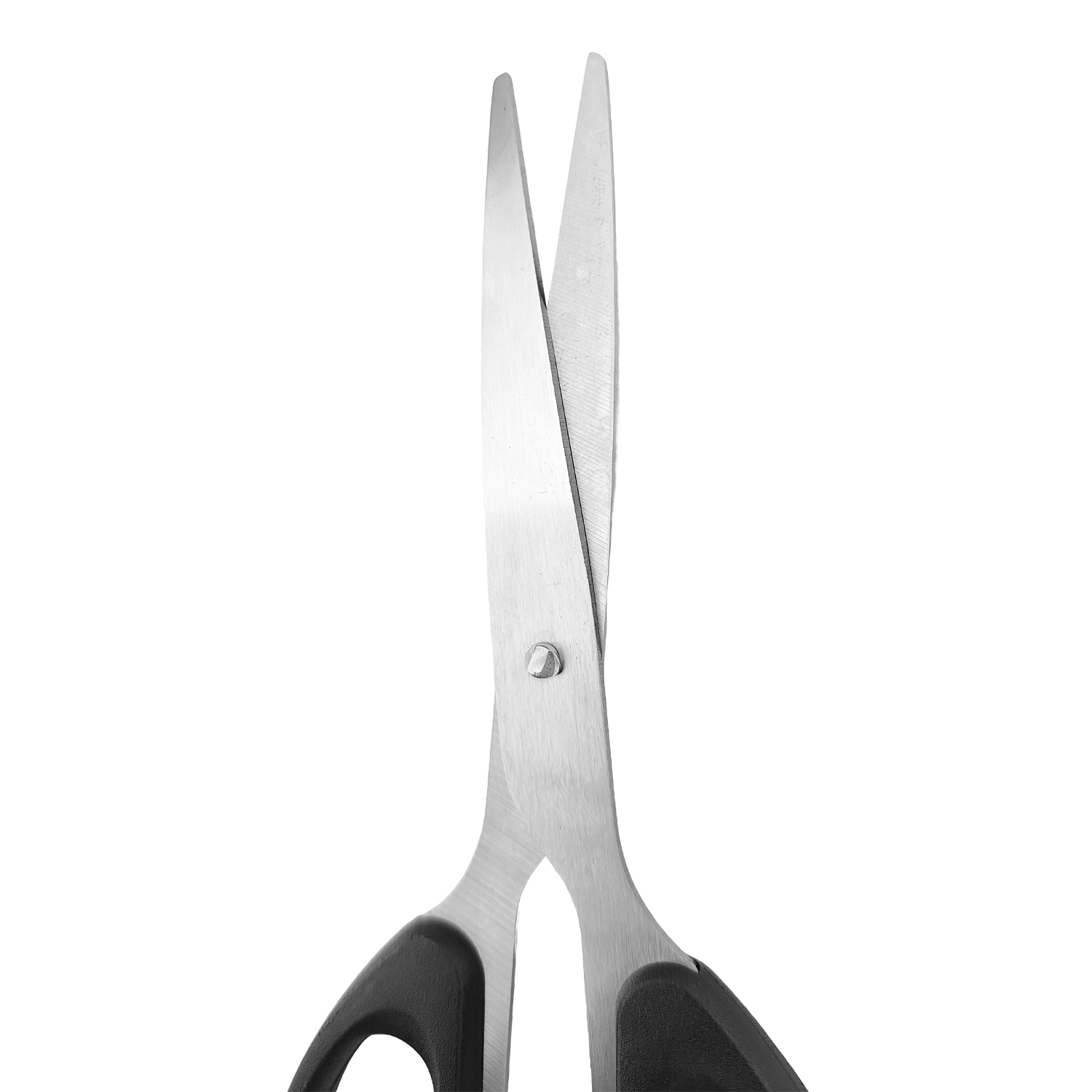
The original product information highlights a classic household scissor design with stainless steel blades, rust-resistant performance, a smooth pivot point, and comfortable black grips. Those are useful starting points, but B2B buyers should still verify details directly with the supplier before placing an order. The practical question is not only whether the scissors cut well in a sample test, but whether the supplier can deliver consistent quality across a production batch.
Key Takeaways
- Classic household scissors are everyday tools, but sourcing quality depends on details such as blade finish, pivot smoothness, handle comfort, and packaging durability.
- Yangjiang is a common sourcing location for scissors, yet buyers should evaluate each factory or trading partner on evidence, samples, communication, and quality controls.
- Do not rely only on product photos; request samples and test cutting performance on paper, light fabric, packaging film, and other materials relevant to your market.
- For OEM or private-label projects, confirm artwork, logo placement, carton marking, packaging files, lead time, inspection process, and any applicable compliance documents before confirming production.
What Makes Household Scissors “Classic”?
A classic household scissor usually means a practical, general-purpose design rather than a specialized tool for tailoring, poultry, pruning, or industrial cutting. The product is intended for routine jobs such as opening packages, cutting paper, trimming labels, light craft work, and occasional kitchen or office use. For retail buyers, this broad use case is both an advantage and a challenge: the scissors must feel reliable to many different users.
The source material notes stainless steel blades and black comfortable grips. Stainless steel is often valued because it can support everyday durability and resist rust better than many non-stainless options, although buyers should ask the supplier to clarify the exact steel type if that information is commercially important. Handle design also matters. A comfortable grip can reduce hand fatigue during repeated cutting, but comfort is subjective, so samples should be tested by several users with different hand sizes.
How to Evaluate Blade, Pivot, and Handle Quality
When reviewing household scissors, begin with the blade edge. A sample should cut cleanly from the base of the blade to the tip, without tearing paper or pushing material forward. The two blades should meet evenly, and there should be no obvious burrs, stains, chips, or rough finishing. The source article mentions sharp, durable blades and a smooth pivot point, so these should be confirmed during sample testing rather than assumed from photos.
The pivot is especially important because it controls cutting feel. If it is too loose, the blades may separate and fail to cut thin material cleanly. If it is too tight, the scissors can feel stiff and tiring. Ask the supplier whether the pivot tension can be adjusted during production and how the factory checks it before packing. For handles, check for sharp plastic edges, uneven molding, weak bonding, odor, color consistency, and comfort during repeated opening and closing.
Comparison Checklist for B2B Buyers
| Item to Check | Why It Matters | Questions to Ask the Supplier |
|---|---|---|
| Blade material | Affects cutting feel, corrosion resistance, and positioning | What stainless steel specification is used, and can it be confirmed in writing? |
| Blade finish | Influences appearance and perceived quality | How are burrs, stains, scratches, and edge defects inspected? |
| Pivot smoothness | Determines ease of use and cutting consistency | Is pivot tension checked before packing, and what is the acceptance standard? |
| Handle comfort | Impacts user satisfaction during repeated use | Can handle color, grip style, or logo position be customized for OEM orders? |
| Packaging | Protects the product and supports retail display | What packaging options are available, and can dielines or samples be provided? |
| Batch consistency | Reduces returns and complaints | What in-process and final inspection steps are used before shipment? |
OEM and Private-Label Sourcing Questions
If you are sourcing OEM scissors, move beyond general product descriptions and prepare a written specification sheet. Include target length, blade finish, handle color, packaging type, barcode requirements, carton marks, label language, and any market-specific instructions. If those details are not yet decided, ask the supplier what standard options are available and which items require extra tooling, artwork approval, or longer lead time.
Buyers should also ask commercial questions without assuming answers. What is the minimum order quantity? What is the sample cost and sample lead time? Can the supplier provide pre-production samples before mass production? What is the payment process? Which inspection standard will be used? Are third-party inspections accepted? These questions help prevent misunderstandings, especially when a simple product is being ordered in multiple colors, sets, or packaging formats.
Why Yangjiang Is Relevant for Scissors Sourcing
Yangjiang is often recognized by buyers as a manufacturing hub for knives, scissors, and related houseware products. That reputation can make supplier research more efficient, but it should not replace due diligence. A buyer still needs to know whether the contact is a factory, a trading company, or a combination of both. Each can be suitable, depending on your order size, product range, communication needs, and customization requirements.
When comparing Yangjiang scissors suppliers, request product photos, live sample videos if useful, company information, and a clear quotation that separates product cost, packaging cost, customization cost, and freight terms where applicable. If the order is important or repeated, consider a sample approval process followed by production inspection. A dependable supplier should be able to answer practical questions clearly, even when some details require confirmation with the production team.
Sample Testing Before Bulk Orders
Sample testing does not need to be complicated, but it should be consistent. Test every sample in the same way and record results. Open and close the scissors repeatedly to check smoothness. Cut printer paper, cardboard from common packaging, light fabric, plastic film, and thread if those uses match your customer base. Check whether the tip cuts cleanly and whether the handles remain comfortable after repeated use.
- Inspect appearance under good lighting for scratches, stains, uneven handles, and rough edges.
- Check blade alignment by slowly closing the scissors and watching whether the blades meet evenly.
- Cut multiple materials and note any tearing, slipping, stiffness, or uneven cutting.
- Review packaging strength, barcode placement, warning labels, and retail presentation.
- Keep one approved sample as the reference standard for production comparison.
FAQ: Classic Household Scissors Sourcing
Are stainless steel household scissors always rust-proof?
No. Stainless steel is generally chosen for better corrosion resistance, but performance depends on the steel type, finishing, use conditions, and care. Ask the supplier for the exact material information if corrosion resistance is a key selling point in your market.
What should I confirm before ordering OEM scissors?
Confirm the product specification, logo method, packaging artwork, carton details, sample approval process, lead time, inspection requirements, payment terms, and whether any market-specific compliance documents are needed.
How can I compare two scissors suppliers fairly?
Use the same sample tests, request quotations based on the same specification, and compare communication quality, packaging options, quality control process, and willingness to provide clear written answers.
Should household scissors be tested only on paper?
No. Paper is useful, but buyers should also test materials that match real customer use, such as light cardboard, packaging film, thread, labels, or light fabric. This gives a better view of everyday performance.
Final Sourcing Advice
Classic household scissors are easy to understand but not always easy to source consistently. The best results come from clear specifications, realistic sample testing, and direct questions about production and inspection. For buyers interested in Yangjiang scissors or OEM household scissors, the goal should be to confirm not just the appearance of the product, but the repeatability of its cutting performance, handle comfort, packaging quality, and supplier service. With a structured review process, this everyday tool can become a dependable item in a homeware, stationery, or general merchandise range.
