




Corn Steamer Manufacturing: How to Choose the Right Supplier
Corn steamers are used by foodservice operators, snack vendors, catering businesses, retail brands, and distributors that need consistent corn preparation at scale. For buyers sourcing from a factory, OEM partner, or wholesale supplier, the decision should not be based only on catalog photos or unit price. A dependable corn steamer has to match the buyer’s use case, cleaning routine, packaging requirements, and after-sales expectations.
This guide explains how corn steamer manufacturing is typically evaluated from a sourcing perspective. It also highlights the questions buyers should ask before placing an order, especially when commercial details such as material grade, minimum order quantity, warranty terms, testing reports, or customization options are not clearly stated by the supplier.
Key Takeaways
- Define the application first: street vending, restaurant use, catering, retail resale, or private label distribution.
- Ask suppliers to confirm material, construction, heating method, safety features, packaging, and maintenance requirements in writing.
- Do not assume certifications, capacity, or compliance claims unless the supplier provides current documents.
- Compare total sourcing risk, not only the quoted unit price.
- Request samples or pre-production confirmation when buying for OEM, wholesale, or branded resale.
Understanding Corn Steamer Manufacturing
Corn steamer manufacturing combines food-contact design, heat management, water resistance, and assembly control. The finished product may be intended for direct cooking, holding cooked corn warm, or supporting a larger corn processing or serving setup. Some buyers need compact units for small service points, while others look for equipment suitable for repeated commercial use.
Because designs vary widely, a buyer should not rely on a generic description such as “high quality” or “durable.” Instead, request clear details: what parts contact food, how the unit is heated, how steam is generated, how water is drained, and which components are replaceable. If the supplier offers different models, ask for a comparison sheet that shows size, intended use, control type, packaging dimensions, and recommended maintenance.
Typical Production and Quality Control Points
A corn steamer supplier may handle design, material sourcing, forming, welding or fastening, assembly, inspection, packaging, and export documentation. The exact process depends on the product type and factory setup. Buyers should ask how each critical step is controlled rather than assuming every supplier follows the same procedure.
Important production questions include:
- What material is used for food-contact areas, and can the supplier provide documentation?
- How are seams, handles, lids, trays, or baskets inspected for fit and finish?
- Are heating or electrical components tested before packing, if the model uses electricity?
- What checks are performed for leakage, stability, sharp edges, and packaging protection?
- Can the supplier provide inspection photos, sample approval records, or third-party inspection support?
For wholesale and OEM sourcing, documentation matters. A clear quality checklist reduces disputes and helps both sides confirm expectations before mass production.
How to Evaluate a Corn Steamer Supplier
A reliable corn steamer supplier should be able to explain the product, not simply quote a price. Buyers should look for practical communication, consistent documentation, and the ability to answer technical and commercial questions. If the supplier cannot confirm essential details, it may be difficult to manage quality after production begins.
| Evaluation Area | What to Ask | Why It Matters |
|---|---|---|
| Product fit | Which model is recommended for my use case? | Prevents buying equipment that is too small, too complex, or unsuitable. |
| Material details | What materials contact food, water, or steam? | Supports cleaning, durability, and buyer compliance review. |
| Customization | Can logo, packaging, accessories, or design details be adjusted? | Important for OEM, private label, and retail distribution. |
| Quality checks | What inspections are completed before shipment? | Helps reduce returns, defects, and inconsistent batches. |
| After-sales support | Are spare parts, manuals, or troubleshooting guidance available? | Supports long-term use and customer service planning. |
OEM, Wholesale, and Private Label Considerations
OEM and wholesale buyers usually need more than a finished steamer. They may need retail packaging, instruction manuals, barcodes, branded labels, carton marks, spare parts lists, and consistent production records. Before committing to a supplier, confirm which services are available and which require additional cost or lead time.
Buyers should also ask about sample policy, minimum order quantity, production lead time, payment terms, and shipment options. These details should be confirmed directly with the supplier because they vary by model, order size, season, and customization level. Avoid relying on assumptions from a previous order or from another product category.
If the product will be sold in a regulated market, buyers should request the relevant compliance documents and review them with qualified professionals. Do not assume that a corn steamer meets a market requirement unless current documentation is provided for the exact model being purchased.
Product Selection: Matching the Steamer to the Use Case
Different buyers need different corn cooking solutions. A snack kiosk may value compact size and quick cleaning. A caterer may need steady output during events. A distributor may prioritize packaging strength, consistent labeling, and low damage rates in transit. A retail brand may need appearance, instructions, and accessory compatibility.
When comparing models, consider:
- Expected daily or peak-hour serving volume
- Available power source or heat source, if applicable
- Water filling, draining, and cleaning routine
- Operator training and safety instructions
- Storage space and transport requirements
- Compatibility with corn holders, serving trays, seasoning tools, or other accessories
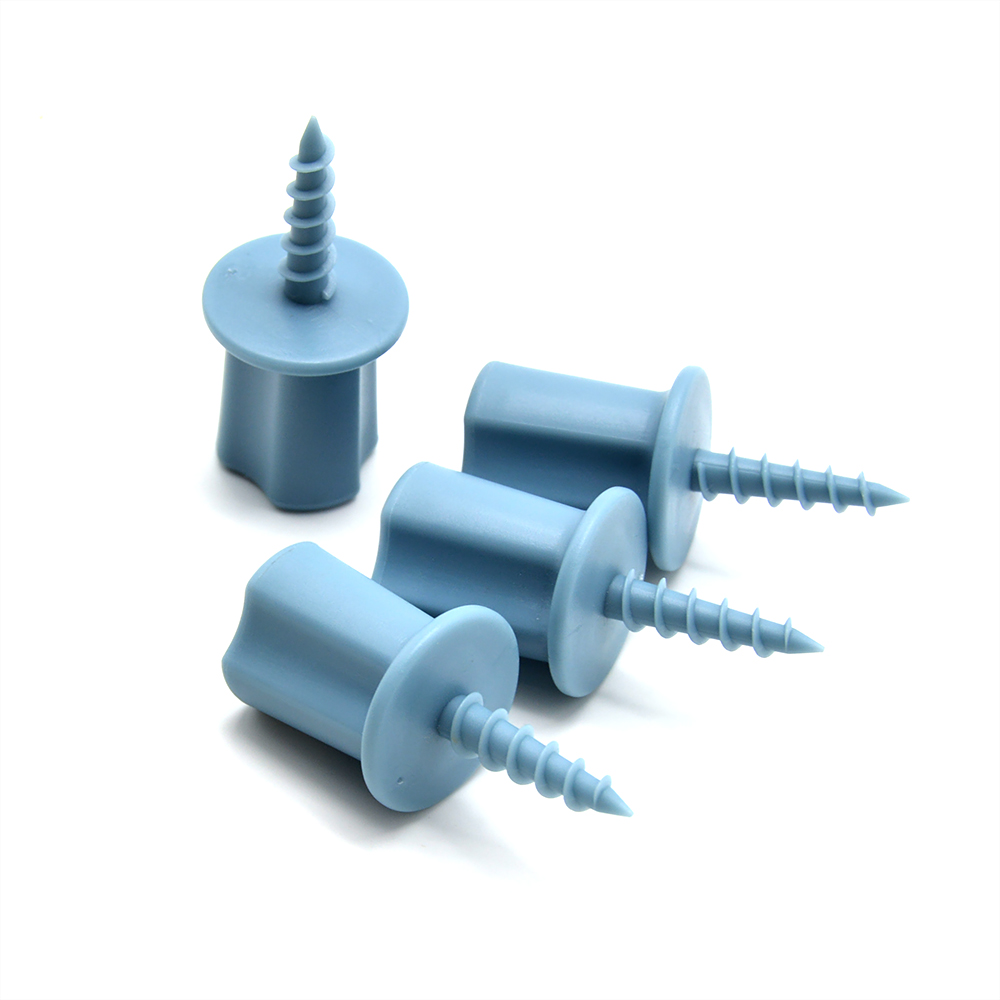
The original article mentioned supporting accessories such as corn holder sets and seasoning tools. If accessories are part of the sourcing plan, ask whether they are sold separately, packed with the steamer, or available for private label packaging. Confirm the design, materials, and carton configuration before approving a bundled offer.
Cost, Durability, and Total Sourcing Risk
The lowest price can become expensive if the product is difficult to clean, poorly packed, unclear to operate, or unsupported after delivery. Instead of comparing only unit cost, evaluate total sourcing risk. This includes defect handling, replacement parts, documentation, packaging performance, and the supplier’s responsiveness.
A practical approach is to request a quotation that separates the base product, customization, packaging, accessories, sample cost, and freight-related information. Buyers should also define acceptable quality limits, inspection method, and approval samples. These steps are especially useful when sourcing for resale, where consistency affects brand reputation.
Practical FAQ
What should I ask a corn steamer factory before ordering?
Ask about material details, model options, heating method, cleaning instructions, packaging, inspection process, sample availability, MOQ, lead time, spare parts, and after-sales support.
Can a corn steamer be customized for OEM or private label?
Many suppliers may offer some level of customization, but the scope varies. Confirm logo placement, packaging design, manual language, accessories, carton marks, and any tooling requirements before production.
How can I verify product quality before shipment?
Request samples, approval photos, inspection checklists, and packing details. For larger orders, consider pre-shipment inspection by your own team or an independent inspection provider.
Should I choose a factory or a trading supplier?
Both can be suitable. A factory may offer direct production control, while a trading supplier may provide broader sourcing and coordination. Compare communication, documentation, quality control, and service rather than judging by supplier type alone.
What information should be included in the purchase agreement?
Include model name, specifications confirmed by the supplier, packaging, quantity, inspection standard, delivery terms, payment terms, warranty or service terms, and approved sample references.
Final Sourcing Advice
Corn steamer manufacturing is not only about producing a cooking device; it is about matching a product to a real operating environment. Buyers who define their application, verify supplier claims, and document requirements are more likely to receive equipment that performs consistently. Before placing a wholesale or OEM order, turn every uncertain claim into a written question and every important requirement into an agreed specification.
