




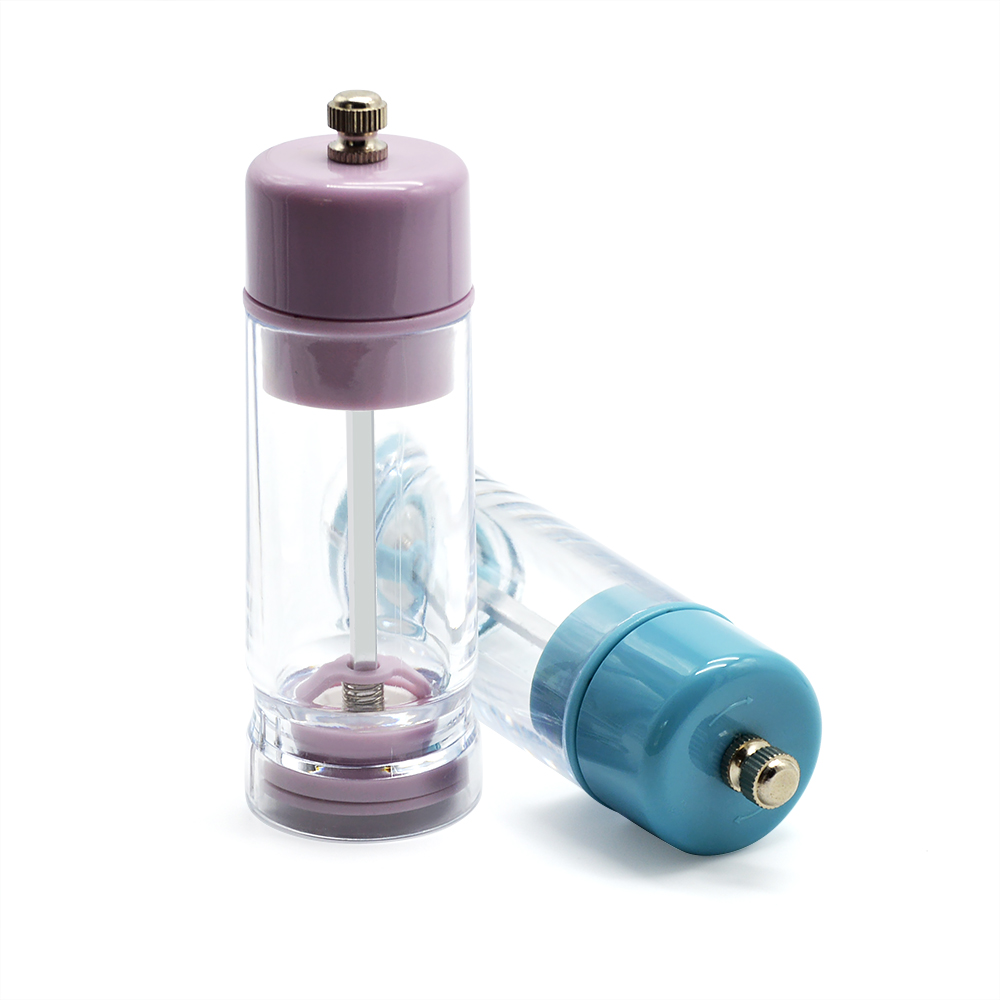
Exploring Custom Pepper Grinders: Wholesale to Manufacturing
Custom pepper grinders are useful across restaurants, catering services, hospitality programs, retail kitchenware lines, and branded promotional projects. For buyers, the key question is not only whether a grinder looks good, but whether it can deliver consistent seasoning, be produced reliably, and fit the intended sales channel or operating environment.
The original appeal of a pepper grinder is simple: freshly ground pepper gives cooks more control over texture and aroma than pre-ground seasoning. Adjustable mechanisms can support different grind sizes, from fine pepper for sauces to coarser flakes for salads or finishing dishes. When the purchase involves wholesale or OEM supply, however, buyers should also evaluate materials, mechanism type, packaging, customization options, quality control, and after-sales support.
Key Takeaways
- Custom pepper grinders should be evaluated by use case: restaurant service, retail sale, catering, gift set, or private label program.
- Ask suppliers specific questions about grind adjustment, mechanism material, packaging, inspection, and customization limits.
- Wholesale buying can reduce unit handling costs, but samples and clear specifications are essential before bulk orders.
- Do not rely only on appearance; test comfort, rotation smoothness, refill access, and grind consistency.
What Makes a Pepper Grinder “Custom”?
A custom pepper grinder can involve changes to appearance, structure, packaging, or brand presentation. Common customization areas include color, body shape, logo placement, gift-box design, grinder height, paired salt and pepper mill sets, and transparent sections that allow users to monitor seasoning levels. Some buyers may also request a specific grinding mechanism, but the supplier should confirm what is available for the selected model.
For B2B sourcing, it is important to separate design customization from technical customization. A printed logo or packaging sleeve is usually simpler than changing the internal grinding structure. If you need a different mechanism, body material, lid design, or refill system, ask whether the supplier supports OEM development or only standard wholesale models with branding.
Wholesale Pepper Grinders: When Bulk Buying Makes Sense
Wholesale pepper grinders are practical for businesses that need consistent products in quantity. Restaurants may require matching grinders for table service. Catering companies may need durable tools for repeated events. Retailers may want coordinated salt and pepper mill sets for kitchenware displays. Promotional buyers may use grinders as branded gifts for food-related campaigns.
Bulk purchasing can be efficient, but it should not replace product testing. Before confirming an order, buyers should request samples and check whether the grinder suits the target user. For example, a restaurant may prioritize fast refilling and easy cleaning, while a retail brand may care more about packaging presentation and shelf appeal. A transparent body can be useful for monitoring pepper levels, especially in service environments where unexpected shortages are inconvenient.
Manufacturing Factors Buyers Should Understand
Pepper mill manufacturing involves more than assembling a container and a handle. The grinding mechanism, alignment, adjustment system, and body construction all affect user experience. The source article mentions ceramic mechanisms, which are commonly valued because they can provide steady grinding performance. However, buyers should ask each supplier to confirm the exact mechanism material and whether it is suitable for pepper, salt, or both.
Other manufacturing details to discuss include the smoothness of rotation, ease of filling, consistency across fine and coarse settings, and how the grinder is inspected before shipment. If the product is intended for food-contact use, buyers should ask suppliers what documentation is available for the target market. Do not assume certifications, testing results, or compliance claims unless the supplier provides verifiable documents.
Comparison Checklist for Sourcing Custom Pepper Grinders
| Checklist Item | Why It Matters | Questions to Ask the Supplier |
|---|---|---|
| Grind adjustment | Users may need fine, medium, or coarse pepper for different recipes. | How is the grind size adjusted, and can samples be tested at each setting? |
| Grinding mechanism | The mechanism affects consistency, durability, and suitable seasoning type. | What material is used for the mechanism, and is it intended for pepper, salt, or both? |
| Body design | Shape, grip, refill access, and transparency affect daily use. | Is the body transparent, opaque, or partially transparent? How is it refilled? |
| Customization | Branding needs vary between retail, hospitality, and promotional buyers. | What logo, color, packaging, and structural customization options are available? |
| Packaging | Packaging must match retail shelves, e-commerce shipping, or foodservice storage. | Can the supplier provide plain bulk packing, gift boxes, or private label packaging? |
| Quality control | Bulk orders require consistency across cartons, not just one good sample. | What inspections are performed before shipment, and can inspection criteria be agreed in writing? |
How to Choose the Right Model for Your Channel
Start with the end user. A professional kitchen may prefer a grinder that is quick to refill and comfortable for repeated use. A restaurant table-service model should look consistent across multiple tables and grind smoothly without staff intervention. A retail product may need attractive packaging, clear instructions, and a design that shoppers can understand quickly. A gift set may require coordinated salt and pepper mills, protective packaging, and a clean branding area.
It is also worth testing how the grinder performs with actual peppercorns. Check whether the grinder produces an even texture, whether it jams, and whether the adjustment remains stable during use. If a supplier offers a sample, test it in the same conditions expected after purchase. For example, catering buyers should try transport, setup, and cleanup, not only kitchen-counter use.
OEM and Supplier Questions Before Ordering
When sourcing from a pepper mill manufacturer or wholesale supplier, clear communication prevents costly misunderstandings. Prepare a written specification sheet and ask direct questions before approving production.
- What standard models are available for wholesale purchase?
- Which parts can be customized: color, logo, body, packaging, or mechanism?
- What are the minimum order requirements for standard and customized versions?
- What sample options are available, and how long does sampling usually take?
- Can the supplier confirm the mechanism material and recommended seasoning type?
- What packaging formats are available for retail, e-commerce, or bulk foodservice use?
- What inspection steps are used to check rotation, grinding, appearance, and packing?
- What documents can be provided for the buyer’s target market, if required?
Buyers should avoid vague purchase descriptions such as “high quality pepper grinder” or “premium mill.” Instead, define the measurable requirements: size, color, logo position, packaging style, mechanism type if known, intended seasoning, and acceptable sample standard.
Practical Use and Care Considerations
Even well-made pepper grinders perform best when used correctly. Users should fill them with suitable peppercorns, avoid overfilling, and keep the grinding area dry unless the supplier states otherwise. If the grinder is part of a salt and pepper mill set, confirm whether each mill is designed for its intended seasoning. Salt and pepper can place different demands on the mechanism, so the supplier’s guidance matters.
For hospitality and foodservice environments, create a simple maintenance routine. Staff should check seasoning levels, wipe exterior surfaces, confirm grind setting, and remove damaged units from service. If the grinder has a transparent body, level checks are easier. For retail sellers, include clear consumer instructions to reduce misuse and returns.
FAQ
Are custom pepper grinders only for restaurants?
No. They are used by restaurants, catering services, retailers, hospitality operators, gift suppliers, and brands that need private label kitchenware.
What should I test in a sample pepper grinder?
Test grind consistency, adjustment range, comfort, refill method, rotation smoothness, packaging, and whether the appearance matches your approved design.
Can one grinder be used for both salt and pepper?
Sometimes, but do not assume this. Ask the supplier to confirm the intended seasoning type and mechanism material for each model.
What is the main risk in wholesale pepper grinder sourcing?
The main risk is approving a product based on appearance without checking function, packaging, inspection standards, and customization details in writing.
How can buyers compare pepper mill manufacturers?
Compare sample quality, communication clarity, customization capability, inspection process, packaging options, documentation support, and willingness to confirm specifications before production.
Custom pepper grinders can be a practical product category for both foodservice and retail buyers when sourced carefully. The best results come from matching the grinder to its real use case, testing samples, and asking suppliers precise manufacturing and quality-control questions before committing to a wholesale or OEM order.
